 XHLUX
XHLUX

Lighting plays a central role in shaping the atmosphere, functionality, and energy efficiency of modern spaces. Whether it’s a hotel lobby, an office conference room, a restaurant, or a retail showroom, the right lighting fixture can enhance both aesthetics and performance.
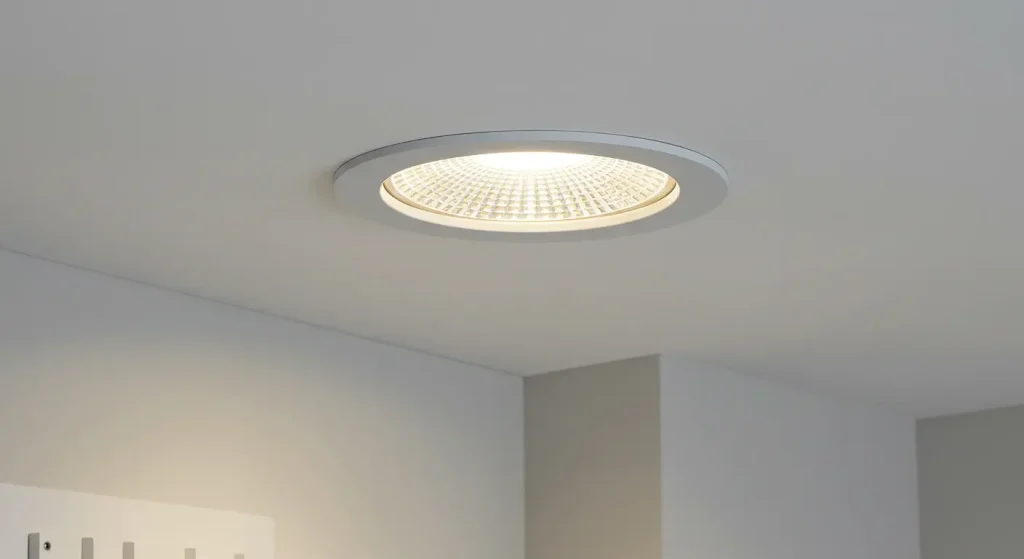
For years, the Traditional Downlight—often halogen-based or basic LED—was the standard. But as technology advanced, the Faretto LED ultrasottile da incasso entered the market and quickly gained attention from architects, designers, and property owners.
So, what’s the real difference between the two? This article compares Ultra Slim LED Downlights with Traditional Downlights across five critical dimensions: design, energy efficiency, lifespan, installation, and cost. By the end, you’ll know exactly why the ultra slim option is increasingly the preferred solution.
2. What is an Ultra Slim LED Downlight?
The Faretto LED ultrasottile da incasso is a modern evolution of recessed lighting. Unlike bulky fixtures, it uses an ultra-thin housing—sometimes as slim as 20mm—that allows installation in ceilings with limited space.
Caratteristiche principali:
- Ultra slim design: Saves ceiling depth, ideal for low-clearance areas.
- LED technology: High efficiency, long lifespan, and low heat emission.
- Space-saving installation: Can be mounted in areas where traditional downlights don’t fit.
- Modern aesthetics: Minimalist design blends seamlessly with contemporary interiors.
Common Applications:
- Hotels and hospitality lobbies.
- Modern office ceilings.
- Restaurants and cafés seeking ambiance.
- Retail showrooms and boutiques.
3. What is a Traditional Downlight?
Traditional Downlights typically refer to older halogen fixtures or early-generation LED can lights. These units have a larger housing, require deeper ceiling cavities, and often produce more heat.
Caratteristiche principali:
- Bulky recessed housing.
- Lower energy efficiency (especially halogen types).
- Shorter lifespan compared to modern LEDs.
- Standard design with fewer style options.
Common Applications:
- Residential homes built in the 1990s–2010s.
- Older office or retail environments.
- Budget projects where initial cost is the primary concern.
4. Ultra Slim LED Downlight vs Traditional Downlight: Five Key Differences
4.1 Appearance and Design
- Faretto LED ultrasottile da incasso: Sleek, modern, flush with the ceiling, and suitable for minimalistic spaces.
- Traditional Downlight: Bulkier, often protrudes or requires deep ceiling clearance.
4.2 Energy Efficiency and Power Consumption
- Faretto LED ultrasottile da incasso: Consumes up to 80% less energy compared to halogen downlights. A 12W LED can replace a 60W halogen bulb while delivering equal or greater brightness.
- Traditional Downlight: High power consumption, significant heat output, and higher monthly utility bills.
📊 Data Chart: Energy Comparison
| Fixture Type | Wattage (Avg) | Lumen Output | Energy Savings |
|---|---|---|---|
| Halogen Traditional Downlight | 60W | ~800 lm | — |
| CFL Downlight | 20W | ~900 lm | ~50% |
| Faretto LED ultrasottile da incasso | 12W | 1000+ lm | ~80% |
4.3 Lifespan and Maintenance
- Faretto LED ultrasottile da incasso: 30,000–50,000 hours of use (equivalent to 8–10 years in commercial settings). Minimal maintenance required.
- Traditional Downlight: Halogen lasts 1,000–2,000 hours; CFLs ~8,000 hours. Frequent replacement increases maintenance effort and cost.
4.4 Installation and Flexibility
- Faretto LED ultrasottile da incasso: Perfect for low ceiling clearance (as little as 25–30mm). Easy to install with spring clips, making it ideal for renovation projects.
- Traditional Downlight: Requires deeper ceiling cavities, often limiting installation options.
4.5 Overall Cost (Initial vs Long-Term)
- Faretto LED ultrasottile da incasso: Slightly higher upfront price, but long-term savings through lower electricity bills and reduced replacements.
- Traditional Downlight: Lower initial cost, but higher lifetime expenses due to energy waste and frequent maintenance.
📊 Cost Analysis Example (10 Fixtures, 5 Years)
| Lighting Type | Initial Cost | Energy Cost | Maintenance | Total Cost |
|---|---|---|---|---|
| Halogen Downlights (60W each) | $200 | $1,200 | $400 | $1,800 |
| CFL Downlights (20W each) | $250 | $500 | $200 | $950 |
| Ultra Slim LED Downlights | $400 | $200 | $50 | $650 |
5. Application Scenarios
- Hotels: Ultra slim LED downlights create a clean ceiling look while reducing energy bills.
- Offices: Provide bright, even lighting that improves focus and reduces maintenance downtime.
- Restaurants: Deliver both functionality and mood lighting to elevate customer experience.
- Retail Stores: Perfect for highlighting products while maintaining a minimalist interior design.
6. Buying Guide: How to Choose the Right Downlight
- Budget vs Lifetime Value: Consider long-term savings, not just upfront costs.
- Ceiling Space: Low ceilings → Ultra Slim LED Downlight is the clear choice.
- Lighting Goals: Choose warm white (3000K) for ambiance, neutral white (4000K) for offices, daylight (5000K) for retail.
- Supplier Reliability: Select vendors offering certified products (CE, RoHS, UL) and OEM/ODM support.
👉 Pro Tip: For large-scale commercial projects, always opt for wholesale LED lighting suppliers to reduce costs.
7. Conclusion
When comparing Ultra Slim LED Downlights vs Traditional Downlights, the winner is clear. Ultra slim LEDs provide:
- Modern aesthetics.
- Up to 80% energy savings.
- Long lifespan with minimal maintenance.
- Flexible installation for any ceiling type.
- Lower lifetime costs despite higher initial investment.
💡 Looking to upgrade your space?
- Contact us today to buy Ultra Slim LED Downlights at wholesale prices.
- Request our product catalog or get a free lighting design consultation for your project.
8. Frequently Asked Questions (FAQ)
Q1: Are Ultra Slim LED Downlights compatible with all ceilings?
Yes, their slim design makes them ideal for both shallow and standard ceiling cavities.
Q2: How much energy can I save by switching from halogen to LED downlights?
On average, you can save up to 80% on energy costs while maintaining equal brightness.
Q3: Do Ultra Slim LED Downlights support dimming?
Yes, many models support dimmable drivers and smart control systems.
Q4: How long do they last compared to traditional lights?
Ultra slim LEDs last 5–10 times longer than halogen downlights.
Q5: Can I use them in commercial projects like hotels or retail?
Absolutely—they are widely adopted in hospitality, retail, and office projects for their efficiency and design.