 XHLUX
XHLUX

Lighting design is one of the most influential factors in shaping the mood, functionality, and overall appeal of a space. With evolving architectural trends, both magnetic track lights for ceilings E recessed lighting systems have emerged as leading options for designers, contractors, and property owners.
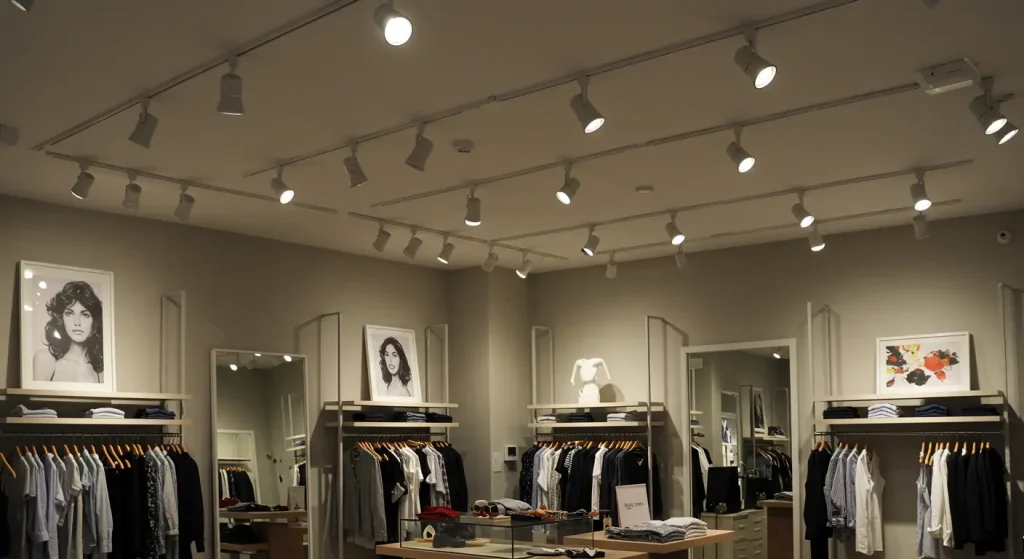
However, many buyers struggle to decide between these two systems. Should they go with the flexibility and modularity of magnetic track lights or the seamless elegance of recessed lighting? Each has unique benefits and limitations.
This comprehensive guide will compare the two systems in detail—covering definitions, features, pros and cons, applications, and procurement insights—helping you choose the right lighting solution for your project.
What Are Magnetic Track Lights for Ceiling?
Definition and Key Features
Magnetic track lights for ceilings are modular lighting systems where light fixtures are attached magnetically to ceiling-mounted tracks. These tracks can be surface-mounted, suspended, or semi-recessed, offering great flexibility.
Core Characteristics:
- Magnetic module installation and repositioning
- Slim, modern design for contemporary interiors
- Low-voltage power supply (24V/48V) for safety
- Compatibility with multiple light modules: spotlights, floodlights, linear bars, pendants
Applications
- Commercial Spaces: Retail stores, showrooms, exhibitions
- Offices: Open-plan areas, conference rooms, co-working spaces
- Residential Projects: Living rooms, kitchens, modern apartments
- Ospitalità: Cafés, restaurants, and hotel lobbies
Installation Options
- Surface-Mounted: Directly fixed onto ceilings
- Suspended: Hanging wires or rods for a floating effect
- Semi-Recessed: Partially hidden for a cleaner appearance
What Are Recessed Lighting Systems?
Definition and Key Features
Recessed lighting systems are fixtures fully integrated into the ceiling, with only the trim visible. They are also known as downlights, spotlights, or recessed magnetic tracks depending on design.
Core Characteristics:
- Seamless ceiling appearance with no visible tracks
- Fixed position lighting with less flexibility
- Requires ceiling cavities or false ceilings for installation
Common Types
- Recessed Downlights: Focused illumination for task or accent lighting
- Recessed Spotlights: Adjustable heads for directional lighting
- Recessed Magnetic Tracks: Hybrid systems combining seamless aesthetics with modularity
Applications
- High-end hotels and residences
- Office meeting rooms and corporate lobbies
- Minimalist architectural designs requiring clean ceiling lines
Ceiling Requirements
- Adequate ceiling depth for housing fixtures
- Suitable for new constructions or renovations with dropped ceilings
Magnetic Track Lights vs Recessed Lighting Systems
| Comparison Dimension | Magnetic Track Lights for Ceiling | Recessed Lighting Systems |
|---|---|---|
| Installation | Surface/suspended, ideal for retrofits | Requires false ceilings, better for new projects |
| Aesthetic Appeal | Modern, visible track, modular design | Seamless, hidden fixtures, clean ceiling |
| Flexibility | High – fixtures can be replaced/moved | Low – fixed positions once installed |
| Maintenance | Easy, modular replacement | More difficult, requires ceiling access |
| Cost & Construction | Medium cost, faster installation | Higher cost, complex installation |
| Smart Integration | Fully compatible with DALI, Zigbee, etc. | Limited compatibility without upgrades |
This table demonstrates why magnetic track lights are preferred in dynamic commercial spaces, while recessed systems shine in premium residential and hotel applications.
How to Choose Based on Project Needs
- Renovation Projects / Low Ceilings → Magnetic track lights are easier to install without structural changes.
- New Constructions / Luxury Projects → Recessed systems deliver a seamless, high-end look.
- Retail Stores & Showrooms → Magnetic tracks allow dynamic repositioning for changing displays.
- Hotels & High-End Residences → Recessed lights provide premium aesthetics and discreet functionality.
Procurement and Supply Chain Insights
Key Considerations for Bulk Purchases
- MOQ (Minimum Order Quantity): Typically 100–300 units depending on supplier
- Lead Times: 25–40 days for bulk orders
- Certifications: CE, RoHS for Europe; UL/ETL for North America
- Supplier Selection: Direct factory vs local distributor
China Factories vs Local Suppliers
- Chinese Factories: Cost-effective, OEM/ODM customization, wide variety
- Local Suppliers: Faster delivery, easier communication, higher costs
Avoiding Pitfalls
- Don’t choose purely on lowest price—cheap products often compromise on LED chips, drivers, and housing.
- Always request samples, certifications, and inspection reports before placing bulk orders.
FAQ: Magnetic Track Lights vs Recessed Lighting
Q1: Are magnetic track lights more energy efficient than recessed systems?
Both use LED technology, but magnetic tracks often allow better directional lighting, reducing wasted energy.
Q2: Which is better for small apartments?
Magnetic track lights are more suitable for compact spaces because of their easy installation and adjustability.
Q3: Do recessed lights always require false ceilings?
Yes, most recessed lights require ceiling cavities, making them less suitable for retrofit projects.
Q4: Can I mix both systems in one project?
Absolutely. Many designers combine recessed lights for general lighting and magnetic tracks for accent or flexible lighting.
Q5: What is the lifespan of these systems?
Both typically last 30,000–50,000 hours, depending on LED chip and driver quality.
Conclusion
Both magnetic track lights for ceilings E recessed lighting systems have their unique advantages.
- Choose magnetic track lights if your project demands flexibility, quick installation, or dynamic layouts.
- Choose recessed lighting systems if seamless aesthetics and premium design are the top priorities.
👉 Next Steps:
- Contact certified factories for catalogs and free samples
- Compare bulk pricing and certifications (CE, RoHS, UL)
- Decide based on project type, budget, and ceiling conditions
With the right choice, you’ll ensure your lighting design achieves both functionality and style, elevating the overall project experience.