 XHLUX
XHLUX

Table of contents
- 1. What Is Color Temperature and Why Does It Matter?
- 2. 6500K vs 4000K – Detailed Comparison of Light and Experience
- 3. Choosing the Right Color Temperature by Application
- 4. Tunable CCT LED Downlights – The Future of Adaptive Lighting
- 5. Evaluating a Manufacturer’s Color-Temperature Quality
- 6. Partnering with a Professional LED Downlight Supplier
- 7. Common Questions About 6500K and 4000K Downlights
- 8. Conclusion
- 9. Global LED Downlight Color-Temperature Market (2025 Forecast)
Lighting has moved far beyond simple illumination. In modern architecture and interior design, it plays a crucial role in shaping mood, visual comfort, and energy efficiency. One of the most important yet often misunderstood aspects of lighting design is color temperature.
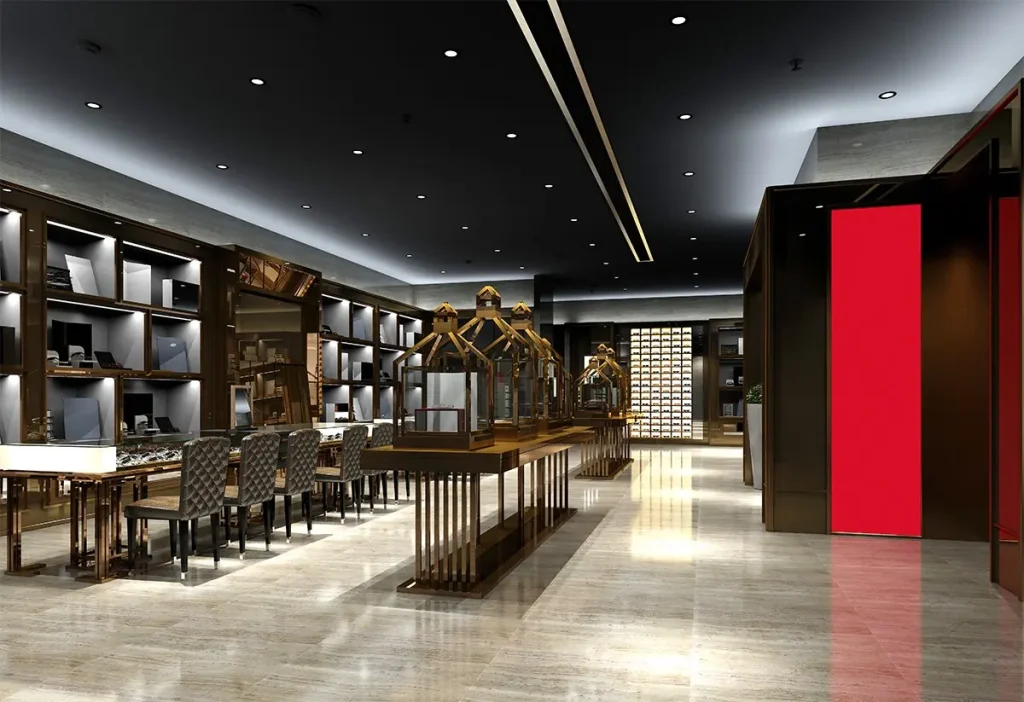
When selecting Faretti a LED da incasso, choosing between 6500K (cool white) E 4000K (neutral white) can dramatically change the atmosphere and function of a space.
This guide explains the science behind color temperature, the differences between 6500K and 4000K, and how to choose the right light for each project.
1. What Is Color Temperature and Why Does It Matter?
1.1. Definition
Color temperature, measured in Kelvin (K), describes the color appearance of a light source — from warm yellowish tones to cool bluish whites.
- Low color temperature (2700–3500K): Warm, cozy light, similar to incandescent lamps.
- Medium color temperature (4000K): Neutral white, balanced and natural.
- High color temperature (6000–6500K): Cool white, crisp and energizing.
1.2. Why It’s Important
Color temperature affects how we perceive brightness, contrast, and even emotional response.
A warm tone enhances relaxation, while a cool tone promotes focus and alertness. For B2B buyers and lighting designers, selecting the right color temperature ensures both visual comfort E functional efficiency in each environment.
1.3. How It Works
An LED’s color temperature depends on the phosphor coating over the diode, which alters the emitted spectrum. The higher the Kelvin rating, the bluer and more “daylight-like” the light appears.
2. 6500K vs 4000K – Detailed Comparison of Light and Experience
The difference between 6500K and 4000K goes beyond just brightness; it changes the perception of space, color accuracy, and emotional response.
2.1. Visual and Psychological Differences
| Feature | 4000K (Neutral White) | 6500K (Cool White) |
|---|---|---|
| Visual Tone | Balanced, soft, and natural | Bright, crisp, daylight-like |
| Perceived Brightness | Moderate | High (appears clearer) |
| Color Rendering | Excellent, true-to-life | Slightly bluish tone |
| Best For | Hotels, retail, meeting rooms | Offices, hospitals, classrooms |
| Visual Fatigue | Low, comfortable for long hours | Higher over long exposure |
| Ambience | Relaxed and welcoming | Alert, energetic atmosphere |
2.2. Brightness and CRI
While 6500K looks brighter to the eye, its lumen output isn’t always higher.
Instead, its visual contrast E blue spectrum create a stronger “daylight” feeling.
For spaces where accurate color perception matters (e.g., retail or hospitality), 4000K with CRI > 90 is usually preferred.
2.3. Visual Health
Prolonged exposure to cool white light may increase visual strain. Neutral white light (4000K) reduces glare and fatigue, especially in office and hospitality environments.
3. Choosing the Right Color Temperature by Application
Selecting between 4000K and 6500K depends on the project type and desired ambience.
Below is a quick reference guide for professional buyers and lighting designers.
| Application | Recommended Color Temperature | Suggested Product Type |
|---|---|---|
| Office / Education | 5000–6500 K | High-efficiency COB downlight (UGR < 19) |
| Retail / Shopping Mall | 3500–4000 K | Adjustable track or recessed downlight |
| Hotel / Restaurant | 2700–3500 K | Warm white recessed downlight |
| Hospital / Laboratory | 6000–6500 K | High-brightness downlight, cool white |
| Residential / Gallery | 3000–4000 K | Dimmable downlight, CCT adjustable |
3.1. Office and Workspaces
Use 5000–6500K to simulate daylight, boost productivity, and maintain alertness.
3.2. Retail and Hospitality
Neutral white (4000K) highlights merchandise colors and materials accurately, creating a natural shopping or dining experience.
3.3. Medical and Technical Facilities
6500K provides a clean, bright tone ideal for precision work or hygiene-critical areas.
3.4. Residential or Multifunctional Areas
4000K strikes the best balance between clarity and comfort.
4. Tunable CCT LED Downlights – The Future of Adaptive Lighting
Static color temperature no longer satisfies modern architecture. Tunable CCT downlights allow users to switch seamlessly between warm and cool tones (typically 2700K–6500K) using dimmers or control systems.
4.1. What Is a Tunable CCT Downlight?
A tunable white or CCT-adjustable LED downlight combines two or more LED chips with different color temperatures. The driver balances their intensity to achieve any desired tone.
4.2. Key Advantages
- Flexible Ambience: Change lighting from cool to warm throughout the day.
- Efficienza energetica: Adjust intensity to reduce power use.
- Smart Integration: Compatible with DALI, 0–10 V, or wireless control.
- Enhanced Well-Being: Supports human-centric lighting that follows natural circadian rhythms.
4.3. Applications
Ideal for hotels, meeting rooms, showrooms, and smart homes, where atmosphere and adaptability are equally important.
5. Evaluating a Manufacturer’s Color-Temperature Quality
For B2B buyers, consistent color temperature is a key indicator of factory quality.
Below is a quick evaluation framework to identify a reliable supplier.
| Evaluation Aspect | Checkpoints | Professional Recommendation |
|---|---|---|
| LED Chip Quality | Uses Cree, Citizen, or Bridgelux | Ensure color uniformity (SDCM ≤ 3) |
| Driver Compatibility | Supports DALI / 0–10 V | Prevent color shift during dimming |
| Optical Design | Reflector precision and UGR control | Achieve uniform illumination |
| Certifications | CE, ETL, SAA, RoHS | Required for international export |
| Warranty / After-Sales | 3–5 years typical | Indicates stable quality assurance |
High-end manufacturers typically maintain MacAdam 3-step color-bin consistency, guaranteeing visual uniformity across batches.
6. Partnering with a Professional LED Downlight Supplier
Working with a specialized manufacturer ensures not just good products but complete lighting solutions.
A professional partner typically offers:
6.1. Technical Expertise
- Precision color-temperature calibration
- Advanced COB optics with CRI > 90
- Full compatibility with DALI and 0–10 V dimming systems
6.2. Product Strengths
- Consistent color quality (SDCM < 3)
- Multiple CCT ranges: 2700K–6500K
- Flicker-free drivers and anti-glare designs
- Extensive certification portfolio (CE / ETL / SAA)
6.3. OEM / ODM Capabilities
- Private-label branding and packaging
- Custom optics or mechanical design
- Fast prototyping and low MOQ production
6.4. Typical Project References
- European retail chains (4000K neutral white)
- Middle-East hotel lighting (3000–6000K tunable systems)
- Australian office buildings (6500K daylight lighting)
7. Common Questions About 6500K and 4000K Downlights
| Question | Answer |
|---|---|
| Q1: Which is brighter, 6500K or 4000K? | 6500K appears brighter to the eye due to its cool spectrum, though actual lumen output may be similar. |
| Q2: What color temperature is best for offices? | 4000–5000K provides a comfortable balance of brightness and focus. |
| Q3: Does high color temperature cause eye strain? | Extended exposure to 6500K light can cause fatigue; combining it with indirect or dimmable lighting helps. |
| Q4: Can color temperature be customized? | Yes, tunable CCT systems can adjust from 2700K to 6500K for multi-purpose environments. |
| Q5: Does color temperature affect energy consumption? | Power consumption is similar, though cooler LEDs may achieve slightly higher efficacy (lumens per watt). |
8. Conclusion
Selecting between 6500K and 4000K LED downlights is not just a design choice; it’s about functionality and user experience.
- 6500K delivers clarity and focus, ideal for hospitals, offices, and educational environments.
- 4000K provides natural balance and comfort, perfect for retail and hospitality.
- For dynamic or multi-use spaces, CCT-adjustable downlights offer the best flexibility.
When sourcing LED lighting, always prioritize manufacturers with proven optical consistency, international certifications, and professional OEM support.
Such partnerships ensure that every project achieves its desired brightness, mood, and performance.
Call-to-Action (Placeholder)
✅ Contact us for a customized lighting proposal
✅ Download the LED Downlight Color-Temperature Guide (PDF)
✅ Request a free sample or quotation
9. Global LED Downlight Color-Temperature Market (2025 Forecast)
| Region | Share (2023) | Projected Growth 2023–2025 | Dominant CCT Range |
|---|---|---|---|
| Europe | 32 % | +8 % | 3000K–4000K |
| Middle East | 18 % | +10 % | 2700K–5000K |
| North America | 27 % | +7 % | 4000K–5000K |
| Asia-Pacific | 23 % | +12 % | 5000K–6500K |
Source: Global LED Lighting Market Outlook 2025 (CLIA / IHS Markit)
This data shows growing adoption of neutral-white (4000K) lighting in commercial design and cool-white (6500K) systems in industrial and institutional sectors.