 XHLUX
XHLUX

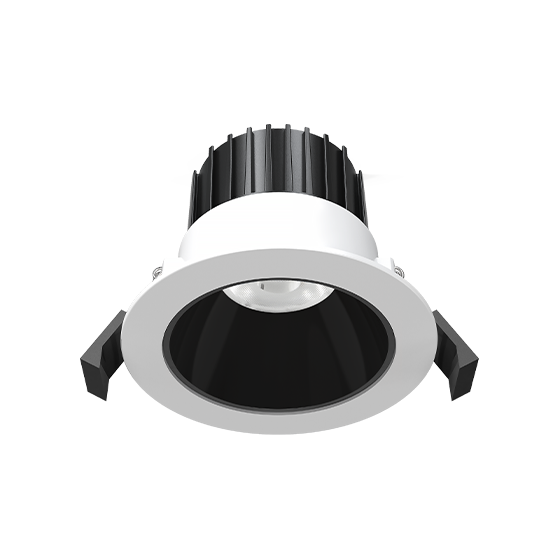
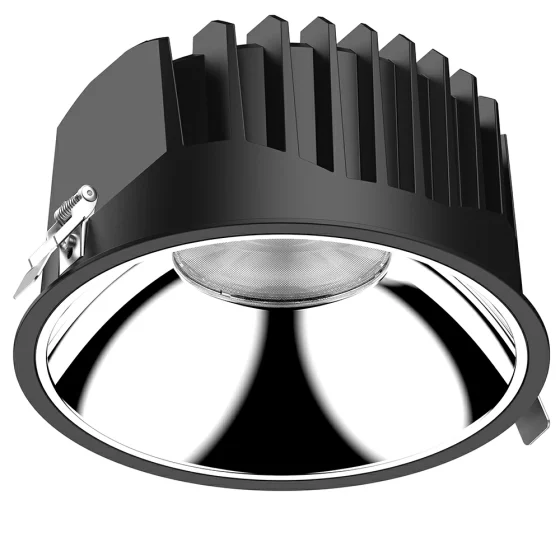
LED downlights have become an indispensable choice in modern lighting design. Their energy efficiency, long life and flexibility have made them widely used in domestic, commercial and industrial lighting scenarios. However, with a wide range of Luminárias de embutir LED of various specifications available in the market, it is not easy to select a high-efficiency luminaire that suits specific needs. Luminous efficacy and brightness are two key factors that determine the performance of LED downlights. Understanding these two metrics will help consumers make an informed choice among the many products available.
Definition Of Luminous Efficacy And Brightness Of LED Downlights
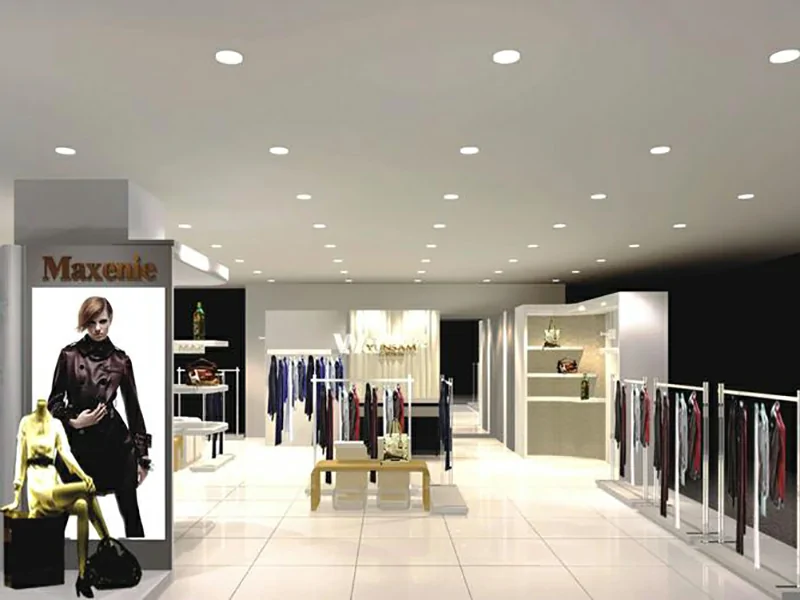
Eficácia Luminosa is an important measure of the efficiency of a light source, which indicates the amount of luminous flux (in lumens) converted per watt of electrical energy. Generally, the higher the luminous efficiency, the more energy efficient the luminaire is. This means that LED downlights with higher luminous efficacy are able to provide more light with the same energy consumption.
Brilho, on the other hand, relates to the intensity of light as perceived by the human eye. A luminaire with a high luminous efficacy is able to provide more light over a relatively large area. Although Brightness is closely related to luminous efficacy, it is influenced more by the design of the luminaire, the beam angle, and the optics. Understanding these two metrics and their interactions is critical to choosing the right LED downlight!
Factors Affecting Tele Efficiency Of LED Downlight
The light effect not only depends on the quality of the LED chip itself, but also affected by a variety of external factors. The following key factors directly affect the luminous efficiency of LED downlight:
Light Source Technology
The light efficiency of different LED chips varies significantly. High-quality LED chips usually have a higher efficiency of electro-optical conversion. Advanced light source technologies such as High Brightness Chip (HBLED) can significantly improve luminous efficacy while reducing energy consumption.
Driver Power Supply Efficiency
The efficiency of the drive power supply also has a significant impact on the overall luminous efficacy. An efficient power supply converts more power into light rather than wasting it on heat or other forms of energy loss. A low quality drive power supply can result in wasted energy, which in turn reduces luminous efficacy.
Thermal Management System
The thermal management system of an LED downlight has a direct impact on its light efficiency. Efficient thermal design extends the life of the LED and maintains high performance. Heat buildup not only reduces luminous efficacy, but also shortens the life of the lamp. Therefore, you need to pay special attention to the heat dissipation performance of the luminaire when purchasing.
| Factors affecting light efficiency | Degree of influence |
| Light Source Technology | Alto |
| Drive power efficiency | Médio |
| Thermal management system | Alto |
Factors affecting the brightness of LED downlights
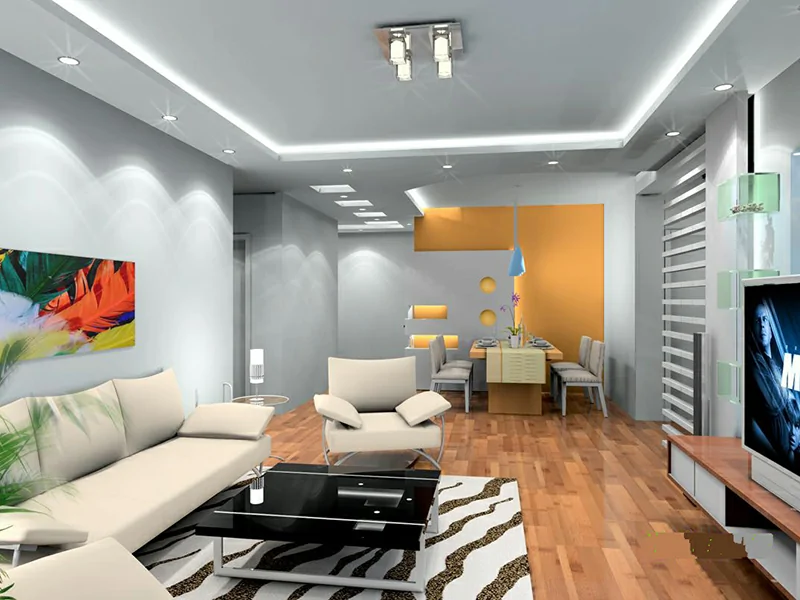
Brightness is not only dependent on the intensity of the light source, but also affected by the design of the fixture and the optical components. The following factors are important in determining the brightness of LED downlight:
Luminaire Design
The design of LED downlight directly affects the light output and distribution. A well-designed luminaire can effectively concentrate the light and enhance the brightness. Unreasonable design may lead to light loss and reduce the actual brightness of the fixture.
Ângulo do feixe
Ângulo do feixe determines the range and intensity of light distribution. A smaller beam angle usually concentrates the light and increases the brightness, but the irradiation area is smaller; a larger beam angle spreads the light and decreases the brightness, but covers a larger area. Therefore, it is very important to choose the right beam angle according to the usage environment.
CRI (Color Rendering Index) and Brightness
Índice de Reprodução de Cores (IRC) measures the ability of a luminaire to reproduce the true color of an object. Luminaires with a high CRI can provide light that is closer to natural light, which not only helps to improve the color saturation of objects, but also improves the overall perception of brightness. However, increasing CRI usually comes at the expense of light efficiency, so a balance needs to be found between the two.
| Factors affecting brightness | Degree of Influence |
| Luminaire Design | Alto |
| Ângulo do feixe | Médio |
| Color rendering index | Low-Medium |
Como To Ccasa High Performance LED Downlight
When choosing a high-efficiency LED downlight, you need to consider the two main factors of light efficiency and brightness. Here are a few practical suggestions:
Escolher Based On Light Efficiency
For application scenarios that emphasize energy efficiency, such as commercial lighting or fixtures that need to run for long periods of time, luminous efficacy is the primary consideration. It is recommended to choose LED downlights with a luminous efficacy of 100 lumens/watt or more to ensure high energy efficiency.
Selection Based On Brightness
The choice of brightness should be based on the specific application environment. For example, in display areas or accent lighting scenarios, lamps with higher brightness should be selected and the beam angle should be adjusted according to demand to achieve the best results. In general lighting scenarios, luminaires with moderate brightness and high luminous efficacy can be selected.
Comprehensive consideration
Different application scenarios have different requirements for light efficiency and brightness. When choosing LED downlights, the balance between light efficiency and brightness should be considered comprehensively. For example, in the need for high brightness while ensuring a certain degree of energy efficiency in the scene, it is recommended to choose lamps with moderate luminous efficacy and high CRI.
Como To Evaluate The Luminous Efficiency And Brightness Of LED Downlights
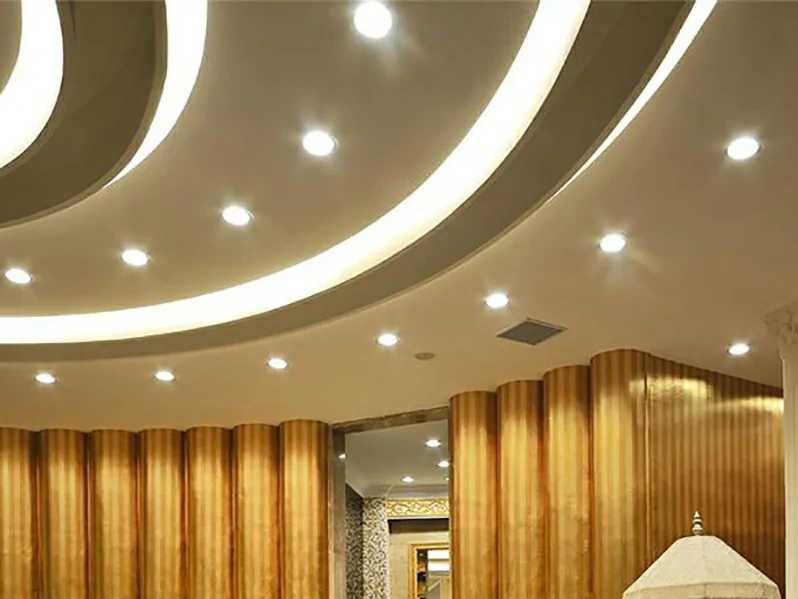
In order to accurately assess the performance of LED downlights, consumers need to understand the difference between lab test data and real-world applications. While lab tests provide theoretical performance data of the fixtures, the actual usage environment may affect the performance of these data.
Lab Tests vs.
Laboratory tests are usually conducted under ideal conditions, while real-world applications may be affected by factors such as ambient temperature and installation methods. Therefore, when evaluating the performance of a luminaire, it is important not to rely solely on laboratory data, but also on real-world experience.
Certifications and Standards
Choosing products that have passed international certifications can provide consumers with more protection. Common certifications include Energy Star and DLC certifications, which have strict requirements for light efficiency, brightness, and life span of lamps. Choosing these certified products can ensure the reliability of the lamps in terms of energy efficiency and performance.
Choosing a high-efficiency LED downlight requires a comprehensive consideration of two key factors: luminous efficacy and brightness. Understanding and balancing these two factors can help consumers choose the most appropriate fixtures for various application scenarios. By focusing on details such as light source technology, driver power supply, thermal management system, as well as luminaire design and beam angle, consumers can make smarter purchasing decisions to get the best lighting results!
LED Downlight Effect And Brightness FAQ
Does Higher Light Efficiency Mean Higher Brightness?
Not necessarily. Luminous efficacy is primarily a measure of energy efficiency, while brightness is affected by multiple factors such as fixture design, beam angle, and color rendering index. Luminaires with high luminous efficacy may be more energy efficient, but they are not necessarily brighter.
How To Strike A Balance Between Luminous Efficacy And Brightness?
Choosing the right luminous efficacy and brightness depends on the specific needs of the application. In scenarios where energy efficiency is important, luminous efficacy should be prioritized; in scenarios where high brightness is required, more attention should be paid to brightness.
How To Determine The Required Beam Angle?
The choice of beam angle should be based on the lighting range and brightness requirements. If centralized lighting is required, such as in a display case, a small beam angle is selected; if a wide range of lighting is required, a large beam angle is selected.
Are Fixtures With A High CRI Necessarily Suitable For All Scenarios?
Not necessarily. High CRI luminaires are suitable for scenes that require high color reproduction, such as art exhibitions or photography studios. However, in general lighting scenarios, too high CRI may affect the light efficiency, resulting in reduced energy efficiency.
How To Evaluate Different Brands Of LED Downlights?
You can evaluate them by checking the brand’s market reputation, the product’s performance certification, and the reviews from actual users. Choosing a brand with a good reputation and full certification is usually more secure.
Does The Price Determine The Light Efficiency And Brightness?
Price is a reference factor, but not absolute. Higher-priced products usually perform better in terms of light efficiency and brightness, but consumers still need to combine specific parameters and actual needs to make a choice.





O que é iluminação de trilho magnética de 48V?
Um sistema de baixa tensão onde as luminárias se fixam magneticamente, reposicionam-se em segundos e operam com segurança abaixo do limite SELV. Veja o que isso significa para projetos comerciais.
O que define um parceiro confiável para projetos de iluminação comercial?
Descubra o que torna um parceiro confiável em projetos de iluminação comercial e quais fatores são mais importantes ao trabalhar em projetos de iluminação de longo prazo.
Como equilibrar brilho e conforto na iluminação comercial.
Este artigo explica como equilibrar o brilho e o conforto visual na iluminação comercial para alcançar ambientes funcionais e confortáveis.