 XHLUX
XHLUX

In an art gallery, lighting is the one thing that adds depth, drama and life to the canvas. The right lighting can turn an art gallery into an engaging and immersive space, enhancing the perception and appreciation of the artwork on display. Therefore, choosing the right Iluminación LED de riel is especially important. In this blog, we will discuss choosing the right LED track lighting fixtures for your art gallery to help you better display your artwork!
Special Requirements Fo Lighting In Art Galleries
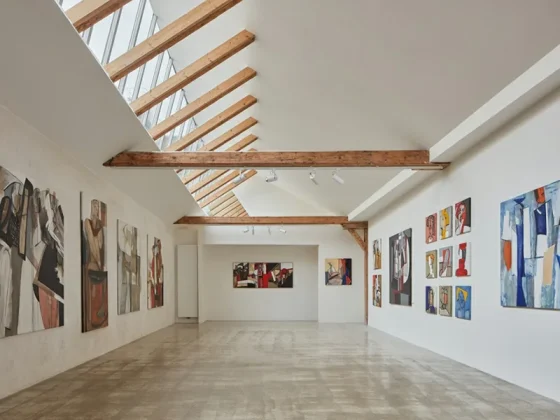
Sensitivity of artworks to light Artworks, especially oil paintings and paper artworks, are very sensitive to light. Strong light, ultraviolet rays, etc. may cause irreversible damage to artworks, so it is crucial to choose appropriate lighting equipment and light sources.
How to avoid light damage to artwork Choose LED lamps with UV protection and avoid light sources that contain UV components. In addition, light damage to artwork can be minimized by adjusting light intensity and using filters.
Lighting needs for different types of artworks
- Painting:requires high color rendering index (CRI) and uniform light to show details and colors.
- Sculpture:need to highlight the three-dimensionality and details of the artwork through different angles of light.
- Photography:requires precise control of light intensity and color temperature to avoid color cast and reflections
Types of Art Gallery Fixtures
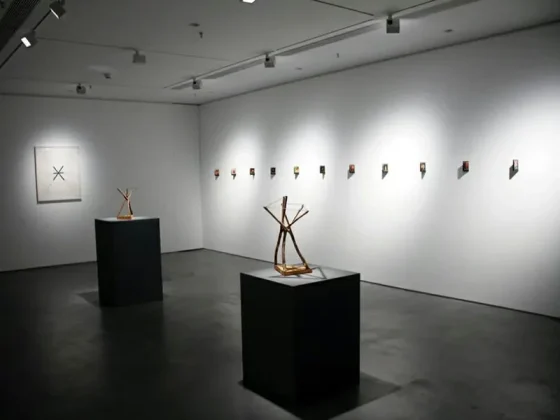
Now, let’s explore the various types of fixtures suitable for art galleries, including some XHLUX products that excel in the following categories:
Iluminación de riel
Track lighting provides the flexibility to highlight artwork.XHLUX comes in different track versions and can replace MR-16 bulbs for an energy-efficient option. It’s perfect for directing adjustable light to paintings, sculptures or any other focal point in the gallery.
Spotlight
Spotlights are perfect for drawing attention to individual works of art. xHLUX’s Spot Optical Lamps are designed for spotlighting and can replace AR 111 bulbs. The adjustability and precision of the track head ensures that the narrow beam angle of the lamp produces focused and controlled illumination, making it an excellent choice for highlighting specific works of art with unparalleled precision.
Wall Washer Lamps
Critical to creating even illumination and limiting overexposure, XHLUX’s wall wash lights allow you to customize the ambiance using different optics, ensuring that the textures and details of your artwork are highlighted without glare.
Downlights LED
XHLUX’s focos LED empotrables provide general lighting for gallery spaces. They are not only affordable, but also versatile and perfect for retrofit installations. Pendant lights are a type of downlight that can be used to create unique lighting arrangements while adding beauty to a space
Cómo To Ccasa Tél Right LED track light
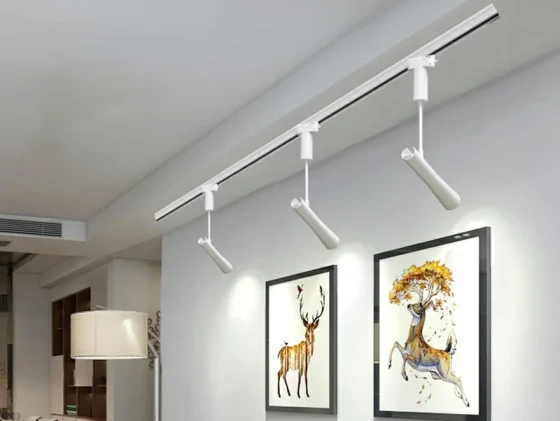
Choose the right color temperature LED track light:Color temperature has an important impact on the display effect of artwork. Warm white light (2700K-3000K) is suitable for displaying classical artworks, creating a warm and soft atmosphere; neutral white light (3500K-4000K) is suitable for modern artworks, which can truly restore the color and texture of the works.
The importance of luminous flux and color rendering index: Luminous flux (lumens) determines the brightness of the lamps, and the appropriate luminous flux should be selected according to the size and layout of the gallery space. Color Rendering Index (CRI) measures the ability of the light source to reproduce colors. A high CRI (CRI>90) can more realistically reproduce the colors and details of the artwork.
Adjustability and Flexibility:Choose LED track lights with adjustable angle and direction to flexibly adjust the lighting angle to meet the display needs of different exhibits. Dimmable function is also very important, you can adjust the light intensity according to different gallery scenes and time periods to create the best display effect.
Choosing the right LED track lighting is critical to the success of an art gallery. By understanding the basics of LED track lighting, the special lighting needs of art galleries, choosing the right color temperature, luminous flux and color rendering index, as well as reasonable installation and layout design, the display of artwork can be greatly enhanced!

Preguntas frecuentes
What kind of lighting should I choose for my art gallery?
In an art gallery, choosing the right lighting is critical. Generally speaking, lamps with a high color rendering index (CRI>90) are able to more realistically render the colors and details of the artwork. In addition, neutral white light with a color temperature between 3000K-4000K is often recommended because it creates a natural lighting effect without causing excessive color bias to the artwork.
How to choose the right color temperature for an art gallery?
Lighting with different color temperatures has different effects on the display of artwork. Warm white light (2700K-3000K) is suitable for displaying classical artworks, creating a warm and soft atmosphere; neutral white light (3500K-4000K) is suitable for modern artworks, which is able to realistically restore the color and texture of the works. Choosing the appropriate color temperature according to the theme of the exhibition and the characteristics of the artwork can enhance the viewing experience.
What is Color Rendering Index (CRI) and why is it important?
Color Rendering Index (CRI) is a measure of a light source’s ability to reproduce colors, with values ranging from 0 to 100. A light source with a high CRI (CRI>90) is able to more realistically reproduce the colors of an object, resulting in richer and more vivid colors and details in the artwork. In an art gallery, it is important to choose lamps with a high CRI to ensure that the audience can appreciate the true colors of the artwork.


¿Qué es la iluminación de riel magnética de 48 V?
Un sistema de bajo voltaje donde las luminarias se fijan magnéticamente, se reposicionan en segundos y funcionan de forma segura por debajo del umbral SELV. Esto es lo que significa para los proyectos comerciales.

¿Qué características debe tener un socio confiable para un proyecto de iluminación comercial?
Descubra qué características debe tener un socio fiable para proyectos de iluminación comercial y qué factores son los más importantes a la hora de trabajar en proyectos de iluminación a largo plazo.

Cómo equilibrar el brillo y la comodidad en la iluminación comercial
Este artículo explica cómo equilibrar el brillo y el confort visual en la iluminación comercial para lograr ambientes funcionales y confortables.