 XHLUX
XHLUX


What is LED track light
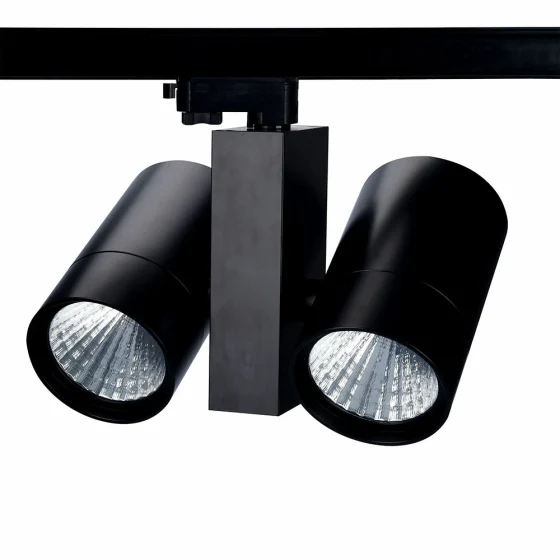
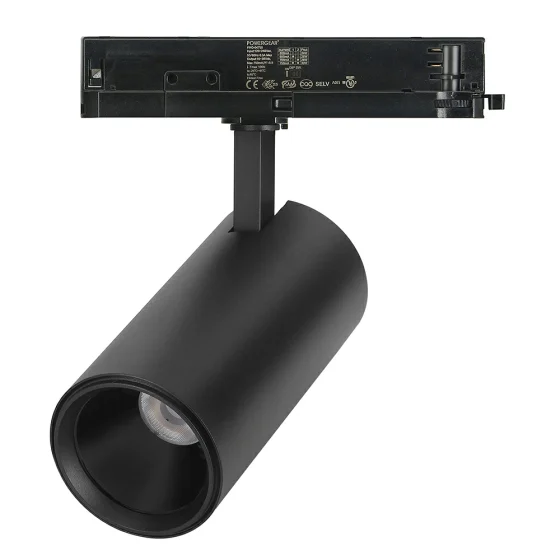
LED track light is a lighting system that uses light-emitting diodes (LED) as light sources. It consists of a track fixed to the ceiling or wall and multiple movable lamp heads. You can think of the track as a “running track” and the lamp heads as “players” on the track, which can slide and turn freely. This design makes it flexible and practical.
At home, it can illuminate the dining table or decorative wall; in stores, it can highlight the display of goods; in industrial sites, it can provide sufficient light for the work area. Want to know the mystery behind it? Let’s uncover how it works step by step.
LED track lights can now be seen everywhere in home living rooms, store windows and factory workshops. It not only provides bright light, but also allows you to adjust the lighting direction at will. So, how does this magical lighting system work? In this article, we will take you to an in-depth understanding of its construction, working principle and why it is so suitable for various scenarios. Whether you want to add luster to your home or find an efficient led lighting solution for your business or industrial space, this article can help you solve your problems.
Core components of LED track lights
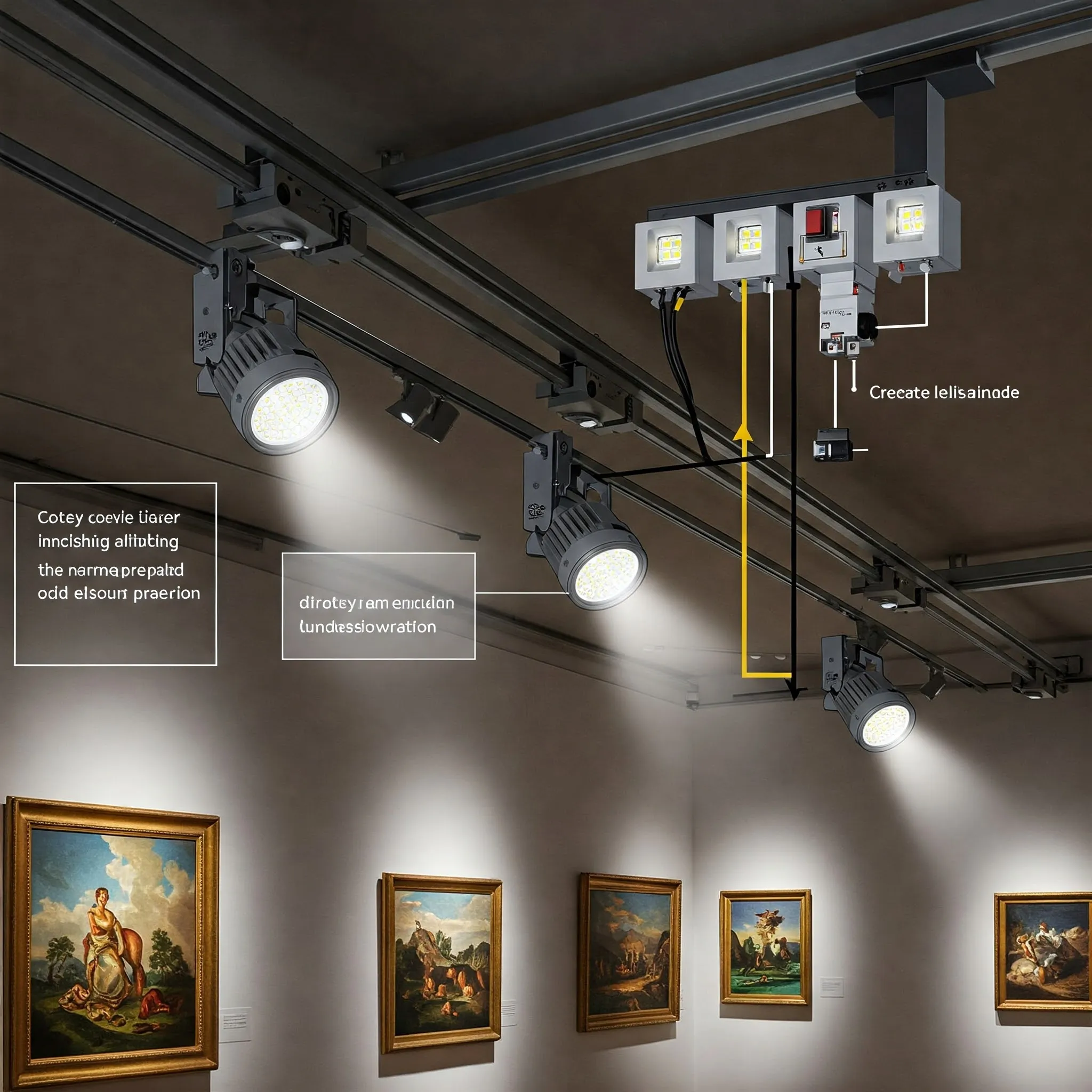
LED track lights may seem complicated, but they are actually made up of five main parts:
LED light source
The LED light source is the core of the track light and is usually composed of multiple LED chips. Each LED chip is made of semiconductor materials and can emit light when current passes through it.
Lamp housing/heat dissipation system
LED generates heat when it works, so a good heat dissipation design is required. The lamp housing is usually made of aluminum alloy or other thermally conductive materials to help dissipate heat and ensure the life and stability of the LED chip.
Driver power
LED requires a DC power supply, while the household power supply is AC. The function of the driver power supply is to convert AC into stable DC power and adjust the current to prevent excessive or insufficient current from damaging the LED.
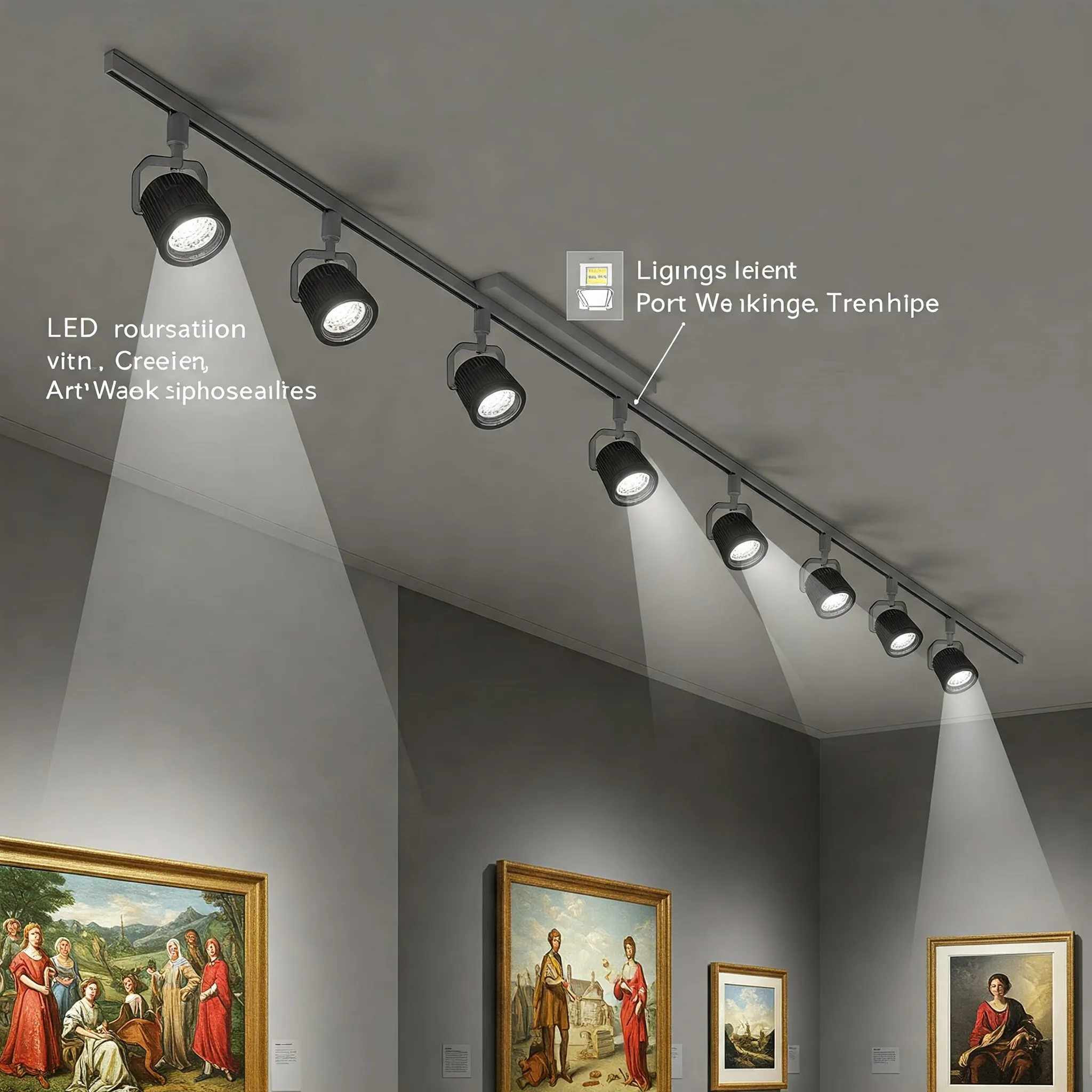
Track power contact part
LED track lights are usually installed in systems with conductive tracks. There is a power contact part in the track to ensure that the lamp is connected to the power supply and the position of the lamp can be adjusted as needed.
Reflector and light-transmitting cover
The reflector is used to enhance the directionality of the light beam, while the light-transmitting cover helps soften the light and reduce the irritation of direct light to the eyes, while ensuring uniform lighting effects.
The coordinated work of these components enables LED track lights to provide not only efficient lighting, but also long service life and good lighting effects. Some tracks are single-circuit and can only control all lamp heads uniformly; while multi-circuit tracks support group switches, which are suitable for commercial spaces that require flexible adjustments. Regardless of the type, the coordination of these components makes LED track lights an efficient whole.
LED track light working principle
So, how does LED track lighting emit light? The process is actually very simple:
The working principle of LED track lights mainly depends on the characteristics of LED (light-emitting diode). LED lights generate photons by passing current through semiconductor materials. Specifically, LED track lights are usually composed of an LED light source, a track conductive part and a driving power supply.
LED light source: This is the core of the track light. The LED chip is excited by external current to generate light. The light-emitting principle of LED is based on the electronic transition of semiconductor materials. When electrons transition from high energy state to low energy state, photons are released.
Track conductive part: LED track lights need to be installed on the track. There are electrical connections inside the track to provide power for the track lights. Usually, there are multiple contact points on the track, and each contact point can supply power to the corresponding lamp.
Driver power: The current of LED lights requires stability, while the current provided by ordinary power supplies is usually unstable, so an LED driver power supply is needed to convert the current to ensure that the LED chip is not damaged when working. The driver converts the AC power into DC power and controls the current to ensure the lamp works properly.
With these basic components working together, LED track lights can effectively provide efficient and energy-saving lighting.
First, the power enters the track from the power source. There are conductive strips inside the track, and the lamp heads connect to these conductive strips through contact points to obtain power. Next, the power is transmitted to the chip inside the LED lamp head, which converts the power into light to illuminate the space.
Unlike traditional incandescent lamps, LED do not need to heat the filament to emit light, so they are more efficient. For example, a 10-watt LED lamp head can emit the same light as a 40-watt traditional bulb, but uses much less power. Even better, you can manually adjust the angle of the lamp head to focus the light on a painting on the wall or cover the entire work surface. This flexibility makes it easy to use in various occasions.
The role of LED technology in track lighting
LED technology plays a core role in track lighting, providing energy-efficient, long-life and flexible lighting solutions. Its low energy consumption, high brightness and diverse designs make it an ideal choice for modern track lighting.
LED track lights are so popular, thanks to LED technology. Compared with old-fashioned halogen or incandescent lamps, LED have several advantages:
Low energy consumption
LED convert more electrical energy into light instead of heat. Home users can save a lot of electricity bills, and commercial and industrial customers can also reduce operating costs.
Extremely long life
An LED lamp head can last 30,000 to 50,000 hours, which is equivalent to more than 10 years of use for 5 hours a day. For factories, this means less maintenance trouble.
Low heat
LED hardly generate heat, and they won’t heat up the merchandise when used in shop windows, making them safe and practical.
In order to keep the LED glowing steadily, each lamp head also has an “LED driver”, which is like a little housekeeper, regulating the current to ensure that the light is bright and flicker-free. It is these technologies that make LED track lights the star of modern lighting. If you want to know more details, our sales manager is always available to answer your questions, please contact us!
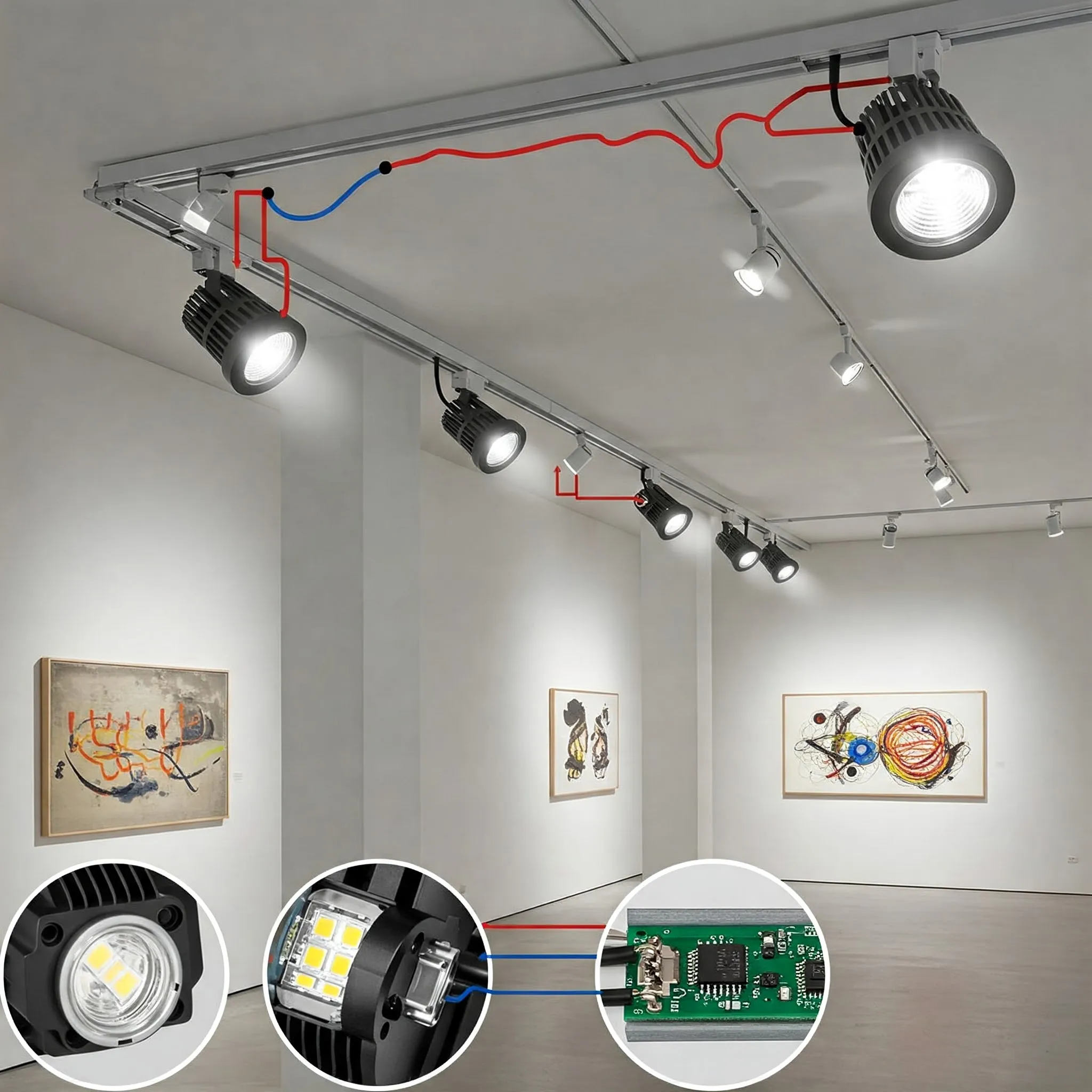
Installation and personalized selection
LED track lights are flexible to install and can be fixed to the ceiling or wall, with adjustable angles and positions. Personalized options include color temperature, brightness, lamp style and intelligent control functions to meet the needs of different scenes and decorative styles.
Installing LED track lights is not complicated, and they can be tailored to your needs. There are three common installation methods:
Surface installation: Directly fixed to the ceiling, suitable for most homes and industrial spaces, with simple construction.
Recessed: Hidden in the ceiling for a cleaner look, often used in high-end stores or modern homes.
Suspended: Suspended by a wire, suitable for tall spaces, such as warehouses or open living rooms.
Once the track is installed, you can adjust it as you like. The lamp head can slide along the track to shine wherever you want, and it can also rotate to an angle, allowing you to choose between spotlight or floodlight. Want to go a step further? Add a dimmer to control the brightness, and even connect to a smart home system to turn the lights on and off with your phone or voice.
This flexibility makes LED track lights suitable for a variety of scenarios. Use it to create atmosphere at home, attract customers in stores, and improve efficiency in factories. Not sure how to install or match? Contact our sales managers, who will provide free advice and design solutions!
In summary
The working principle of LED track lights is actually not mysterious: electricity drives the LED lamp head through the track to emit efficient light, and the adjustable design makes it highly adaptable. It is this combination of simplicity and technology that makes it an ideal choice for home, commercial and industrial lighting.
Whether you want to add a touch of warmth to your living room, create a professional display effect for your store, or even optimize the working environment for your factory, LED track lights can do it. What’s even better is that it is still evolving, and future smart control will make it more convenient and energy-efficient.
Now that you understand how it works, why not give it a try? If you need shopping advice or installation help, our sales managers are always at your service. Send us an email to [email protected], or pay attention to the xhlux official website for more details, let us light up your space together!





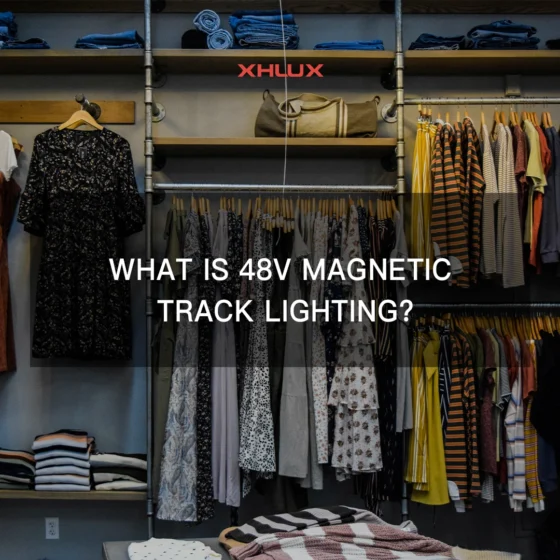
¿Qué es la iluminación de riel magnética de 48 V?
Un sistema de bajo voltaje donde las luminarias se fijan magnéticamente, se reposicionan en segundos y funcionan de forma segura por debajo del umbral SELV. Esto es lo que significa para los proyectos comerciales.

¿Qué características debe tener un socio confiable para un proyecto de iluminación comercial?
Descubra qué características debe tener un socio fiable para proyectos de iluminación comercial y qué factores son los más importantes a la hora de trabajar en proyectos de iluminación a largo plazo.
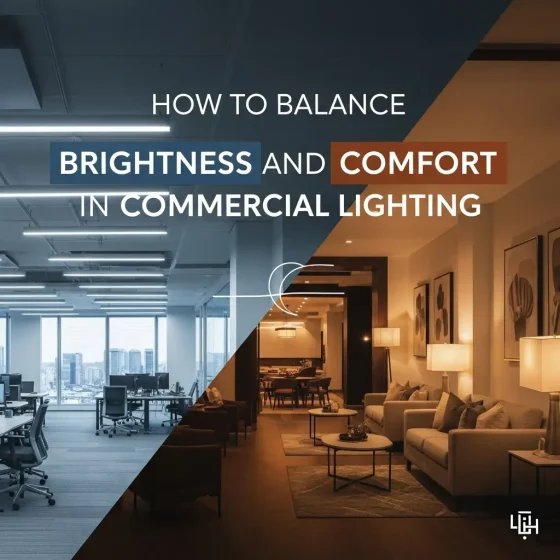
Cómo equilibrar el brillo y la comodidad en la iluminación comercial
Este artículo explica cómo equilibrar el brillo y el confort visual en la iluminación comercial para lograr ambientes funcionales y confortables.