 XHLUX
XHLUX

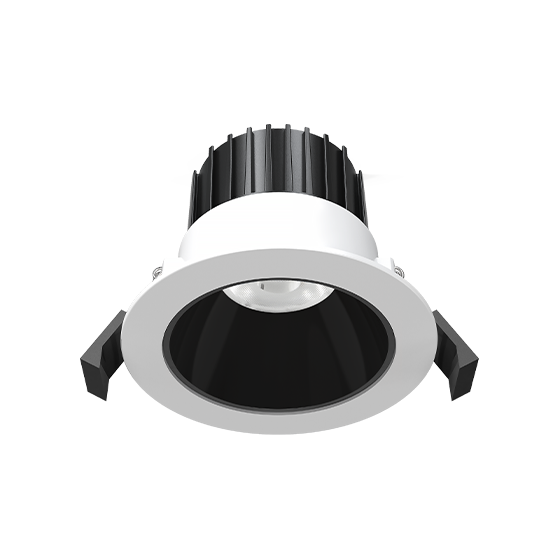
When it comes to creating the perfect lighting ambiance in your home, downlights with cable hook technology are gaining popularity as a practical, sleek, and energy-efficient solution. As we move into 2025, these innovative downlights not only offer improved functionality but also provide a seamless and safe installation process for both professional electricians and DIY enthusiasts. In this comprehensive guide, we will delve into the features, benefits, and considerations when choosing downlights with cable hooks, and explore how this modern lighting solution can elevate your home’s lighting design while addressing common pain points.
What Are Downlights with Cable Hook?
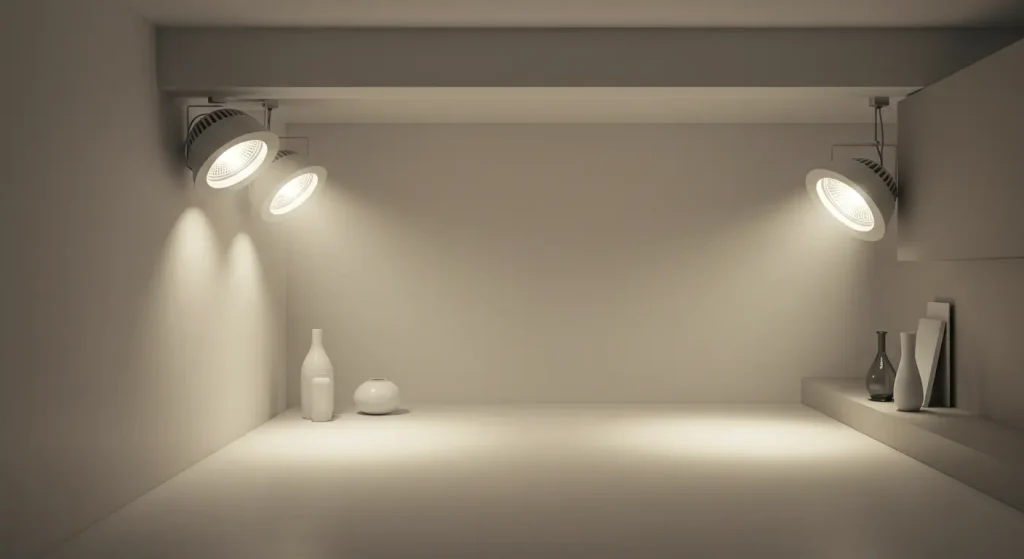
Illustration of downlights with cable hook in a modern interior
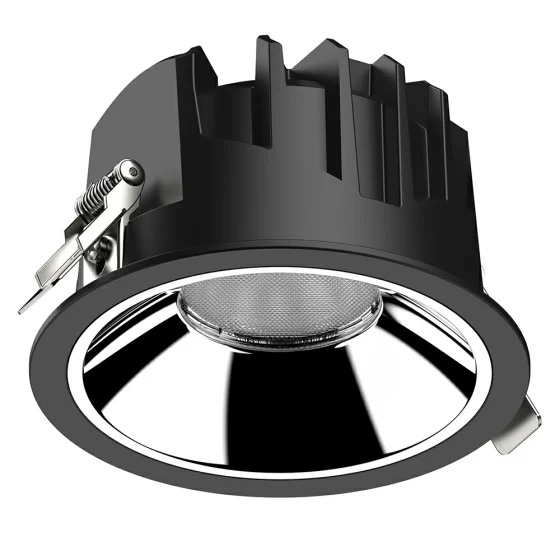
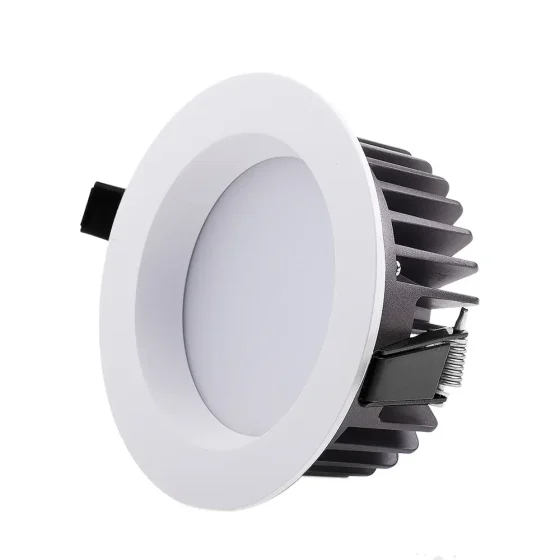
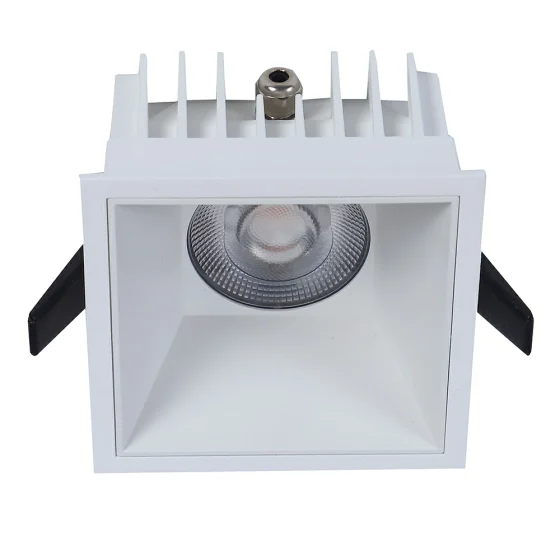
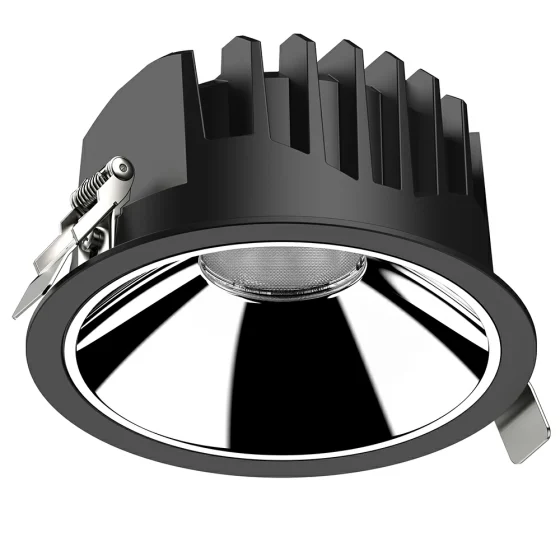
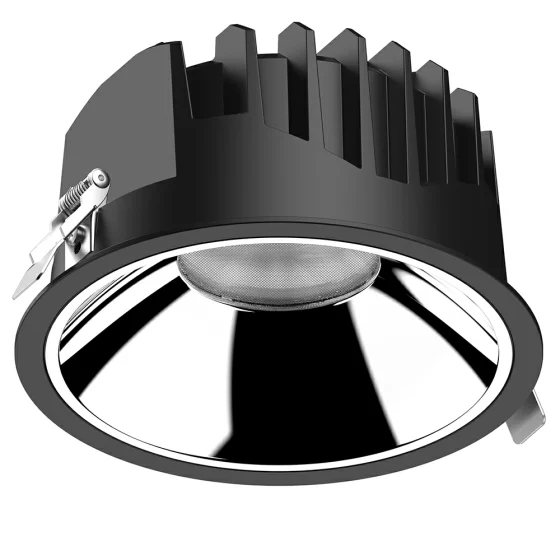
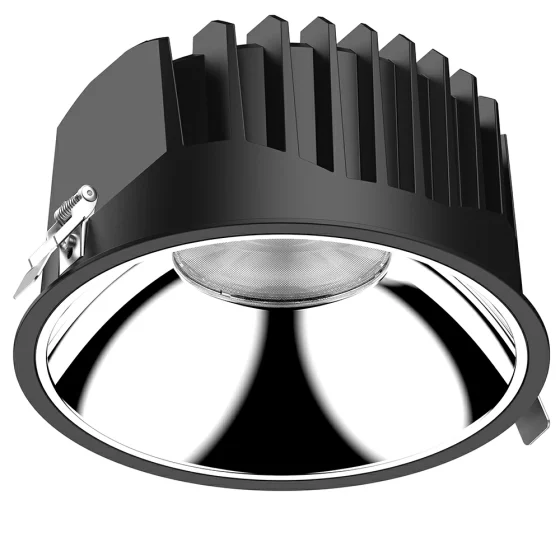
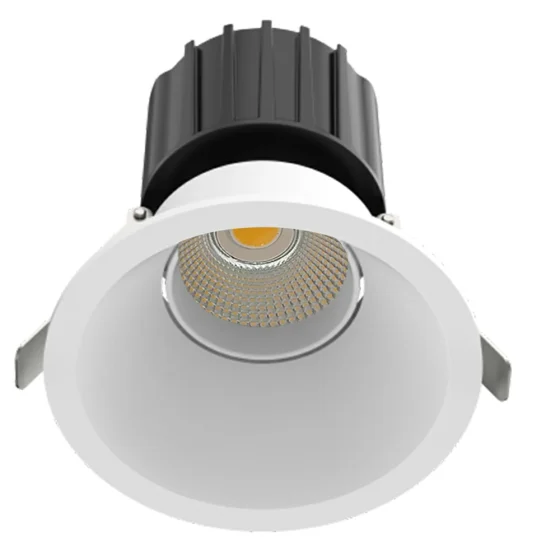
Downlights with cable hook are recessed lighting fixtures equipped with an integrated cable hook, allowing for easier and more secure installation. Typically used in ceiling-mounted lighting setups, these downlights are installed into the ceiling cavity, providing focused, directional lighting that is ideal for both aesthetic and practical purposes.
The key feature of these downlights is the cable hook, which is designed to keep the wiring organized and securely attached during the installation process. This small but powerful addition streamlines the often-challenging task of wiring lights in tight ceiling spaces. By reducing the risk of wiring becoming loose or disconnected, downlights with cable hooks ensure a more stable, reliable, and long-lasting installation.
Key Benefits of Downlights with Cable Hook
a) Simplified and Secure Installation
One of the major pain points when installing recessed lights is ensuring that the cables are properly secured. With downlights with cable hooks, this challenge is greatly minimized. The integrated hook allows you to quickly and securely fasten the wiring to the light fixture, eliminating the need for additional tools or complicated wiring techniques.
This added convenience makes the installation process faster and safer, especially when working with limited space in ceilings. Whether you’re hiring a professional or installing the downlights yourself, this feature ensures a smoother experience and reduces the risk of mistakes during setup.
b) Improved Safety and Reliability
The cable hook functionality not only makes installation easier but also enhances the overall safety of the lighting system. By securely holding the wiring in place, it reduces the risk of accidental disconnections, ensuring a consistent power supply to the lights. In the long term, this also helps to prevent potential electrical hazards caused by loose wires, overheating, or short circuits.
Moreover, the safety benefits are particularly important in high-traffic areas or spaces with high moisture levels, such as kitchens and bathrooms, where wiring issues could lead to more serious problems.
c) Enhanced Aesthetic Appeal
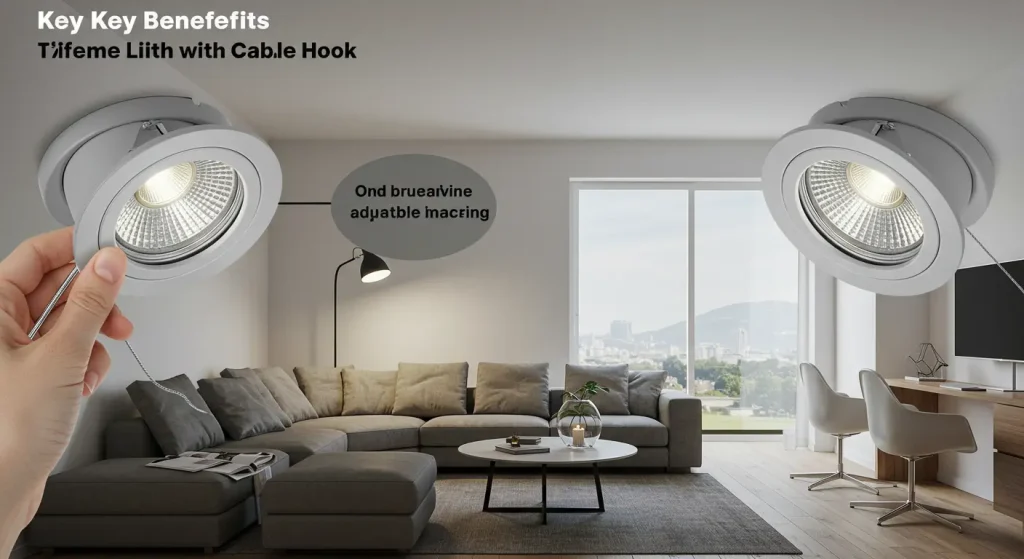
Modern interior with downlights featuring cable hook design
When installed correctly, downlights with cable hooks provide a clean and modern look. These fixtures offer sleek, unobtrusive lighting that blends seamlessly into your ceiling, allowing you to maintain a minimalist aesthetic. The small and discreet design of these downlights eliminates the bulky presence of traditional light fixtures, offering a smooth, integrated appearance that is both stylish and functional.
Because the wiring is securely housed within the fixture, there is no need for visible conduit or cables, contributing to the streamlined, clutter-free design that many homeowners and designers seek.
d) Energy Efficiency and Longevity
Like most modern downlights, downlights with cable hooks are typically LED-powered, which means they offer high energy efficiency and a longer lifespan compared to traditional incandescent or halogen lighting. LEDs use up to 80% less energy, translating into reduced electricity bills and fewer bulb replacements.
The long lifespan of LED bulbs ensures that the downlights with cable hook system will provide excellent lighting for many years, minimizing maintenance costs while contributing to your home’s overall sustainability.
Where to Use Downlights with Cable Hook in Your Home
Downlights with cable hooks are versatile and can be used in various spaces throughout the home. Whether you’re lighting a kitchen, living room, bathroom, or hallway, these fixtures can be adapted to meet your lighting needs. Here are a few common areas where they can make a significant impact:
a) Kitchens and Workspaces
In kitchens, where iluminación de trabajo is essential for cooking and food preparation, downlights with cable hooks provide targeted, bright light over countertops, sinks, and stoves. Their focused illumination ensures that you can perform tasks with greater precision and safety, while the sleek design avoids any disruption to your kitchen’s aesthetics.
Additionally, their ease of installation makes them a great choice for workspaces or home offices, where efficient, bright light is required to boost productivity.
b) Living Rooms and Bedrooms
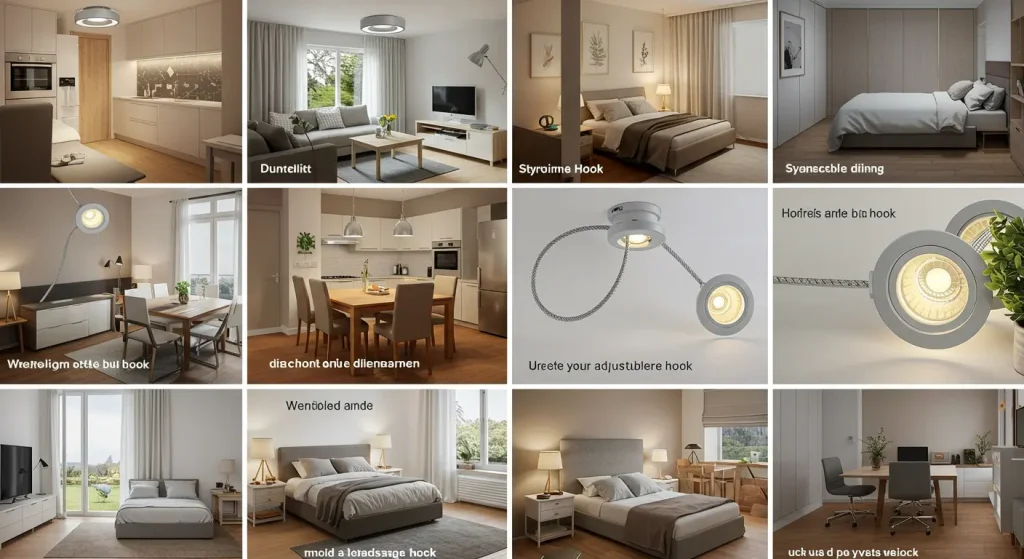
Downlights with cable hook: versatile lighting for home interiors
For living rooms and bedrooms, downlights with cable hooks offer a versatile solution for both general lighting and accent lighting. Whether you need bright, ambient light to illuminate the entire room or soft, focused light for reading or relaxing, these downlights can be installed in the optimal positions to provide the right lighting effect.
Their clean design fits perfectly into modern homes, ensuring that the lights don’t detract from the overall style of the room.
c) Bathrooms and Wet Areas
In bathrooms or wet areas where moisture is a concern, downlights with cable hooks are an excellent choice. Many models are IP-rated, meaning they are resistant to water and dust ingress, making them suitable for installation in showers, over bathtubs, or near sinks. The cable hook feature ensures that the wires stay securely fastened, reducing the risk of electrical hazards in damp environments.
d) Hallways and Entryways
For hallways, corridors, and entryways, downlights with cable hooks provide a clean and effective way to brighten these often-overlooked spaces. Their compact design ensures that the lights remain unobtrusive while providing ample illumination to guide guests through the space.
How to Choose the Right Downlights with Cable Hook for Your Home
When selecting downlights with cable hooks, several factors should be considered to ensure that the lights meet your needs in terms of both function and design:
a) Light Output (Lumens)
The brightness of downlights is measured in lumens, not watts. The more lumens a fixture has, the brighter it will be. For most rooms in your home, aim for around 300–500 lumens per downlight. If you need brighter light for task areas like kitchens or workspaces, you may want to opt for downlights with higher lumen outputs.
b) Temperatura de color
Consider the color temperature of the LED bulbs used in the downlights. Color temperature, measured in Kelvin (K), determines the warmth or coolness of the light. Warmer temperatures (2700K–3000K) are ideal for living areas and bedrooms, creating a cozy and relaxing atmosphere, while cooler temperatures (4000K–5000K) are better suited for task lighting in kitchens or offices.
c) Size and Placement
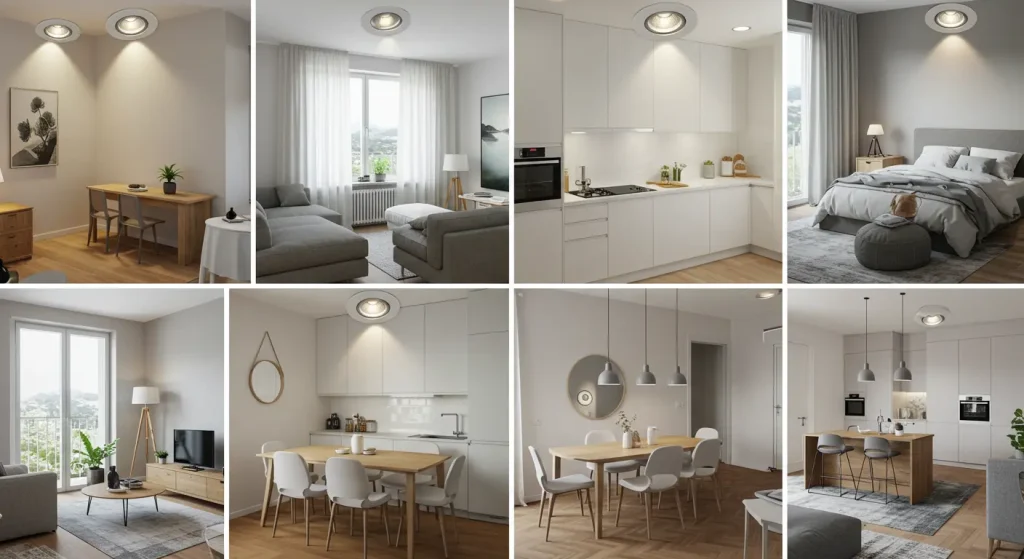
Tips for selecting the best downlights with cable hook for your interior design
The size and placement of your downlights are critical for achieving the desired effect. Smaller downlights are suitable for accent lighting or specific task areas, while larger fixtures can be used for general room illumination. When positioning your downlights, be mindful of the height and layout of the room to ensure even light distribution.
d) Regulación de intensidad
Many downlights with cable hooks come with dimming features, allowing you to adjust the light intensity based on your needs. If you want to create a more relaxed ambiance or change the mood of a room, dimmable downlights offer greater flexibility. Be sure to choose dimmable models and compatible dimmer switches if this feature is important to you.
Conclusión
Downlights with cable hooks are a game-changer in the world of home lighting, offering a streamlined, safe, and efficient solution for recessed lighting installation. By providing secure wiring attachment, ease of installation, and sleek, energy-efficient design, these lights not only improve the look of your home but also enhance its functionality.
Whether you’re renovating your kitchen, upgrading your living room, or installing lights in a new build, downlights with cable hooks offer a smart, long-lasting lighting solution that meets both aesthetic and practical needs. As the trend for minimalist, energy-efficient home designs continues to grow in 2025, these downlights are set to become a staple in modern interiors.





Un sistema de bajo voltaje donde las luminarias se fijan magnéticamente, se reposicionan en segundos y funcionan de forma segura por debajo del umbral SELV. Esto es lo que significa para los proyectos comerciales.

Descubra qué características debe tener un socio fiable para proyectos de iluminación comercial y qué factores son los más importantes a la hora de trabajar en proyectos de iluminación a largo plazo.
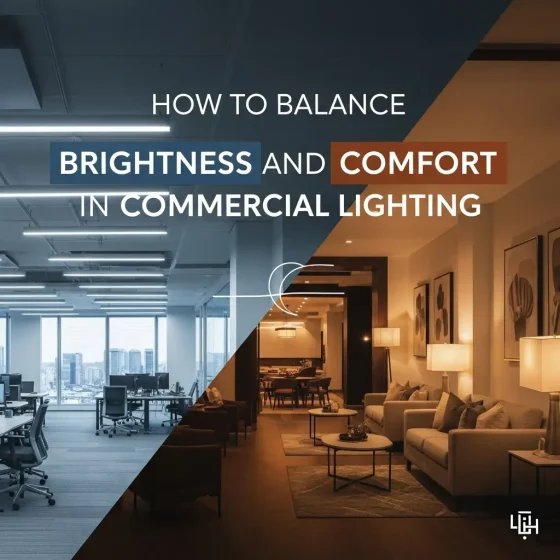
Este artículo explica cómo equilibrar el brillo y el confort visual en la iluminación comercial para lograr ambientes funcionales y confortables.