 XHLUX
XHLUX

Inhaltsverzeichnis
When it comes to improving home lighting, LED-Einbauleuchten have become a popular choice for their energy efficiency, modern aesthetic, and ability to provide even, bright illumination. However, if you’re considering installing LED-Einbauleuchten in a space with insulation—such as an attic, ceiling, or wall—it’s essential to understand how these lights interact with insulation material. Can LED recessed lights be safely covered with insulation? Let’s dive into the details and explore safety guidelines, installation tips, and the importance of IC-rated lights.
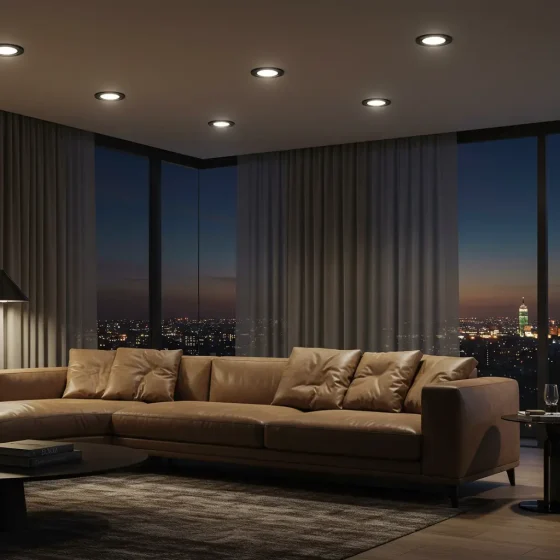
What Are LED Recessed Lights?
LED recessed lights are compact, energy-efficient lighting fixtures that are installed directly into the ceiling or wall, providing recessed illumination. They are known for their sleek design and low-profile, making them ideal for spaces where a traditional light fixture would be too bulky.
One of the major benefits of LED-Einbauleuchten is their long lifespan (up to 50,000 hours), and their energy efficiency. In fact, they use up to 80% less energy than traditional incandescent bulbs, which contributes to significant cost savings on electricity bills over time.
Can LED Recessed Lights Be Covered with Insulation?
The simple answer is it depends on the type of LED recessed light you are using.
IC-Rated LED Recessed Lights
LED recessed lights that are IC-rated (Insulation Contact-rated) are designed specifically to be in direct contact with insulation. These lights are tested and built to handle the heat emitted by the LED bulb without posing a fire hazard or causing damage to the surrounding insulation.
- Safety: IC-rated lights are designed to dissipate heat efficiently and are made with materials that can withstand contact with insulation. This prevents the lights from overheating, which is crucial when installing in areas with limited airflow.
- Anwendung: IC-rated lights are commonly used in attics, insulated ceilings, and other spaces where insulation is present around the fixture.
In general, only IC-rated LED recessed lights should be installed in areas where insulation may come into contact with the light housing.
Non-IC-Rated LED Recessed Lights
On the other hand, non-IC-rated LED recessed lights cannot be covered by insulation. These fixtures are not designed to handle the direct contact with heat-retaining materials like insulation. If insulation covers a non-IC-rated light fixture, the buildup of heat could pose a serious risk of fire or damage to the fixture itself.
- Risk: Non-IC-rated lights need to be installed in areas where insulation is kept at least 3 inches away from the light fixture to ensure proper air circulation and prevent overheating.
- Warning: Installing non-IC-rated recessed lights with insulation could void your warranty and may violate building codes, putting your home at risk.
How to Tell if Your LED Recessed Light Is IC-Rated
Most IC-rated recessed lights will have the “IC” mark on the housing or packaging. Look for terms like “IC” or “Insulation Contact” written on the light or the manufacturer’s specifications to confirm whether or not the light can be covered with insulation.
Why Is It Important to Choose IC-Rated Lights for Insulated Spaces?
1. Fire Safety
Without proper heat management, heat can accumulate within the light fixture and its surrounding materials. IC-rated LED recessed lights are designed with built-in thermal protection to prevent overheating, thus reducing the risk of fires—a significant safety concern in homes with insulation.
2. Energieeffizienz
Since LED lights already provide superior energy efficiency, pairing them with insulation ensures that the room retains the desired temperature while maintaining optimal energy usage. Insulation around IC-rated lights helps to maintain thermal comfort in the home.
3. Building Code Compliance
In many regions, building codes require the use of IC-rated lighting fixtures in areas with insulation to prevent safety hazards. Always check local building codes and regulations to ensure compliance when installing recessed lighting in insulated areas.
Best Practices for Installing LED Recessed Lights with Insulation
Here are some helpful tips to ensure a safe and effective installation of LED recessed lights in spaces with insulation:
1. Choose IC-Rated LED Recessed Lights
As mentioned, always choose IC-rated LED recessed lights for areas where insulation is present. This is the most important step in ensuring safety and efficiency.
2. Properly Space the Lights
For optimal lighting and airflow, space your recessed lights evenly across the ceiling. A common guideline is to place recessed lights 4 to 6 feet apart, depending on the room size and lighting needs.
3. Avoid Overcrowding Insulation
When installing insulation, make sure it’s not tightly packed around the fixture. The IC-rated fixture can withstand direct contact with insulation, but there still needs to be enough space for air circulation to avoid heat buildup.
4. Install a Fire-Resistant Barrier (Optional)
While IC-rated lights are designed to be safe with insulation, installing a fire-resistant barrier around the light fixture can provide an extra layer of safety. This is especially useful in attics or other areas where insulation may be densely packed.
Key Takeaways
- IC-rated LED recessed lights are safe to install in spaces with insulation, as they are designed to handle heat buildup without causing a fire hazard.
- Non-IC-rated lights should never be covered by insulation. Always ensure these lights are installed with proper spacing to allow for adequate ventilation.
- Always follow örtliche Bauvorschriften to ensure compliance and safety.
- Proper installation practices will help you maximize the energy efficiency, safety, and longevity of your lighting fixtures.
Abschluss
If you’re planning to install LED-Einbauleuchten in a space with insulation, it’s essential to use IC-rated fixtures to ensure safety, energy efficiency, and code compliance. By making the right choice and following the best installation practices, you can enjoy the benefits of sleek, modern lighting while keeping your home safe and energy-efficient.