 XHLUX
XHLUX

Table of contents
- What Is an Art Gallery Track Lighting System?
- The Advantages of Art Gallery Track Lighting
- Common Applications of Track Lighting
- Types of Art Gallery Track Lighting Fixtures
- How to Choose the Right Track Lighting System
- 📊 Data Chart: LED vs Halogen Track Lighting Performance
- Frequently Asked Questions (FAQ)
- Conclusion
- Recommended Reading
Lighting is one of the most critical elements in art galleries, museums, and commercial interiors. A painting or sculpture that looks dull under poor lighting can suddenly come alive when illuminated correctly. That’s why curators, architects, and designers often turn to Art Gallery Track Lighting Systems—a flexible, energy-efficient, and professional solution for showcasing artworks and elevating interior spaces.
But what exactly are track lighting fixtures? Why are they considered superior to traditional spotlights or ceiling lamps in art-related environments? And how can gallery owners, hotel managers, or retail designers choose the right system for their space?
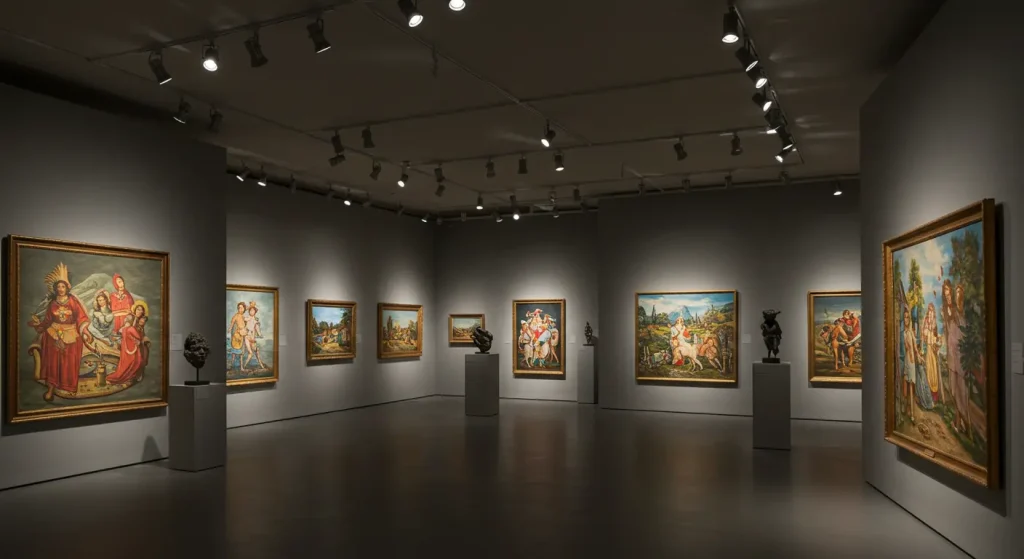
In this comprehensive guide, we’ll dive deep into the definition, advantages, applications, and selection criteria of Art Gallery Track Lighting Systems, while also answering the most common questions professionals ask before installation.
What Is an Art Gallery Track Lighting System?
Definition and Role
An Art Gallery Track Lighting System is a modular lighting setup where individual fixtures are mounted onto a continuous track. The track itself acts as both a physical support and an electrical conductor, enabling multiple lights to be positioned, moved, and angled along the same line.
In art galleries, the main role of track lighting fixtures is to highlight artwork with precision. Unlike general ceiling lights, track lighting allows curators to adjust angles, brightness, and beam spreads depending on the unique requirements of each piece. This adaptability is why it has become the go-to lighting method for modern galleries, exhibitions, and design-focused commercial spaces.
Core Components
A complete track lighting system typically includes:
- Tracks – Linear channels installed on ceilings or walls that provide power and support.
- Lighting Fixtures – The adjustable heads or spotlights that emit light onto artwork.
- Light Sources – LED bulbs are most common today, replacing halogen for better energy efficiency.
- Power & Control Systems – Wiring, connectors, dimmers, and sometimes smart lighting controls that allow flexible operation.
The Advantages of Art Gallery Track Lighting
Flexible Lighting Design
One of the strongest advantages of track lighting fixtures is their flexibility. Unlike fixed ceiling lights, track-mounted lamps can be repositioned easily along the rail, tilted at various angles, and even swapped for different beam widths. This flexibility is crucial for art galleries, where exhibitions often rotate and new works require customized illumination.
High Energy Efficiency and Sustainability
Modern LED track lighting fixtures consume 50–80% less energy compared to halogen lamps. This not only reduces electricity bills but also helps galleries meet sustainability targets. LEDs also emit less heat, which is critical for preserving sensitive artworks like paintings on canvas or antique textiles.
Enhanced Art Display Experience
Well-designed Art Gallery Track Lighting Systems do more than just brighten a room—they shape the visitor’s emotional experience. Controlled beam angles reduce glare, while proper color rendering ensures that pigments and textures are represented faithfully. A strategically lit painting can appear more vivid, detailed, and emotionally engaging.
Common Applications of Track Lighting
Art Galleries and Museums
In professional exhibitions, track lighting fixtures are indispensable. They enable curators to control focus, eliminate shadows, and provide layered illumination. Specialized lenses can soften the light or direct it precisely, enhancing both large-scale installations and delicate miniatures.
Hotels and Restaurants
Beyond galleries, track lighting systems are popular in hospitality. Hotels use them to highlight architectural features, while restaurants leverage them to create a warm and artistic atmosphere. The same principles of focused, adjustable lighting apply—just adapted to branding and guest experience.
Offices and Commercial Spaces
In modern offices and retail stores, track lighting strikes a balance between function and design. For example, fashion retailers use track lighting fixtures to highlight clothing textures, while offices employ them for energy savings and a sleek, minimalist aesthetic.
Types of Art Gallery Track Lighting Fixtures
LED Track Lights vs Halogen Track Lights
- LED Track Lighting: Longer lifespan (up to 50,000 hours), lower energy consumption, and reduced heat output.
- Halogen Track Lighting: Provides warm tones but consumes more energy and generates more heat, making it less suitable for sensitive artworks.
Most galleries today prefer LED track lighting fixtures for their superior efficiency and reduced maintenance costs.
Surface-Mounted vs Recessed Tracks
- Surface-Mounted Tracks: Installed directly onto the ceiling surface, making them visible but easy to maintain.
- Recessed Tracks: Installed flush within ceilings for a cleaner, more seamless look.
The choice depends on design priorities—surface-mounted is practical, while recessed is elegant.
Smart Dimmable Track Lighting
With smart technology, curators can now control brightness, color temperature, and even pre-set lighting scenes via apps or control panels. This level of control makes Art Gallery Track Lighting Systems more dynamic and adaptable than ever.
How to Choose the Right Track Lighting System
Match Artwork Types and Sizes
Smaller art pieces may require narrow-beam spotlights, while larger canvases benefit from wide-angle coverage. Choosing the right beam spread ensures uniform and flattering illumination.
Consider Interior Design Style
A modern gallery with minimalist aesthetics may prefer recessed tracks, while an industrial-style retail store might embrace surface-mounted rails. Track lighting fixtures should complement, not conflict with, the overall design theme.
Work With Lighting Designers or Experts
While many business owners attempt DIY solutions, professional consultation ensures the system’s efficiency, compliance with regulations, and artistic effectiveness. A designer can optimize layout, calculate lux levels, and recommend the best fixtures for long-term ROI.
📊 Data Chart: LED vs Halogen Track Lighting Performance
| Feature | LED Track Lighting Fixtures | Halogen Track Lighting Fixtures |
|---|---|---|
| Average Lifespan | 30,000 – 50,000 hours | 2,000 – 5,000 hours |
| Energy Consumption | 8–20 watts per fixture | 35–75 watts per fixture |
| Heat Emission | Very Low | High |
| Color Rendering (CRI) | 80–95 (Excellent) | 90+ (Excellent, but hot) |
| Maintenance Costs | Low | High (frequent replacements) |
| Suitability for Art | Excellent | Moderate (heat risk) |
This comparison makes it clear why most galleries and museums are transitioning toward LED track lighting systems for both sustainability and artwork protection.
Frequently Asked Questions (FAQ)
Q1: What is the difference between track lighting and regular spotlights?
A spotlight is a standalone fixture, while a track lighting system uses a continuous rail with adjustable, movable lamps. This makes track systems far more versatile for galleries and exhibitions.
Q2: Why do art galleries prefer LED track lighting fixtures?
Because LEDs save energy, last longer, emit minimal heat, and provide excellent color rendering—all essential for protecting and enhancing art.
Q3: Do track lighting systems require a lot of maintenance?
Not with LED fixtures. Unlike halogen lamps that need frequent bulb changes, LED track lighting typically lasts for years with minimal upkeep.
Q4: Can track lighting be used in residential spaces?
Yes, many homeowners now install track systems in living rooms, kitchens, or home art studios. The same flexibility and modern aesthetic make them practical beyond commercial use.
Q5: How do I know how many track lights I need for my gallery?
It depends on room size, ceiling height, and the number of artworks. A lighting designer can perform a lux level calculation to determine fixture count and placement for even coverage.
Conclusion
Art Gallery Track Lighting Systems have revolutionized how we illuminate and experience art. With unmatched flexibility, energy efficiency, and visual precision, they are now the standard for museums, galleries, hotels, and modern commercial interiors.
When chosen carefully—considering beam spreads, design compatibility, and energy-saving benefits—track lighting fixtures can significantly enhance both the aesthetics and functionality of a space.
If you are planning a new exhibition, renovating a gallery, or designing a commercial venue, investing in a professional track lighting system is a decision that pays off in both performance and long-term savings.
✨ Looking for tailored solutions? Contact a lighting expert to design the perfect Art Gallery Track Lighting System for your space.
Recommended Reading
Why Track Lighting Matters in Art Galleries
Track Lighting vs Spotlights for Art Displays
7 Benefits of Track Lighting in Commercial Projects
Why Distributors Choose LED Track Lighting Systems