 XHLUX
XHLUX

Lighting is no longer just a technical necessity—it has become a strategic design element in commercial spaces. From offices and hotels to restaurants and retail stores, the right lighting directly impacts energy bills, customer experiences, employee productivity, and long-term maintenance costs.
In recent years, the global shift toward LED lighting for commercial projects has accelerated. Businesses and architects are moving away from traditional fluorescent or halogen fixtures, choosing LED solutions that offer superior efficiency, long lifespan, and modern design flexibility.
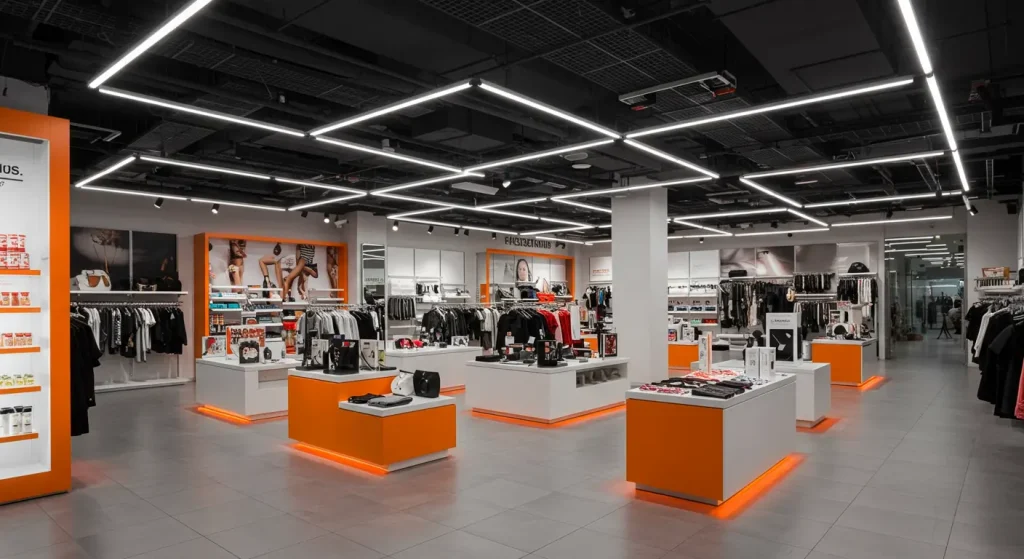
But with so many options in the market, how do you choose the right LED lights for your project? This guide breaks it down step by step.
1. Why LED Lighting Matters for Commercial Projects
Lighting is one of the largest contributors to energy use in commercial buildings. According to the U.S. Department of Energy, LED lighting can reduce energy consumption by 50–75% compared to conventional systems. Beyond energy savings, LEDs provide:
- Longer lifespan (often 50,000+ hours of use)
- Better quality of light, including higher color rendering
- Design versatility, from linear pendant lights to recessed downlights
- Lower maintenance costs
For architects, designers, and contractors, choosing the right LED system can make the difference between a space that feels ordinary and one that feels inspiring, efficient, and future-proof.
2. Key Factors to Consider When Choosing LED Lights
When selecting LED lights for commercial projects, you need to balance technical performance, user comfort, and design intent. Let’s look at the most important factors.
2.1 Energy Efficiency & Cost Savings
- Wattage & Luminous Efficacy (lm/W): A high-quality LED fixture should provide more lumens with fewer watts. Aim for 100–150 lm/W for optimal efficiency.
- Long-Term ROI: While upfront LED costs may be higher, savings in electricity bills and maintenance pay back within 2–3 years for most commercial installations.
📌 Example: Switching from 400W metal halide fixtures to 150W LED high bays in a warehouse reduces annual energy costs by over 60%.
2.2 Brightness & Light Quality
- Lumens (Brightness): Match fixture brightness to room size. Offices generally require 300–500 lux, while retail stores may need 700+ lux for product visibility.
- CRI (Color Rendering Index): A CRI above 80 is acceptable for most projects, but retail and hospitality benefit from IRC 90+ to highlight colors more accurately.
- Flicker-Free Technology: Reduces eye strain and headaches for employees and customers.
2.3 Color Temperature & Ambience
Choosing the right Kelvin temperature is critical for setting mood and function:
- 2700–3000K (Warm White): Cozy, inviting; perfect for restaurants, hotels, and lounges.
- 3500–4000K (Neutral White): Balanced lighting; ideal for retail stores, lobbies, and public areas.
- 5000K+ (Cool White): Crisp, daylight-like; suited for offices, conference rooms, and hospitals.
📌 Tip: Combine multiple color temperatures within a project. For example, use warm light in lounges e cooler light in offices for maximum comfort.
2.4 Fixture Types & Applications
Different commercial spaces demand different fixture styles:
- Linear Pendant Lights – Sleek, suspended fixtures that work well in offices, hotels, and open lobbies.
- Downlights & Spotlights – Ideal for restaurants, retail, and accent lighting.
- Panel Lights – Efficient for large offices and classrooms.
- Trilhos de luz – Flexible, adjustable options for showrooms and galleries.
- Wall Washers & LED Strips – Perfect for creating ambiance or highlighting architectural details.
2.5 Smart & Dimmable Features
Modern smart LED lighting systems add flexibility:
- Controle de intensidade luminosa (0-10V, DALI, or Bluetooth) allows different lighting moods.
- Motion Sensors save energy in low-traffic areas like corridors or restrooms.
- App & Voice Control integrates with building automation systems.
For commercial spaces where experience matters—like retail or hospitality—these features enhance both functionality and customer satisfaction.
2.6 Certifications & Safety Standards
Always verify that fixtures comply with international standards:
- UL / ETL – Safety compliance in North America.
- CE & RoHS – European certification for safety and environmental standards.
- DLC (DesignLights Consortium) – High efficiency and rebate eligibility.
- Fire & Emergency Compliance – Crucial for hotels, hospitals, and high-traffic public spaces.
📌 Warning: Using non-certified fixtures may lead to fire hazards, insurance issues, or building code violations.
3. Matching LED Lights with Different Commercial Spaces
Different commercial environments have unique lighting needs.
📊 Commercial Lighting Recommendations Table
| Tipo de espaço | Recommended Fixtures | Ideal Color Temperature | Key Considerations |
|---|---|---|---|
| Escritórios | Linear pendant lights, panel lights | 4000–5000K (Cool White) | Even light distribution, glare reduction |
| Hotéis | Decorative pendants, wall sconces | 2700–3000K (Warm White) | Create a welcoming, luxury ambiance |
| Restaurantes | Downlights, dimmable pendants | 2700–3500K | Mood lighting with flexible brightness |
| Lojas de varejo | Track lights, spotlights | 3500–4000K, CRI 90+ | Enhance product visibility & color accuracy |
| Education/Healthcare | Panel lights, linear pendants | 4000–5000K | Non-flicker, natural light simulation |
4. Common Mistakes to Avoid When Choosing LED Lights
Even experienced buyers sometimes overlook key details. Avoid these pitfalls:
- Focusing only on price – Cheaper lights often have shorter lifespans and lower efficiency.
- Ignoring ceiling height and layout – The wrong beam angle or length can cause uneven illumination.
- Overlooking certifications – Non-certified products may be unsafe and fail inspections.
- Skipping after-sales support – No warranty or spare parts leads to higher costs later.
5. Why Work With a Professional LED Manufacturer or Supplier
Not all suppliers are equal. Working with a professional LED lighting manufacturer ensures:
- ODM/OEM Capabilities: Custom designs, lengths, and color finishes for unique projects.
- Technical Support: Lighting layout design, photometric simulations, and product recommendations.
- Proven Project Experience: Case studies in offices, hotels, retail, and educational buildings.
- After-Sales Guarantee: Warranty coverage, spare parts, and technical service.
📌 Pro Tip: For large projects, request IES files to test lighting simulations before installation.
6. Summarize
Choosing the right LED lighting for commercial projects is not just about brightness—it’s about efficiency, comfort, ambiance, and safety. From linear pendant lights em escritórios para iluminação de trilho in retail spaces, the right fixture can transform both the design and performance of a building.
To ensure long-term success, always:
- Match fixtures to the space and function.
- Consider energy efficiency, CRI, and color temperature.
- Work with a certified, experienced manufacturer.
👉 Ready to start your project?
- Get a free lighting consultation from our team of experts.
- Download our LED product catalog for detailed specifications.
- Contact us today for customized solutions or wholesale pricing.
Lighting is more than illumination—it’s an investment in your business success.