 XHLUX
XHLUX

In the world of commercial design and construction, managing project budgets is a constant battle. For high-volume items like lighting, every percentage point saved on procurement can translate into significant gains in profitability or allow for higher-spec finishes elsewhere. This reality has made the concept of buying commercial track lighting at factory prices the ultimate goal for savvy contractors, developers, retailers, and designers.
The allure is undeniable: by cutting out the layers of middlemen, you access the lowest possible price point, maximizing your budget and competitive edge. However, the path to true factory-direct sourcing is not a simple online transaction. It is a professional procurement strategy, a discipline that requires diligence, technical knowledge, and a clear understanding of the global supply chain. It is a world with immense rewards for those who navigate it correctly and significant risks for the unprepared.
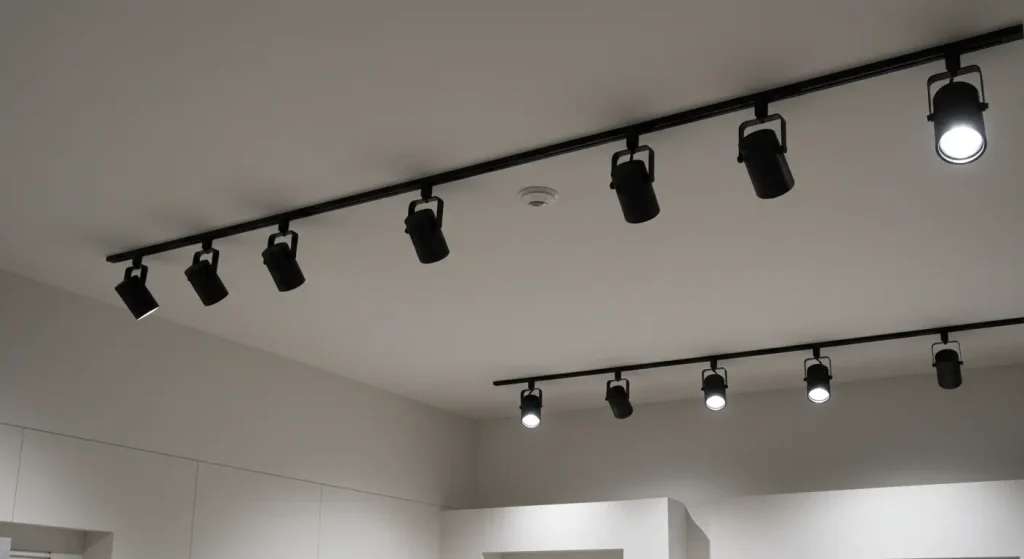
This guide is your definitive playbook for this process. We will demystify what “factory pricing” truly means and provide a clear framework to determine if this strategy is right for you. We will then walk you through the actionable steps of how to find, vet, and transact with a manufacturing partner, transforming you from a simple customer into a sophisticated global buyer.
Why “Factory Direct” is the End Goal
To understand the opportunity, you must first understand the traditional supply chain. When a track light is manufactured, it passes through several hands before it reaches a job site, with each step adding a margin to the cost.
The Traditional Distribution Channel:
- Manufacturer: Designs, engineers, and produces the fixture. This is the source.
- Importer / Master Distributor: Buys in massive container-load volumes, handling international logistics, customs, and warehousing.
- Regional Distributor: Buys from the importer and sells within a specific geographic area (e.g., the West Coast).
- Local Electrical Wholesaler: Buys from the regional distributor and sells to local contractors.
- Contractor / End-User: The final purchaser who installs the product.
When you buy commercial track lighting factory direct, your goal is to bypass as many of these layers as possible, ideally transacting directly with the entity at Step 1. This is where the most significant cost savings are realized.
Is a Direct Sourcing Strategy Right for You?
Before you spend a single minute searching for suppliers, you must honestly assess if your business is suited for this procurement model. This is not a strategy for every project.
Ask yourself these critical questions:
- Do I have sufficient volume? Direct sourcing is a volume game. Manufacturers have Minimum Order Quantities (MOQs). This strategy is ideal for retail chains outfitting multiple stores, developers building large residential or commercial projects, or wholesalers stocking inventory. It is generally not viable for a single small office or residential renovation.
- Do I have a flexible timeline? The factory-direct timeline includes production (4-6 weeks), ocean freight (4-5 weeks), and customs clearance (1 week). You must have a project schedule that can accommodate a 10-14 week lead time, at minimum. This is not a solution for quick-turnaround jobs.
- Do I have the technical expertise? You will be acting as the specifier. You must be able to read a datasheet and definitively specify the required CCT, CRI, beam angle, driver type (e.g., 0-10V, DALI), and required certifications (UL/ETL). There is no local sales rep to guide you.
- Am I prepared to manage logistics? You will be the importer. This involves managing international payments, freight forwarders, customs brokers, tariffs, and final-mile delivery.
- What is my risk tolerance? If a product is defective, you cannot simply return it to a local store. Managing warranty claims and quality control with an overseas partner requires patience and a clear, pre-negotiated agreement.
The Verdict: If you answered “yes” to these questions, you are a prime candidate for a direct sourcing strategy. If not, the value-added services of a quality domestic distributor or wholesaler are likely a better fit for your business model.
How to Find and Vet a True Manufacturing Partner
Once you’ve determined you’re a good fit, the hunt for a reliable partner begins.
1. Digital B2B Marketplaces
Platforms like Alibaba, Made-in-China.com, and Global Sources are the largest directories of global manufacturers.
- Pro Tips for Vetting: Look for “Verified Suppliers” with a significant number of years in business (5+ is a good start). Review their transaction history and certifications. Be wary of unusually low prices, as this often indicates a trading company, not a true factory.
2. Industry Trade Shows
Events like LightFair International (in the U.S.) and Light + Building (in Frankfurt, Germany) are invaluable. They allow you to meet with factory owners and engineers face-to-face, handle the products, and assess their professionalism directly.
3. Direct Outreach to OEM/ODM Manufacturers
This is the professional’s choice. Many of the world’s best lighting manufacturers operate as OEM/ODM (Original Equipment/Design Manufacturer) partners. They don’t market their own brand heavily; instead, they are the engineering and production force behind many of the high-end commercial lighting brands you already know.
- A Prime Example: A company like XHLUX represents this category perfectly. They are a vertically integrated manufacturer with deep expertise in engineering and producing high-spec commercial lighting, including a vast portfolio of commercial track systems. Approaching a proven OEM/ODM partner like this directly is a powerful strategy for professionals seeking a true factory partnership built on quality and technical capability.
4. The Critical Due Diligence Checklist:
- Request Samples: Never place a bulk order without first ordering and rigorously testing samples. Check the build quality, light quality, and finish.
- Verify Certifications: Ask for PDF copies of their UL/ETL and DLC documentation. A professional manufacturer will provide these instantly. Pro Tip: Use the public search database on the UL or Intertek website to verify the certificate number is authentic and applies to the specific product you are buying.
- Conduct a Video Factory Tour: Ask the sales representative to give you a live video tour of their production line, testing labs, and showroom. This is a great way to gauge the scale and professionalism of their operation.
- Assess Communication: Is their sales and technical team responsive, professional, and fluent in English? Clear and timely communication is the bedrock of a successful overseas partnership.
What You Need to Know From Purchase Order to Port
Once you’ve selected a partner, the formal transaction process begins.
- The Ironclad Purchase Order (PO): Your PO must be incredibly detailed. Specify every single parameter: model number, quantity, exact CCT (e.g., 3000K), CRI (e.g., 90+), voltage, driver type and brand, beam angle, finish color, labeling requirements, and packaging specifications.
- Understanding Payment Terms: The most common structure is a T/T (Telegraphic Transfer) payment of 30-50% deposit to begin production and the remaining balance due upon completion before the goods are shipped.
- Mastering Incoterms: These international commercial terms define who is responsible for the goods at each stage.
| Incoterm | Stands For | What It Means for You (The Buyer) |
|---|---|---|
| EXW | Ex Works | Your responsibility begins at the factory door. You must arrange and pay for all transportation from the factory to your warehouse. Offers the lowest product price but highest logistical burden. |
| FOB | Free On Board | The factory is responsible for getting the goods to the designated port and clearing them for export. Your responsibility begins once the goods are on the ship. This is the most common and balanced option. |
| DDP | Delivered Duty Paid | The factory is responsible for everything, including shipping, customs, tariffs, and final delivery to your door. This is the simplest option but includes all associated costs in the price. |
- Hiring a Freight Forwarder: Unless you are buying DDP, you will need a freight forwarder. They are the travel agent for your cargo, managing the ocean freight booking, documentation, and coordination.
The Hidden Costs and Realities of Buying Direct
“Factory price” is not the final landed price. You must budget for these additional costs:
- International Shipping/Freight: Can be a significant cost, especially for large orders.
- Insurance: To protect your goods during transit.
- Import Tariffs and Duties: These are taxes levied by your country’s government. For U.S. buyers importing from China, this can be a substantial percentage and is a critical part of your cost calculation.
- Customs Brokerage Fees: The fee paid to a licensed broker to clear your goods through customs.
- Inland Delivery: The cost to transport the goods from the port to your final destination.
- Warranty & Returns: Reverse logistics are complex and expensive. Most factory warranties cover product replacement but not the labor to uninstall the faulty unit or the cost to ship the replacement.
Conclusão
Buying commercial track lighting at factory prices is a powerful and highly rewarding strategy for the right business. It is a path for those who operate at scale, can manage longer timelines, and are willing to engage deeply in the procurement process. It requires a fundamental shift in mindset: you are no longer just a customer buying a product off a shelf; you are becoming a direct partner in a global supply chain.
For those who meet the criteria, the benefits are clear—dramatically lower costs, greater control over product specifications, and a significant competitive advantage. By following this playbook, conducting rigorous due diligence, and embracing the role of a professional procurer, you can unlock the immense value of sourcing direct and elevate your business to a new level of efficiency and profitability.