 XHLUX
XHLUX

Índice
- What is Linear Lighting?
- Direct Linear Lighting Explained
- Indirect Linear Lighting Explained
- Direct vs Indirect Lighting Comparison
- Hybrid Lighting Design: Direct + Indirect Linear Lighting
- How to Choose the Right Lighting for Your Project
- Data Insight: Energy and Performance Comparison
- Conclusão
- FAQ About Indirect Linear Lighting
Lighting design is more than just illumination—it’s about shaping how people experience a space. In modern architecture, iluminação linear has become a favorite among designers, architects, and contractors for its clean lines, flexibility, and contemporary aesthetics.
However, when it comes to choosing between direct e indirect linear lighting, many professionals struggle to decide which approach suits their project best. Both offer unique benefits, visual effects, and energy performance characteristics.
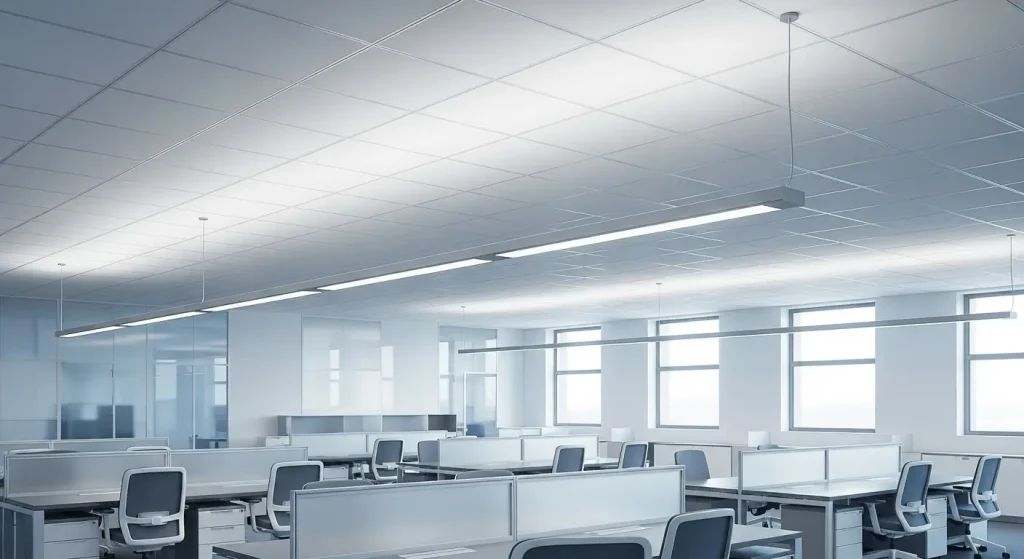
This article will help you understand the differences, advantages, and best use cases for Direct vs Indirect Linear Lighting, so you can make an informed decision that enhances both function and aesthetics in your next project.
What is Linear Lighting?
Linear lighting refers to lighting systems that use long, narrow fixtures—usually with LED light sources—to deliver smooth, continuous illumination. Unlike traditional point lights or downlights, linear lights provide even distribution, modern appeal, e architectural flexibility.
Applications of Linear Lighting
Linear lights are widely used in:
- Office environments
- Retail and commercial spaces
- Hotels and restaurants
- Residential interiors
- Galleries and exhibition halls
Types of Linear Fixtures
Depending on the mounting method, linear lights come in several configurations:
- Surface-mounted: easy installation on flat surfaces
- Suspended (Pendant): ideal for open ceilings or workspace lighting
- Recessed: seamless integration into ceilings or walls
- Magnetic track systems: modular, flexible solutions for modern designs
These fixtures can deliver direct, indirect, or a combination of both lighting distributions—each serving different visual and functional purposes.
Direct Linear Lighting Explained
1. Definition and Principle
Direct lighting emits light directly from the source toward the illuminated area. It provides high brightness and maximum efficiency, making it suitable for spaces requiring clear, functional light.
2. Advantages of Direct Linear Lighting
- High luminous efficacy: Efficiently converts electricity into visible light.
- Focused illumination: Perfect for task lighting, highlighting work surfaces or merchandise.
- Energy saving: Less light loss due to reflection or diffusion.
- Easy to control: Beam angle and intensity can be precisely directed where needed.
3. Disadvantages
- Potential glare: Excessive brightness can cause visual discomfort.
- Harsh ambiance: Light may feel too strong or clinical in decorative settings.
4. Ideal Applications
- Office workstations
- Retail display areas
- Exhibition halls
- Industrial and warehouse lighting
- Educational and healthcare facilities
Tip: Usar anti-glare lenses, diffusers, ou UGR<19 designs to minimize glare while maintaining high illumination levels.
Indirect Linear Lighting Explained
1. Definition and Principle
Indirect lighting directs light upward or toward reflective surfaces (such as ceilings or walls), which then scatter the light softly throughout the room. This creates a gentle, ambient glow without harsh shadows or glare.
2. Advantages of Indirect Linear Lighting
- Comfortable illumination: Soft, diffused light enhances visual comfort.
- Aesthetic appeal: Adds depth and luxury to interior spaces.
- Uniform brightness: Reduces contrast between light and shadow.
- Ideal for mood lighting: Perfect for creating cozy, elegant environments.
3. Disadvantages
- Lower efficiency: Some light is lost due to reflection.
- Complex installation: Requires careful ceiling or wall design for proper diffusion.
4. Ideal Applications
- Hotel lobbies and corridors
- Residential living rooms and bedrooms
- Restaurants and lounges
- Art galleries and showrooms
- Cinemas and high-end retail
Dica profissional: Combine indirect lighting with warm white tones (2700K–3000K) to achieve an inviting, premium feel.
Direct vs Indirect Lighting Comparison
| Recurso | Direct Lighting | Indirect Lighting |
|---|---|---|
| Light Direction | Directly illuminates the target area | Reflects light via ceiling or wall surfaces |
| Efficiency (lm/W) | 100–140 lm/W | 70–100 lm/W |
| Visual Comfort | Bright, but may cause glare | Soft, comfortable, glare-free |
| Design Complexity | Simple and straightforward | Requires design coordination |
| Mood/Atmosphere | Functional, energetic | Elegant, relaxing |
| Ideal para | Offices, retail, workshops | Hotels, homes, galleries |
Hybrid Lighting Design: Direct + Indirect Linear Lighting
Modern lighting design often combines direct and indirect illumination to balance performance and atmosphere. This hybrid approach provides:
- Balanced brightness: Direct light for function, indirect for ambiance.
- Visual comfort: Reduced glare and eye strain.
- Enhanced aesthetics: Adds dimensionality to architectural spaces.
Example Use Cases
- Office spaces: Direct light on desks + indirect ceiling glow for a comfortable work environment.
- Retail stores: Highlight products while creating a welcoming atmosphere.
- Showrooms or galleries: Accent lighting on displays with soft background diffusion.
Integration with Smart Control Systems
Advanced technologies like DALI, Escurecimento de 0-10V, ou Tuya Smart Control allow users to:
- Adjust color temperature and brightness dynamically
- Automate lighting schedules
- Improve energy efficiency and comfort
Combining direct and indirect lighting with smart controls enables designers to achieve human-centric lighting—optimized for well-being, productivity, and visual appeal.
How to Choose the Right Lighting for Your Project
When deciding between direct and indirect lighting, consider the following factors:
1. Functionality of the Space
- Work areas → Direct lighting ensures task visibility.
- Relaxation zones → Indirect lighting enhances comfort.
- Mixed-use spaces → Combine both types for flexibility.
2. Ceiling Height and Reflective Surfaces
Indirect lighting performs best in spaces with high or light-colored ceilings that can reflect light effectively.
3. Energy Efficiency and Maintenance
Direct lighting may offer higher efficiency, but indirect systems can improve conforto visual e reduce fatigue, which are equally important for human-centric environments.
4. Design Aesthetics
Choose lighting that aligns with your interior concept—modern minimalism, industrial chic, ou luxury hotel style can all benefit from tailored linear lighting layouts.
Data Insight: Energy and Performance Comparison
| Métrica | Direct Lighting | Indirect Lighting | Hybrid System |
|---|---|---|---|
| Average Efficiency (lm/W) | 120 | 90 | 105 |
| Glare Index (UGR) | 22 | <16 | <19 |
| Comfort Score (1–10) | 6 | 9 | 8 |
| Installation Cost (USD/m) | 25–35 | 30–45 | 40–55 |
| Maintenance Frequency (per year) | 1–2 | 1 | 1 |
Source: Lighting Design Research Center, 2024 Survey
Conclusão
Ambos direct e indirect linear lighting offer distinct benefits.
- If your goal is performance, clarity, and task illumination, go for direct lighting.
- If you prioritize ambiance, comfort, and visual harmony, iluminação indireta is the better fit.
- For modern commercial or architectural applications, combining both achieves the perfect balance between function and aesthetics.
👉 Contact us today to explore our range of LED linear lighting solutions, request free samples, or get a custom lighting design consultation for your next project.
FAQ About Indirect Linear Lighting
1. Is indirect lighting less energy-efficient than direct lighting?
Yes, indirect lighting has slightly lower luminous efficiency because part of the light is reflected. However, it enhances comfort and reduces glare, making it ideal for hospitality and residential projects.
2. Can I use both direct and indirect lighting together?
Absolutely. Hybrid systems are popular in offices, retail stores, and luxury interiors to balance brightness and ambiance.
3. What color temperature works best for indirect lighting?
Warm white (2700–3000K) is preferred for relaxing environments, while neutral white (4000K) works well in multifunctional spaces.
4. Are linear lights suitable for smart lighting control?
Yes. Modern LED linear fixtures support DALI, 0-10V, e Tuya systems for dynamic control of brightness, color temperature, and energy usage.
5. How do I reduce glare in direct lighting installations?
Choose fixtures with low UGR ratings (<19) e optical diffusers to minimize direct light intensity on the eyes.