 XHLUX
XHLUX

Lighting in an art gallery is more than just illumination—it is an essential part of the visitor’s experience and the artwork’s presentation. The right lighting can reveal textures, highlight details, and create the perfect ambiance that enhances the emotional impact of each piece. Among the many options available today, Iluminação de trilho LED has emerged as one of the most effective and versatile solutions for gallery environments.
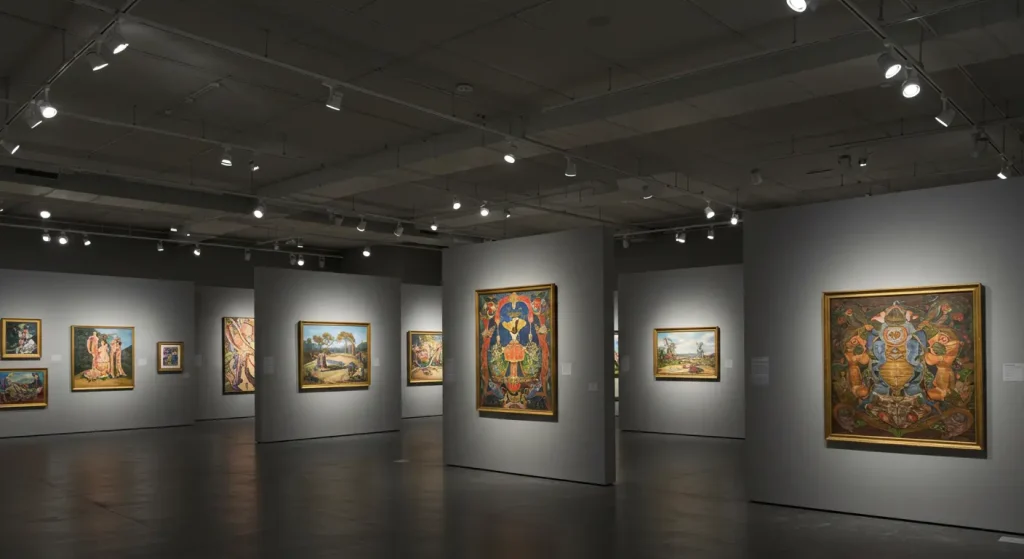
In this article, we explore the key benefits of LED track lighting in art gallery spaces, why curators and designers prefer it, and how it balances energy efficiency with artistic precision.
🎨 Why Lighting Matters in Art Galleries
- Visual Impact – The human eye perceives color, depth, and texture differently under varying lighting conditions.
- Preservation – Paintings, sculptures, and textiles are sensitive to UV radiation and heat; poor lighting can accelerate deterioration.
- Flexibilidade – Galleries frequently rotate exhibits, requiring adaptable lighting systems.
A 2024 report by MarketsandMarkets projects that the global museum and gallery lighting market will grow at 8.5% annually, largely driven by the adoption of LED solutions for their precision, efficiency, and sustainability.
✅ Key Benefits of LED Track Lighting in Art Gallery Spaces
1. Precision Lighting Control
LED track lighting fixtures allow curators to direct light exactly where it is needed. Spotlights can highlight a single painting, while broader beam spreads can illuminate sculptures or installations. Adjustable heads provide museum-grade flexibility, making them perfect for ever-changing exhibitions.
📌 Example: In the Louvre Abu Dhabi, LED track lighting is used to control glare while enhancing the fine details of ancient manuscripts.
2. True-to-Life Color Rendering (CRI > 90)
Art depends on accurate color perception. LEDs with a high Color Rendering Index (CRI) (90+) ensure that reds, blues, and subtle tones appear as the artist intended. Unlike older halogen lamps, LEDs maintain consistent color quality without yellowing over time.
| Tipo de iluminação | Average CRI | Emissão de calor | UV Radiation |
|---|---|---|---|
| Halogen | 95 | Alto | Moderado |
| Fluorescent | 70–85 | Médio | Alto |
| Trilho de luz LED | 90–98 | Baixo | Nenhum |
3. Energy Efficiency & Cost Savings
According to the U.S. Department of Energy, LED lighting consumes up to 80% less energy than halogen bulbs. For galleries that operate 10–12 hours daily, this results in substantial savings on electricity bills and HVAC cooling costs (since LEDs emit less heat).
💡 Case Study: The Museum of Modern Art (MoMA) in New York reported significant energy reductions after switching to LED-based track lighting systems.
4. Minimal Heat & UV Emission
Heat and ultraviolet (UV) rays are detrimental to delicate artworks. Traditional halogen lamps emit both, leading to fading pigments and material degradation. LED track lights emit virtually no UV or infrared radiation, making them the safest choice for preserving fine art.
5. Flexibility for Rotating Exhibitions
Art galleries often change displays to keep collections dynamic. With suspended or surface-mounted sistemas de iluminação de trilho LED, curators can easily adjust fixture positions, beam angles, and intensity without needing to rewire or renovate.
🔧 Practical Advantage: Installations can be modified in minutes, saving time and reducing operational costs.
6. Dimming & Smart Control Options
Modern LED track lights integrate with DALI, 0-10V, or Casambi smart control systems, allowing precise dimming and scene-setting. Galleries can create unique moods for exhibitions, from dramatic spotlighting for sculptures to uniform ambient lighting for contemporary pieces.
7. Sustainability and Green Building Compliance
Sustainability is increasingly important in cultural institutions. LED systems not only reduce energy consumption but also help galleries meet LEED and BREEAM certification standards, enhancing their reputation for environmental responsibility.
📌 Expert Insight
Lighting designer Michael Grubb states:
“LED track lighting provides curators with unparalleled flexibility and control. It ensures art is displayed authentically while supporting long-term conservation and reducing energy use.”
🔍 Choosing the Right LED Track Lighting for Galleries
When selecting LED track lighting for an art gallery, curators should consider:
- CRI and CCT: Aim for CRI > 90 and adjustable color temperatures (2700K–4000K).
- Beam Angles: Narrow beams (10°–20°) for accents, wider beams (30°–60°) for general lighting.
- Control Compatibility: Ensure integration with dimming and smart control systems.
- Aesthetic Design: Minimalist, track-mounted designs that blend seamlessly into gallery architecture.
Conclusão
LED track lighting is revolutionizing art gallery spaces by combining precision illumination, energy efficiency, and artwork preservation. It not only enhances the visitor experience but also protects valuable collections for future generations.
For curators, architects, and lighting designers, the shift to LED track lighting in art galleries is no longer a trend but an essential standard.