 XHLUX
XHLUX
Table of contents
- What Is a Suspended Magnetic Track Light?
- Key Advantages of Suspended Magnetic Track Lights
- Applications of Suspended Magnetic Track Lights
- Suspended Magnetic Track Lights vs. Other Lighting Systems
- How to Choose the Right Suspended Magnetic Track Light
- Procurement and Supply Chain Guide
- FAQ: Suspended Magnetic Track Lights
- Conclusion
Lighting is one of the most critical elements in interior design and commercial space planning. The right lighting not only enhances aesthetics but also improves functionality, atmosphere, and even customer behavior. In recent years, suspended magnetic track lights have become a top choice for architects, interior designers, and business owners looking for flexibility, modern style, and efficient illumination.
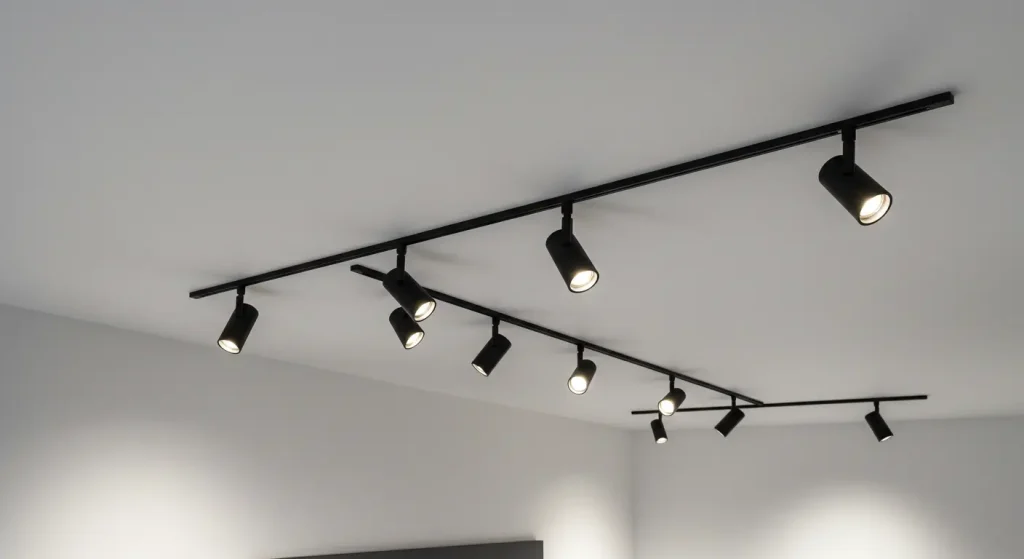
But what exactly is a suspended magnetic track light? How does it work, and why is it considered superior to many traditional lighting solutions? This guide provides a complete overview, covering everything from product definition, benefits, applications, comparisons, purchase tips, and supplier guidance to help you make the best choice for your projects.
Whether you are a commercial space designer, contractor, hotel or restaurant owner, or a lighting wholesaler, this guide will give you actionable insights backed by expertise, data, and industry best practices.
What Is a Suspended Magnetic Track Light?
A suspended magnetic track light is a modern lighting system that integrates advanced magnetic technology with a suspended (hanging) track design. Unlike conventional fixed lighting, this system uses magnetic connectors that allow light modules to be easily attached, moved, and replaced on the track without complex rewiring.
Structure and Components
- Track: The suspended rail that holds the lighting modules. It is mounted to the ceiling with hanging rods or wires, creating a “floating” appearance.
- Power Supply: Low-voltage current (typically 24V or 48V) runs through the track, safely powering the magnetic fixtures.
- Lighting Modules: LED-based modules such as spotlights, floodlights, linear bars, or pendants that can be snapped onto the track magnetically.
How It Differs from Other Types
- Suspended vs. Recessed: Suspended tracks hang below the ceiling, while recessed tracks are hidden inside the ceiling structure. Suspended systems are easier to install in existing buildings.
- Suspended vs. Surface-Mounted: Surface-mounted tracks attach directly to the ceiling; suspended tracks create a more stylish, floating effect with greater design flexibility.
Working Principle
Using electrical conductivity through magnetic contacts, each light module receives stable power. Because of the magnetic mechanism, modules can be moved instantly without tools—perfect for dynamic spaces where lighting needs change frequently.
Key Advantages of Suspended Magnetic Track Lights
1. Flexibility
Designers can reposition or replace light modules easily to match evolving layouts. Retailers and galleries, for example, can highlight different products or artworks with minimal effort.
2. Aesthetic Appeal
The slim, minimalist profile of suspended tracks blends seamlessly with modern architecture. The floating effect adds elegance to offices, hotels, and luxury residences.
3. Easy Installation
Suspended systems require less ceiling modification compared to recessed systems. They are ideal for renovations or open ceilings.
4. Smart Control Integration
Many suspended magnetic track systems support dimming, color temperature adjustment, and smart home/IoT control. This makes them compatible with advanced building automation.
5. Low Maintenance
Since modules are easy to replace or upgrade, maintenance costs are reduced. LED technology ensures long lifespan and energy efficiency.
Applications of Suspended Magnetic Track Lights
Suspended magnetic track lights are versatile and can be used in:
- Commercial Spaces: Shopping malls, showrooms, and retail stores benefit from dynamic lighting to highlight products.
- Offices: Perfect for open-plan areas, meeting rooms, and co-working spaces where flexible illumination is needed.
- Hospitality: Hotels, restaurants, and cafes use suspended tracks to create ambience while maintaining practicality.
- Residential: High-end apartments and villas adopt suspended systems for modern, minimalistic living spaces.
Suspended Magnetic Track Lights vs. Other Lighting Systems
| Feature | Suspended Magnetic Track Light | Recessed Magnetic Track Light | Traditional Track Light | Pendant/Downlight |
|---|---|---|---|---|
| Installation Complexity | Moderate | High (requires ceiling cut) | Moderate | Low |
| Flexibility (Reposition Modules) | Excellent | Good | Limited | None |
| Aesthetic Appeal | Modern, floating effect | Seamless, hidden | Visible track | Decorative only |
| Maintenance | Easy (modular replacement) | Moderate | Average | Difficult |
| Smart Integration | High | High | Low | Low |
This comparison clearly shows why suspended magnetic track lights are increasingly favored in modern commercial and residential projects.
How to Choose the Right Suspended Magnetic Track Light
- Lighting Requirements: Consider the function of the space. Offices may need cooler tones (4000–5000K), while restaurants benefit from warmer tones (2700–3000K).
- Design Style: Match the track color and suspension type (wire or rod) to the interior aesthetics.
- Quality Evaluation: Look for high-quality aluminum housing, reliable drivers, and certifications (CE, RoHS, UL).
- Supplier Communication: Work directly with manufacturers for OEM/ODM customization, better pricing, and technical support.
Procurement and Supply Chain Guide
For wholesalers and contractors, choosing the right factory or supplier is crucial.
- MOQ and Lead Time: Check minimum order requirements and typical production times.
- Factory vs. Trading Company: Direct factory sourcing ensures better pricing and quality control.
- International Certifications: Essential for export projects in Europe, North America, and the Middle East.
- Avoiding Risks: Always request samples, factory audits, and written contracts before bulk orders.
FAQ: Suspended Magnetic Track Lights
Q1: Are suspended magnetic track lights safe?
Yes. They operate on low-voltage systems (24V/48V), making them safe and efficient.
Q2: Can I integrate them with smart lighting systems?
Most high-quality systems support smart dimming, sensors, and app-based control.
Q3: Are they suitable for low ceilings?
Suspended systems require ceiling height clearance. For low ceilings, recessed magnetic track lights may be better.
Q4: How long do the LEDs last?
On average, LEDs in magnetic track systems last 30,000–50,000 hours, depending on usage.
Q5: Can I order custom designs from factories in China?
Yes. Many Chinese manufacturers offer OEM/ODM services, allowing customization of size, color, and beam angle.
Conclusion
Suspended magnetic track lights represent the future of flexible, modern, and intelligent lighting solutions. Their modular design, sleek aesthetics, easy installation, and compatibility with smart systems make them ideal for commercial, hospitality, office, and even high-end residential projects.
For designers, contractors, and wholesalers, choosing a reliable LED magnetic track light factory is the key to ensuring quality, performance, and long-term value.
👉 Ready to explore suspended magnetic track lights for your next project?
- Contact a certified supplier or manufacturer in China
- Request product catalogs and free samples
- Get bulk pricing for wholesale or project-specific needs
With the right choice, you’ll not only upgrade your project’s lighting but also enhance the overall design and user experience.