 XHLUX
XHLUX
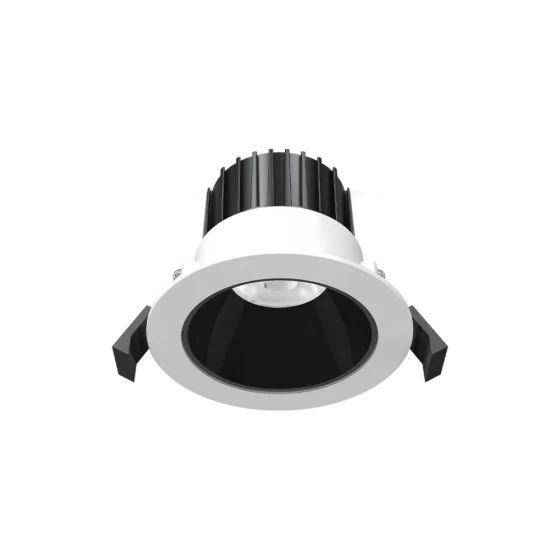
As we head into 2025, the demand for sleek, energy-efficient lighting solutions continues to rise. One of the most innovative lighting options gaining widespread popularity is the LED thin recessed light. These fixtures offer a blend of advanced technology, aesthetic appeal, and exceptional performance, making them an ideal choice for residential and commercial spaces alike. Whether you’re undertaking a home renovation project, updating your office lighting, or designing a new build, LED thin recessed lights provide the perfect balance of style and efficiency.
In this comprehensive guide, we’ll explore the benefits of LED thin recessed lights, how to integrate them into your upcoming projects, and the key factors to consider when choosing the right fixture for your needs. Additionally, we’ll address common challenges, offer practical tips, and provide insights into the future of lighting design, ensuring your project stands out with the most current and efficient lighting solutions available in 2025.
What Are LED Thin Recessed Lights?
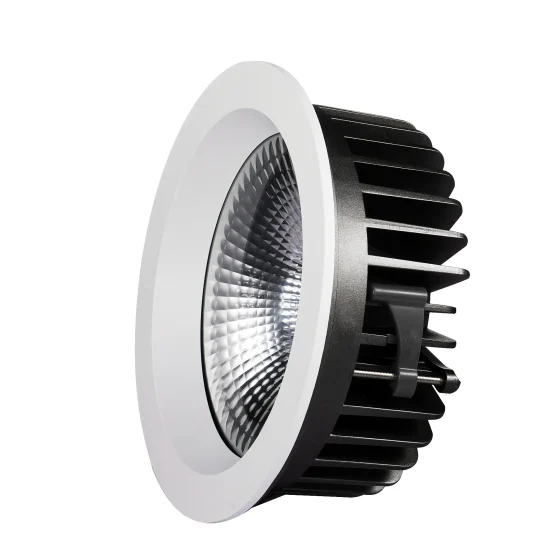
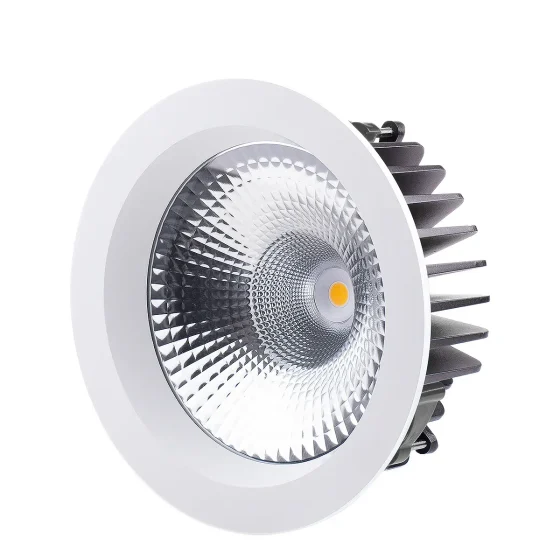
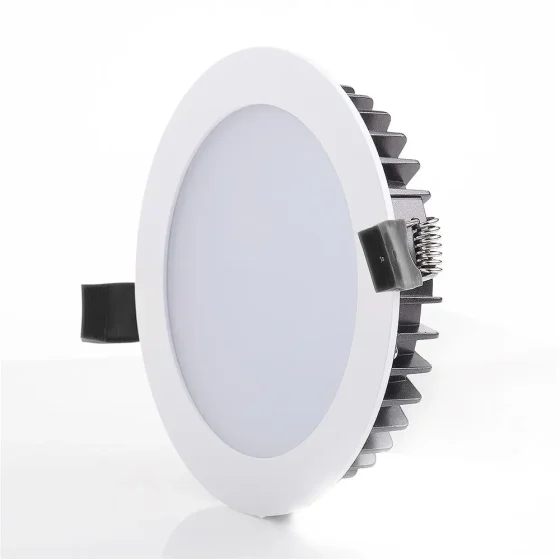
LED thin recessed lights are compact, ultra-slim lighting fixtures designed to be installed in ceilings with minimal space. Unlike traditional recessed lights that can require bulky housing and extensive installation procedures, these fixtures are designed to fit into shallow ceiling cavities, making them perfect for spaces with limited clearance or modern ceilings where traditional recessed lighting might not be feasible.
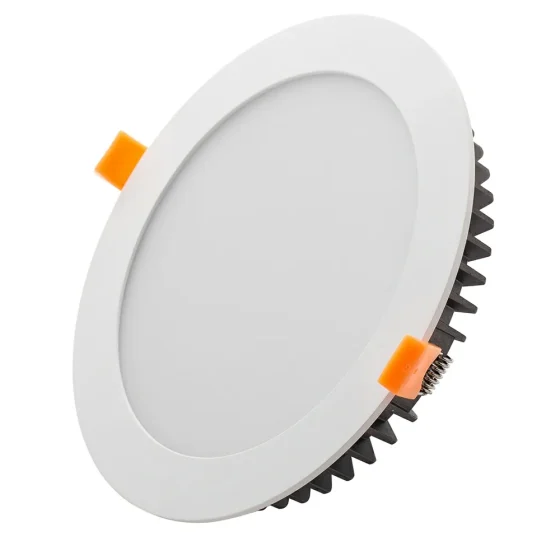
What Are LED Thin Recessed Lights
The LED technology used in these fixtures provides an energy-efficient, long-lasting lighting solution that consumes less power while producing bright, high-quality illumination. LED thin recessed lights are available in various sizes, with the 4-inch and 6-inch options being the most commonly used in residential applications. Their slim profile allows them to integrate seamlessly into a variety of environments, from kitchens and living rooms to offices and commercial spaces.
Key Benefits of LED Thin Recessed Lights
a) Space-Saving Design
One of the most significant advantages of LED thin recessed lights is their ability to fit into spaces with limited ceiling depth. These fixtures are ideal for retrofitting older homes, apartments, or any building where traditional recessed lights might be difficult to install due to space constraints. The thin profile and compact nature of these lights allow them to be installed in tight ceiling cavities, where conventional recessed lights would be too large or require complex modifications.
Whether you’re dealing with low ceilings or shallow spaces, LED thin recessed lights provide an elegant and effective solution to create even, modern lighting without the need for intrusive installation work.
b) Energy Efficiency
Energy efficiency is at the forefront of modern lighting design, and LED thin recessed lights lead the charge in reducing energy consumption. Traditional incandescent or halogen lights consume much more power and have a shorter lifespan, requiring frequent replacements and contributing to higher energy bills. In contrast, LED lights use up to 80% less energy, making them a far more economical and environmentally friendly option.
These fixtures are designed to be long-lasting, with some LED thin recessed lights boasting lifespans of 50,000 hours or more. This means fewer replacements, less maintenance, and a significant reduction in long-term costs. By incorporating LED thin recessed lights into your 2025 projects, you’re investing in a sustainable and cost-effective lighting solution.
c) High-Quality Lighting Performance
Despite their slim design, LED thin recessed lights deliver exceptional light quality. They produce bright, uniform light that can be adjusted to suit different environments. Whether you need bright, task-oriented lighting for kitchens or softer, ambient lighting for living rooms, these fixtures can be customized to meet your needs.
LED thin recessed lights also offer impressive color rendering, ensuring that colors appear vivid and true to life. This makes them an excellent choice for spaces where aesthetics matter, such as galleries, kitchens, and bathrooms, where accurate light is needed for tasks or visual appeal.
d) Low Heat Emission
Another key benefit of LED thin recessed lights is their low heat output. Traditional light bulbs, particularly incandescent and halogen models, can emit significant amounts of heat, making spaces uncomfortable and increasing the load on cooling systems. In contrast, LED lights generate minimal heat, which makes them ideal for environments where temperature control is important.
By choosing LED thin recessed lights, you can reduce the heat load in your space, leading to a more comfortable environment and potentially lowering cooling costs, especially during the warmer months.
Ideal Applications for LED Thin Recessed Lights
LED thin recessed lights are incredibly versatile, making them suitable for a wide range of applications. Their slim profile and energy-efficient features make them perfect for both residential and commercial projects. Here are some ideal places where you can incorporate these modern lighting fixtures:
a) Kitchens and Workspaces
In kitchens, LED thin recessed lights are often used for task lighting over countertops, islands, and workspaces. The even, bright illumination they provide makes food preparation, cooking, and cleaning easier and safer. Their slim profile ensures that they don’t detract from the room’s aesthetics, allowing for a clean, minimalist look that complements modern kitchen designs.
These lights are also perfect for home offices or commercial workspaces, where focused, bright lighting is essential for productivity. Their ability to be installed in tight spaces makes them ideal for both functional and decorative purposes.
b) Living Rooms and Bedrooms
In living rooms and bedrooms, LED thin recessed lights can be used for general, ambient lighting or as accent lighting to highlight architectural features like feature walls, shelves, or artwork. Their unobtrusive design allows them to blend seamlessly into the ceiling, creating a modern, sleek look that doesn’t interfere with the overall decor.
In bedrooms, they can provide soft, warm light that creates a relaxing atmosphere. When paired with dimming capabilities, these fixtures offer the flexibility to adjust the light levels based on your mood and activities.
c) Bathrooms
Bathrooms benefit greatly from LED thin recessed lights, particularly in areas such as showers, over bathtubs, and above vanity mirrors. The compact size and moisture-resistant qualities of these fixtures make them perfect for bathroom installations, where ceiling space is often limited and where lighting must be both functional and stylish.
These lights can also be integrated with motion sensors for added convenience and energy savings, ensuring that the lights turn on and off automatically based on activity in the room.
d) Commercial Spaces and Retail Environments
For commercial spaces, including offices, retail stores, and restaurants, LED thin recessed lights offer high performance with a modern design. Their clean look is ideal for contemporary office spaces or retail stores looking to create a professional, upscale atmosphere. The ability to install them in low-clearance ceilings makes them perfect for commercial renovations where aesthetic and functionality are both important.
How to Choose the Right LED Thin Recessed Lights for Your 2025 Projects
When selecting LED thin recessed lights for your projects, several factors should be taken into consideration to ensure you choose the best fixture for your needs. Here are the top factors to consider:
a) Lumen Output and Brightness
The brightness of your recessed lighting should be appropriate for the room and its intended use. LED thin recessed lights are available in a variety of lumen outputs, so it’s essential to select the right one based on the size of the room and the lighting effect you wish to achieve. For general lighting, you may want fixtures that provide 600-800 lumens per light, while task lighting might require fixtures with higher lumen outputs.
b) Color Temperature
Color temperature plays a crucial role in the ambiance of a room. For most residential spaces, a warm white (2700K–3000K) color temperature is ideal for creating a cozy, inviting atmosphere. Cool white (4000K–5000K) lighting is more suited for workspaces, kitchens, or areas that require brighter, more vibrant illumination.
c) Dimming Capabilities
Many LED thin recessed lights come with dimming features, allowing you to adjust the light intensity according to your needs. Dimmable lights are particularly useful in spaces like living rooms and bedrooms, where you may want to set the mood or change the lighting levels for different activities. Be sure to check if the fixtures are compatible with dimmer switches and other controls.
d) Installation and Compatibility
Ensure that the LED thin recessed lights you choose are compatible with your ceiling type and the installation space available. Some models are designed for retrofit installations, while others may require more extensive modifications. Check the depth of the ceiling cavity and the required installation tools to ensure a smooth and efficient installation process.
Conclusion
Incorporating LED thin recessed lights into your 2025 projects offers a sleek, modern, and energy-efficient lighting solution that enhances both functionality and aesthetics. Their slim profile, energy savings, high-quality light output, and versatility make them the perfect choice for residential and commercial spaces alike.
Whether you’re renovating your kitchen, upgrading your office, or designing a new build, LED thin recessed lights offer the ideal solution for creating clean, bright, and comfortable environments. By choosing these fixtures, you’re investing in the future of lighting, ensuring that your space remains both stylish and efficient for years to come.


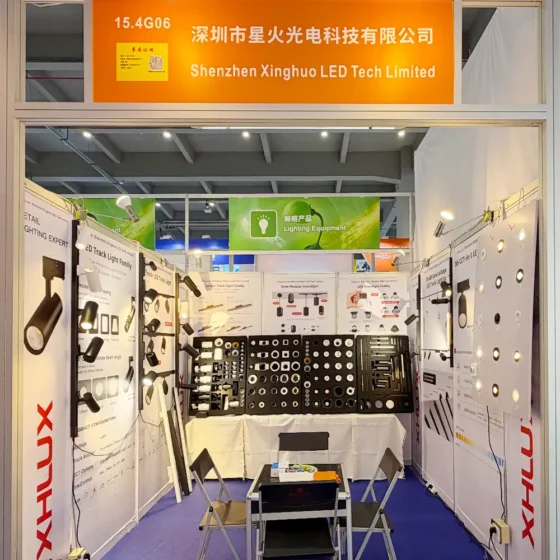
The 140th China Import and Export Fair (Canton Fair) officially opened in Guangzhou on October 15, 2026, bringing together manufacturers, buyers and industry professionals from
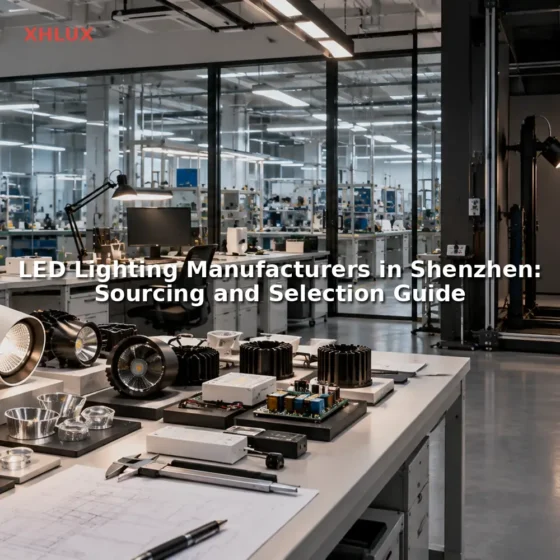
LED lighting manufacturers in Shenzhen: why the electronics ecosystem matters, districts in city planning, manufacturer types and how to compare them.
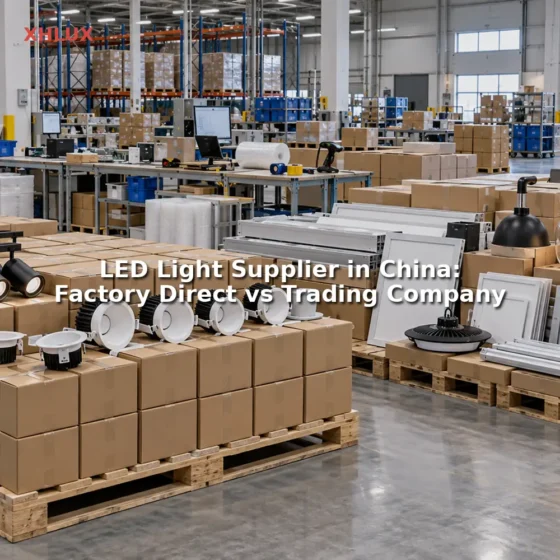
LED light supplier in China: factory direct vs trading company compared, where XHLUX fits, which orders suit each model and who carries responsibility.