 XHLUX
XHLUX
Lighting can dramatically shape the aesthetics and functionality of any space. While track lighting provides adjustable and versatile illumination, many homeowners and commercial designers are now opting for the sleek, minimalist look of recessed lighting.
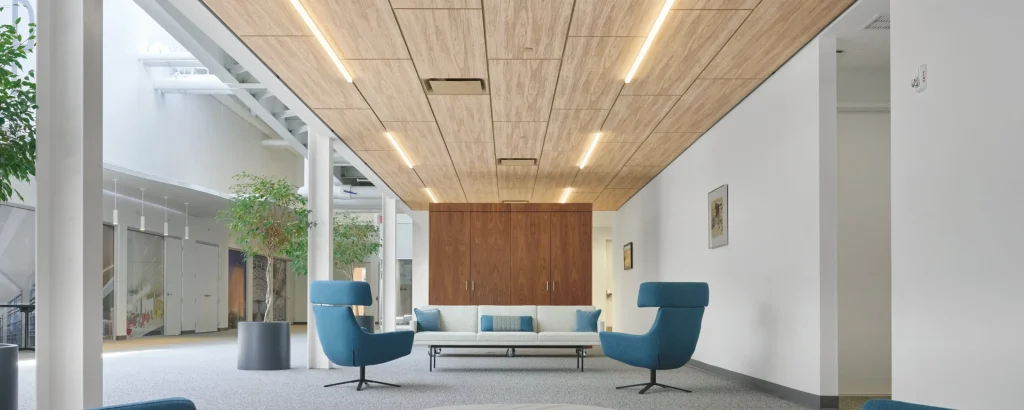
If you’re wondering how to change track lighting to recessed lighting, this comprehensive guide will walk you through everything you need to know—from preparation to execution, with expert tips to avoid common mistakes.
Why Replace Track Lighting with Recessed Lighting?
Switching from track to recessed lighting offers numerous benefits:
- Modern Aesthetic: Clean ceilings without visual clutter.
- Even Light Distribution: Excellent for general illumination.
- Space Optimization: Ideal for rooms with low ceilings.
- Energy Efficiency: Especially when combined with LED recessed lights.
According to a 2025 report by Mordor Intelligence, the recessed lighting market is projected to grow at a CAGR of 6.8% from 2024–2029, largely due to rising demand for minimalistic and energy-efficient designs (source ).
Tools and Materials Needed
Before you start, gather the following:
| Tool/Material | Purpose |
|---|---|
| Stud Finder | Locate ceiling joists |
| Voltage Tester | Ensure the circuit is de-energized |
| Drywall Saw | Cut holes for recessed lights |
| Wire Cutters/Strippers | Electrical wiring tasks |
| Recessed Light Kits (LED recommended) | New light fixtures |
| Electrical Junction Box | Secure wiring |
| Screwdrivers | Fastening and wiring |
| Ladder | Access ceiling safely |
| Pencil & Measuring Tape | Precise markings |
Safety Note: Always turn off the breaker at the panel box before handling electrical wiring.
Step-By-Step Guide: How to Change Track Lighting to Recessed Lighting
Step 1: Remove Existing Track Lighting
- Turn off the circuit breaker controlling the track lighting.
- Use a screwdriver to remove the track rail from the ceiling.
- Disconnect wiring carefully and use a voltage tester to ensure no electricity is flowing.
- Remove any mounting plates or anchors left behind.
Pro Tip: Take photos of the wiring before disconnection for reference during reinstallation.
Step 2: Inspect Ceiling and Plan Layout
Using a stud finder, locate the ceiling joists. Plan your recessed lighting layout to avoid joists and ensure even illumination.
Ideal Spacing Rule: Space recessed lights approximately half the ceiling height apart (e.g., 8-foot ceiling = lights spaced 4 feet apart).
| Ceiling Height | Recommended Light Spacing |
|---|---|
| 8 ft | 4 ft apart |
| 10 ft | 5 ft apart |
| 12 ft | 6 ft apart |
Step 3: Cut Ceiling Holes
Mark the center point for each light using a pencil.
Use a drywall saw to carefully cut holes following the recessed light template provided in the kit.
Step 4: Install Electrical Junction Boxes
If your track system used surface-mounted wiring, you’ll need to transition to in-ceiling junction boxes.
- Mount a junction box near each hole.
- Pull wiring through safely.
Expert Advice: Modern building codes often require that recessed lights be IC-rated (Insulation Contact rated) and airtight to prevent energy loss.
Step 5: Wire the Recessed Lights
- Connect wires: black to black (hot), white to white (neutral), and green or bare copper (ground) to the green grounding screw.
- Use wire nuts to secure connections.
- Push connections carefully into the junction box.
Step 6: Mount and Secure Recessed Fixtures
Following the manufacturer’s instructions:
- Insert the recessed can or housing into the ceiling hole.
- Secure it to the ceiling using clips or screws.
If you’re using modern adjustable recessed LED lights, ensure the tilt mechanisms are positioned as needed.
Step 7: Install Bulbs and Trims
Insert energy-efficient LED bulbs and attach the trims for a polished look.
Dimmable versions of recessed lighting are highly recommended to create mood and save energy.
Step 8: Test the System
Turn the breaker back on and test your new lighting setup.
If you opted for smart adjustable recessed LED lighting, configure the settings through your smart home app for ultimate control.
Additional Tips for Success
Select the Right Type of Recessed Light
| Type | Best Use |
|---|---|
| Standard Fixed Recessed Lights | General ambient lighting |
| Adjustable Tilt Recessed Lights | Accent lighting for artwork or specific areas |
| Gimbal LED Downlights | Flexibility for directing light in retail or task zones |
| Smart LED Recessed Lighting | App-controlled, dimmable, color-adjustable options |
Smart adjustable recessed LED lighting is growing rapidly in both residential and commercial markets due to enhanced flexibility.
Ensure Energy Efficiency
Using energy-efficient adjustable recessed LED fixtures can significantly lower electricity bills and align with sustainability goals.
According to Energy Star, LED lighting consumes at least 75% less energy and lasts 25 times longer than incandescent lighting.
When Should You Hire a Professional?
- Complex wiring or re-routing
- Limited attic access
- Load calculations (for commercial spaces)
Commercial adjustable recessed LED lighting projects often require licensed electricians for compliance and insurance purposes.
Frequently Asked Questions
Can I use existing wiring from track lighting?
Yes, in many cases the wiring can be reused if it is up to code and safely positioned inside the ceiling.
How many recessed lights replace one track light?
It depends on the track layout and light output. Typically, one track light can be replaced by two recessed lights for better coverage.
Is recessed lighting suitable for all ceilings?
While it works in most drywall ceilings, installing recessed lights in concrete or metal ceilings requires specialized tools and often professional installation.
Final Thoughts
Changing track lighting to recessed lighting is a transformative upgrade that delivers a sleek, contemporary look while maximizing lighting efficiency.
Whether you’re enhancing your living room, upgrading a kitchen, or improving a commercial space, the effort is well worth the improved aesthetics and functionality.
By following this detailed guide, you’ll be equipped with the knowledge and confidence to tackle the project safely and effectively.
“Lighting is the jewelry of architecture.” — Architectural Digest, 2024
✨ Ready to transform your space? Explore more on modern lighting upgrades and energy-efficient lighting solutions (internal links suggestion) for additional inspiration!