 XHLUX
XHLUX
Table of contents
- Why Lighting Matters in Art Studios
- What Is Track Lighting?
- Key Factors to Choose the Best Track Lighting for Art Studio
- Best Use Cases for Art Studio Track Lighting
- Track Lighting vs Other Lighting Options
- Where to Buy Best Track Lighting for Art Studio
- Data-Driven Chart: Lighting Options Comparison
- FAQ: Best Track Lighting for Art Studios
- Conclusion
Lighting is the invisible brushstroke in every art studio. The right illumination does more than brighten a room—it transforms colors, enhances details, and influences the entire creative process. Artists often spend hours perfecting a canvas, sculpture, or installation, but poor lighting can distort color perception and diminish the impact of the final piece.
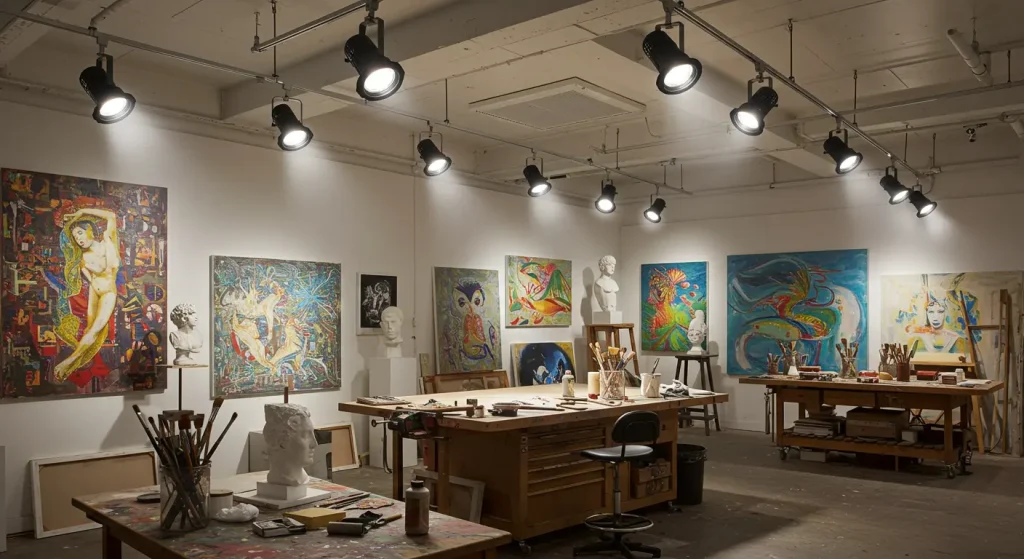
That’s where track lighting comes in. Designed for flexibility and precision, it allows artists and studio owners to adapt light to different mediums, angles, and atmospheres. In this guide, we’ll walk through everything you need to know to select the best track lighting for art studio environments. Whether you’re a painter, sculptor, photographer, or gallery owner, this buyer guide will help you make the right choice.
Why Lighting Matters in Art Studios
Lighting is not just about visibility—it is about truth. Artists depend on accurate color rendering, consistent brightness, and customizable settings.
- Color Accuracy (CRI – Color Rendering Index): A painting that looks vibrant under natural daylight may appear muted or distorted under poor-quality bulbs. Professional art studios often demand CRI ratings above 90 to ensure faithful reproduction of colors.
- Creative Atmosphere: Harsh lighting can create fatigue and disrupt focus, while warm, balanced lighting fosters a productive, inspiring workspace.
- Professional vs Standard Lighting: While ordinary home lighting may suffice for casual spaces, art studios need professional lighting for artists to support both creation and exhibition.
What Is Track Lighting?
Track lighting is a flexible lighting system that features a mounted track (installed on ceilings or walls) with adjustable light heads. Each head can be rotated, angled, or repositioned, giving you maximum control.
Key Types of Track Lighting:
- Surface-Mounted: Installed directly onto the ceiling, easy to install, suitable for most studios.
- Flush-Mount: More discreet and blends into the ceiling, ideal for minimalist studios.
- Recessed Track Lighting: Embedded in the ceiling for a clean, gallery-style appearance.
Advantages for Art Studios:
- Adjustable beams for highlighting artwork.
- Expandable systems (add more fixtures as your collection grows).
- Sleek, modern look suitable for both creation and exhibition.
Key Factors to Choose the Best Track Lighting for Art Studio
1. Light Source Type
- LED Track Lighting: Energy-efficient, long-lasting (50,000+ hours), high CRI (>90).
- Halogen Lamps: Excellent color rendering but less efficient and generate heat.
- CFL (Compact Fluorescent): Budget-friendly but limited in CRI and dimming.
👉 Recommendation: LED track lighting for artists is the gold standard.
2. Color Temperature
Choosing the right color temperature depends on whether you’re working or displaying art:
- 3000K (Warm White): Creates a cozy, inviting atmosphere, suitable for galleries or client viewings.
- 4000K (Neutral White): Balanced for both work and display, reducing eye strain.
- 5000K (Daylight): Best for creation, closely mimicking natural daylight.
3. Brightness & Dimming
Brightness is measured in lumens. For art studios, you need between 2000–4000 lumens per track head, depending on room size. Dimmable lights add flexibility for adjusting between work mode and exhibition mode.
4. Installation Style & Ceiling Height
- Low Ceilings (8–9 ft): Flush-mount or short track heads work best.
- High Ceilings (10+ ft): Adjustable, directional fixtures with higher lumen output.
5. Budget & Maintenance
- Upfront Cost: LED track lighting may cost more initially but pays off through efficiency.
- Long-Term Savings: Lower energy bills, reduced replacement needs.
Best Use Cases for Art Studio Track Lighting
- Canvas Lighting: Adjustable heads highlight brush strokes and texture.
- Gallery Wall Lighting: Even distribution along walls enhances exhibitions.
- Sculpture & 3D Works: Spot-focused beams create dramatic shadow play.
- Workstation Lighting: Wide beam angles illuminate desks and easels.
Track Lighting vs Other Lighting Options
| Lighting Option | Advantages | Limitations | Best For |
|---|---|---|---|
| Track Lighting | Flexible, adjustable, professional | Higher initial cost | Studios & galleries |
| Pendant Lights | Decorative, adds ambiance | Not adjustable, less precise | General decor |
| Recessed Lighting | Clean, modern look | Fixed direction, less flexible | Minimalist studios |
| Floor Lamps | Portable, budget-friendly | Limited professional use, uneven light | Home studios |
Where to Buy Best Track Lighting for Art Studio
When sourcing track lighting, prioritize quality certifications (UL, CE, RoHS).
- Wholesale Suppliers: Ideal for contractors, galleries, or bulk studio setups.
- Retail Stores: Good for individual artists or small spaces.
- Online B2B Platforms: Wide range of options, customizable orders.
Data-Driven Chart: Lighting Options Comparison
Below is a simplified comparison of popular track lighting types:
| Feature | LED Track Light | Halogen Track Light | CFL Track Light |
|---|---|---|---|
| CRI (Color Accuracy) | 90–98 | 95+ | 70–85 |
| Lifespan (Hours) | 50,000+ | 2,000–4,000 | 8,000–10,000 |
| Energy Efficiency | High | Low | Medium |
| Heat Emission | Low | High | Medium |
| Cost | Medium–High | Medium | Low |
FAQ: Best Track Lighting for Art Studios
Q1: What is the ideal CRI for art studio lighting?
A: Aim for a CRI above 90 to ensure accurate color representation in artworks.
Q2: Can I mix warm and cool lights in my studio?
A: Yes, but keep them separated by zones (e.g., daylight for workspace, warm light for gallery walls).
Q3: How many track lights do I need in a small art studio?
A: For a 200 sq. ft. studio, 4–6 track heads with 2000 lumens each is sufficient.
Q4: Are dimmable track lights worth it?
A: Absolutely. Dimming allows you to switch between creation (bright) and display (soft) modes.
Q5: Where can I buy wholesale track lighting?
A: Look for B2B suppliers, specialized lighting manufacturers, or professional distributors offering certifications like UL or CE.
Conclusion
Choosing the best track lighting for art studio is about balancing functionality, aesthetics, and efficiency. LED track lights stand out for their flexibility, high CRI, and cost-effectiveness, making them the number one choice for modern studios.
Whether you’re lighting up a personal creative space or preparing a professional exhibition, the right track lighting system ensures your art looks its absolute best.
👉 Ready to upgrade your art studio? Contact us today for a customized lighting consultation and wholesale pricing on professional-grade track lighting solutions.