 XHLUX
XHLUX
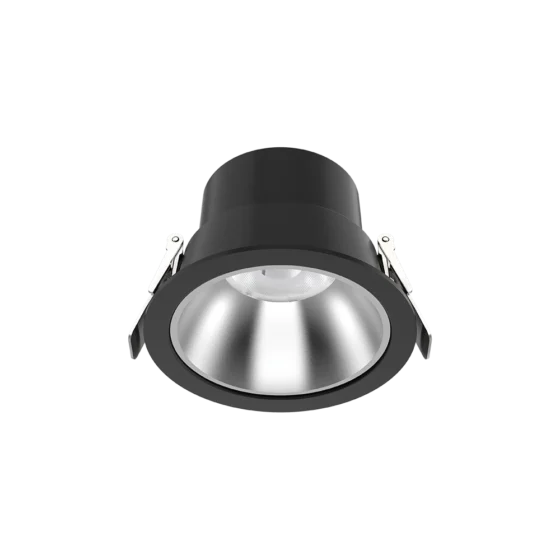
As we move into 2025, lighting technology continues to evolve, offering smarter, more efficient, and visually comfortable solutions for both residential and commercial spaces. One of the most prominent advancements is the development of advanced anti glare downlights, designed to reduce eye strain and enhance visual comfort, without compromising on brightness or energy efficiency. This blog post will explore the evolution of downlight technology, the advantages of anti-glare systems, and how these innovations are shaping the future of illumination.
1. The Importance of Anti-Glare Lighting
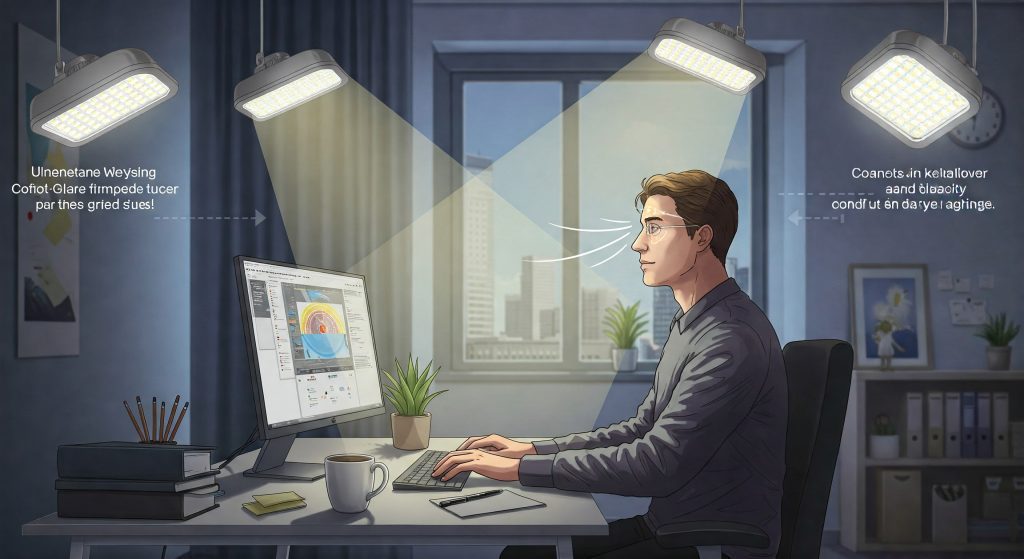
The importance of anti-glare lighting in modern interiors
In the context of modern lighting, glare refers to the uncomfortable brightness produced by direct or reflected light that can disrupt visual performance and cause discomfort. While glare can lead to headaches, eye fatigue, and even long-term vision issues, it is particularly problematic in spaces where people spend extended periods of time, such as homes, offices, hospitals, and retail environments.
In this regard, anti glare downlights are more than just a luxury; they are a necessity for promoting eye comfort and productivity. With the increasing amount of time we spend under artificial lighting, having a lighting solution that minimizes glare while still delivering sufficient light levels is essential for maintaining optimal well-being.
2. How Anti-Glare Downlights Work
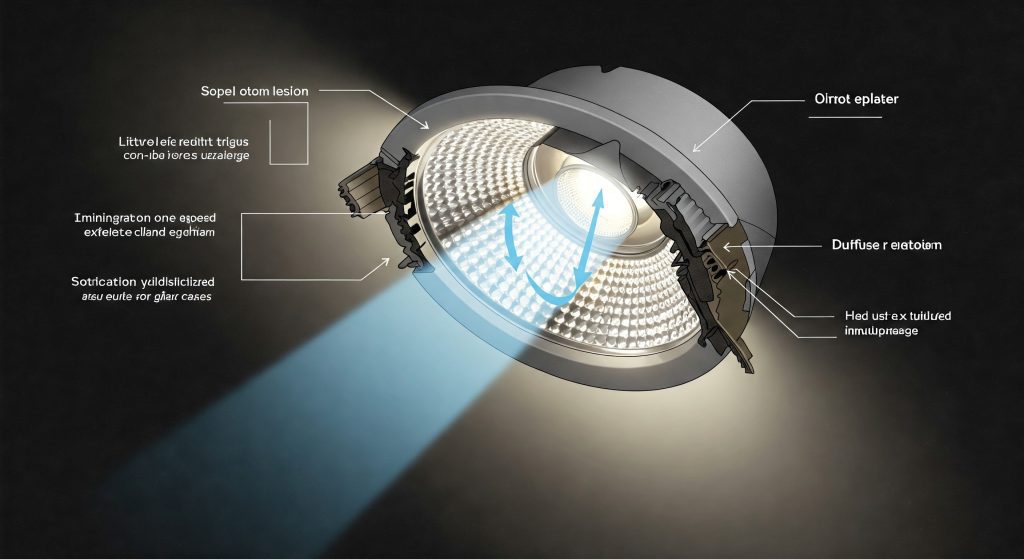
How Anti-Glare Downlights Work
Advanced anti-glare downlights integrate innovative optical technologies to reduce the intensity of direct light that reaches the eye. These systems rely on several key features:
a) Deep Recessed Lens Technology
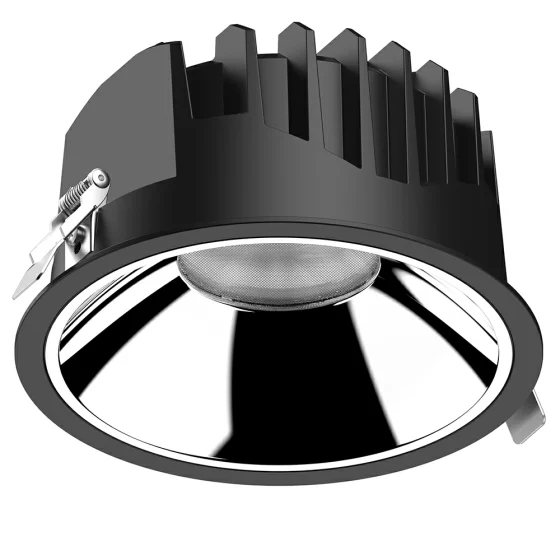
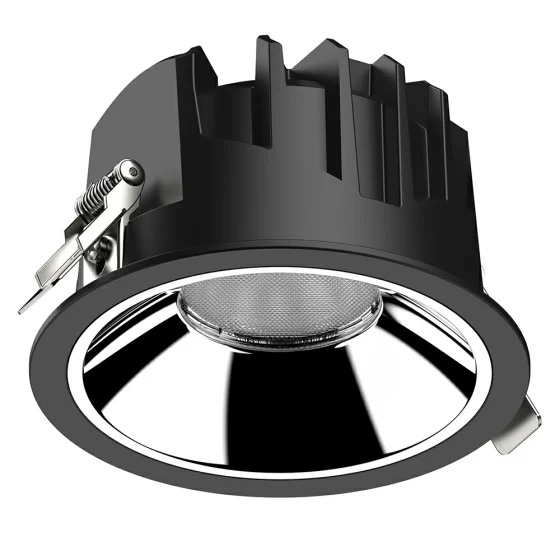
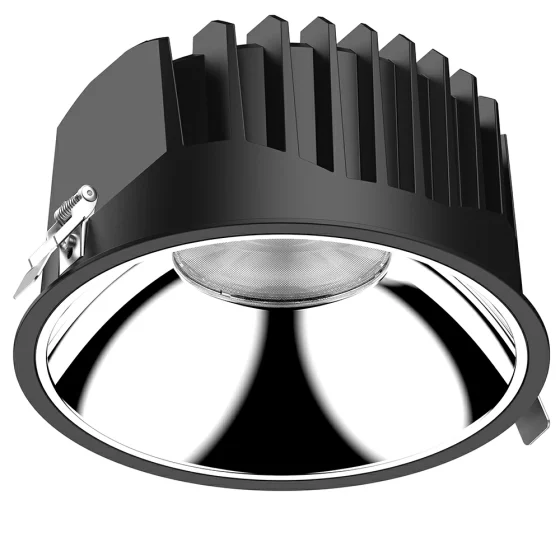
Many of the most advanced anti-glare downlights feature deeply recessed lenses or baffles that shield the light source from direct view. This design significantly reduces the risk of glare, ensuring that the light output is diffused more evenly across a room.
b) Matte Finishes and Diffusers
A matte finish combined with diffusing filters helps scatter light in a way that softens its intensity. This allows for a more natural, comfortable light distribution that minimizes harsh spots or shadows, while still providing the necessary illumination levels for various tasks.
c) Dimming Capabilities
Anti-glare downlights are often equipped with dimming capabilities, allowing users to adjust the brightness according to their needs. This not only provides flexibility but also helps reduce glare during different times of the day or in varying lighting conditions.
3. Benefits of Advanced Anti-Glare Downlights
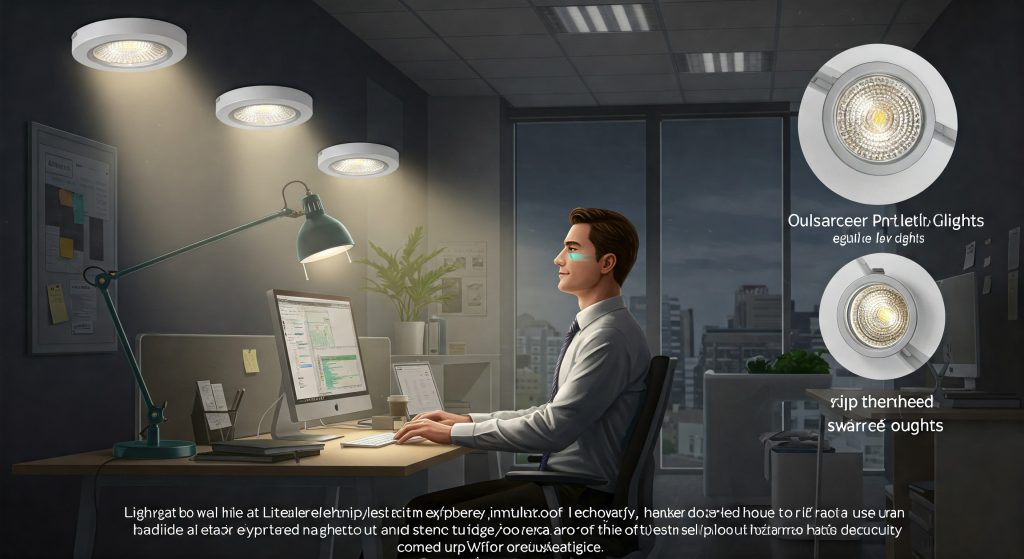
Benefits of Advanced Anti-Glare Downlights
The integration of anti-glare technology into downlights offers a range of benefits that can improve both the aesthetic and functional quality of a space:
a) Improved Visual Comfort
One of the most significant advantages of anti-glare downlights is their ability to reduce visual discomfort. These downlights offer softer, more even light distribution, which results in a more relaxed environment. By minimizing glare, they help reduce eye strain, fatigue, and the associated symptoms that come from prolonged exposure to harsh lighting.
b) Enhanced Energy Efficiency
In 2025, energy efficiency remains a key priority for lighting systems. Anti-glare downlights typically use LED technology, which is known for its energy-saving capabilities. By providing superior illumination while consuming less energy, these downlights reduce the overall carbon footprint of a space, aligning with sustainability goals and reducing utility costs.
c) Optimal Illumination for Any Setting
Whether you are lighting up a living room, a commercial office, or a hospitality environment, advanced anti-glare downlights offer versatile performance. With their ability to enhance visual clarity without overwhelming the space with harsh light, these fixtures are ideal for any setting. Whether for general lighting, accent lighting, or task lighting, they provide a seamless balance between brightness and comfort.
d) Aesthetic Appeal
The design of anti-glare downlights is often sleek and modern, fitting seamlessly into any interior. Their unobtrusive design blends well with various décor styles, from minimalistic to industrial. Many models also come in a variety of finishes and sizes, providing a tailored solution for different aesthetic preferences.
4. Choosing the Right Anti-Glare Downlight for Your Space
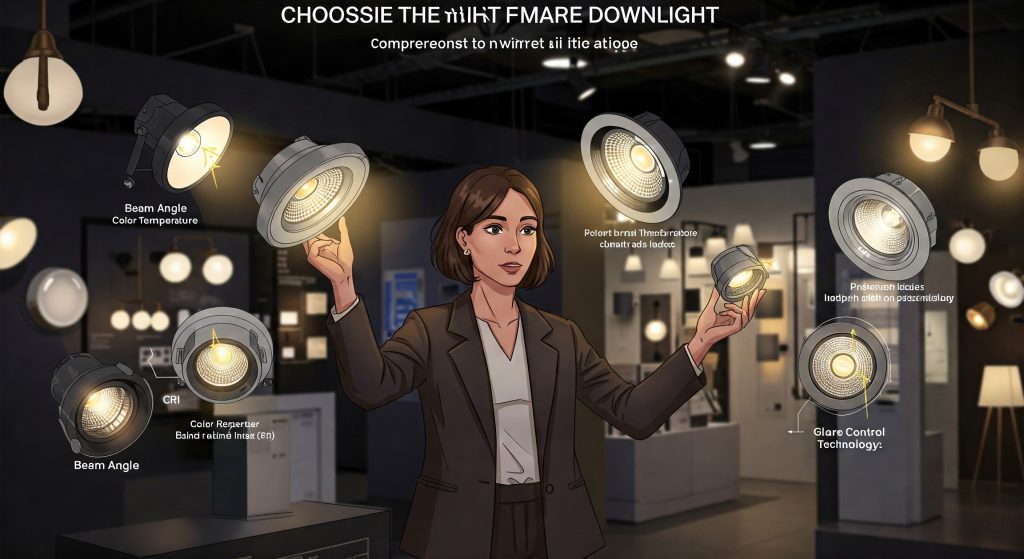
Choosing the Right Anti-Glare Downlight for Your Space
When selecting an anti-glare downlight, several factors must be considered to ensure optimal performance:
a) Lumen Output and Brightness
The lumen output refers to the brightness level of the downlight. For general lighting, a lumen range of 800–1,500 is typically sufficient, while higher brightness levels may be needed for task lighting in kitchens or offices. It’s essential to choose a downlight with appropriate lumen output to meet the specific lighting needs of your space without causing discomfort.
b) Color Temperature
The color temperature of the light is another critical factor. It is typically measured in Kelvin (K), and it determines the warmth or coolness of the light. For living areas and bedrooms, a warmer color temperature of around 2700K–3000K is ideal, while offices and workspaces benefit from cooler white light (4000K–5000K) for better visibility and focus.
c) Beam Angle
The beam angle affects how the light is spread across the room. A wider beam angle (around 90 degrees) is best for general lighting, while a narrower beam angle (around 30 degrees) is ideal for task lighting or accent lighting.
d) Dimming Functionality
If you want to adjust the ambiance of your space or require variable lighting for different activities, opt for anti-glare downlights with dimming capabilities. These provide flexibility, allowing you to control the light intensity and minimize glare during various times of the day.
e) Size and Placement
Before purchasing, it’s essential to assess the size of the room and the number of downlights required to achieve optimal illumination. The placement of the downlights will also affect the light distribution and the potential for glare, so it is vital to plan accordingly.
5. The Future of Anti-Glare Downlights
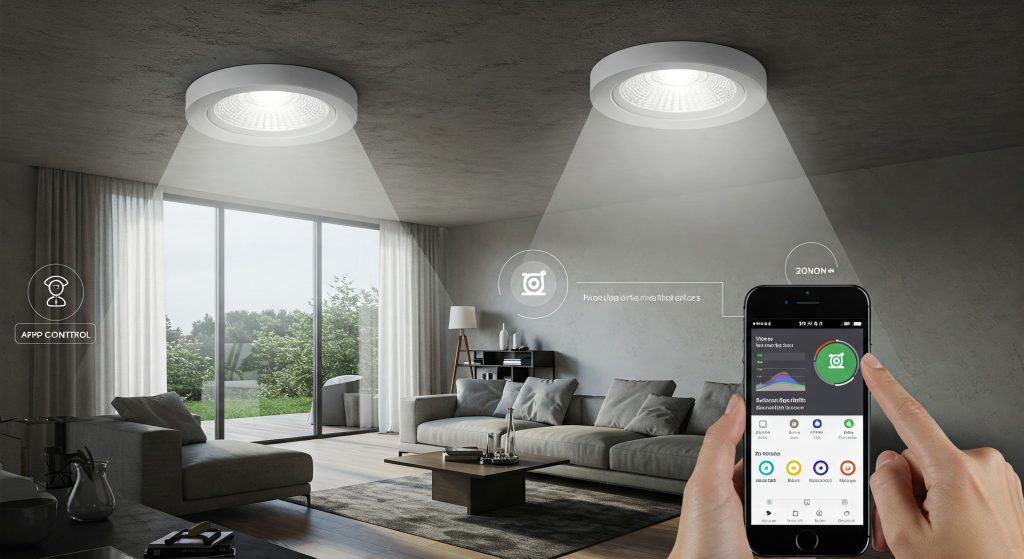
Illustration of futuristic anti-glare downlights in modern interiors
Looking ahead to 2025 and beyond, we can expect several exciting developments in the field of anti-glare downlights:
Smart Lighting Integration: As smart homes become more prevalent, anti-glare downlights will increasingly be integrated with smart home systems, allowing users to control lighting remotely and set schedules for optimal lighting conditions.
Advanced Light Sources: The continuous evolution of LED technology will likely lead to even more efficient and longer-lasting light sources, providing brighter illumination with even less glare.
Personalized Lighting Experiences: Future innovations may allow for dynamic, personalized lighting experiences, where the intensity, color, and glare reduction features can adapt automatically based on the user’s preferences or the time of day.
6. Conclusion
In 2025, advanced anti-glare downlights are not just a lighting trend—they are a necessity for modern living and working environments. By providing high-quality illumination while reducing glare, these downlights enhance visual comfort, promote energy efficiency, and improve the overall ambiance of any space. As lighting technology continues to evolve, anti-glare solutions will play an increasingly vital role in creating healthier, more comfortable, and energy-efficient environments.
By investing in the latest anti-glare downlights, you can transform your space into one that fosters productivity, relaxation, and well-being—all while contributing to a more sustainable future.

The 140th China Import and Export Fair (Canton Fair) officially opened in Guangzhou on October 15, 2026, bringing together manufacturers, buyers and industry professionals from
LED lighting manufacturers in Shenzhen: why the electronics ecosystem matters, districts in city planning, manufacturer types and how to compare them.
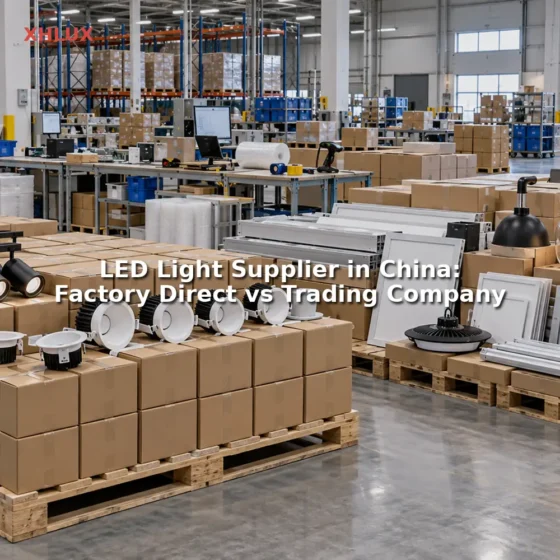
LED light supplier in China: factory direct vs trading company compared, where XHLUX fits, which orders suit each model and who carries responsibility.