 XHLUX
XHLUX

Table of contents
Lighting is the backbone of modern interior design. Whether in a commercial office, hotel, restaurant, retail store, or residential apartment, the choice of lighting defines the overall atmosphere, energy efficiency, and long-term cost savings.
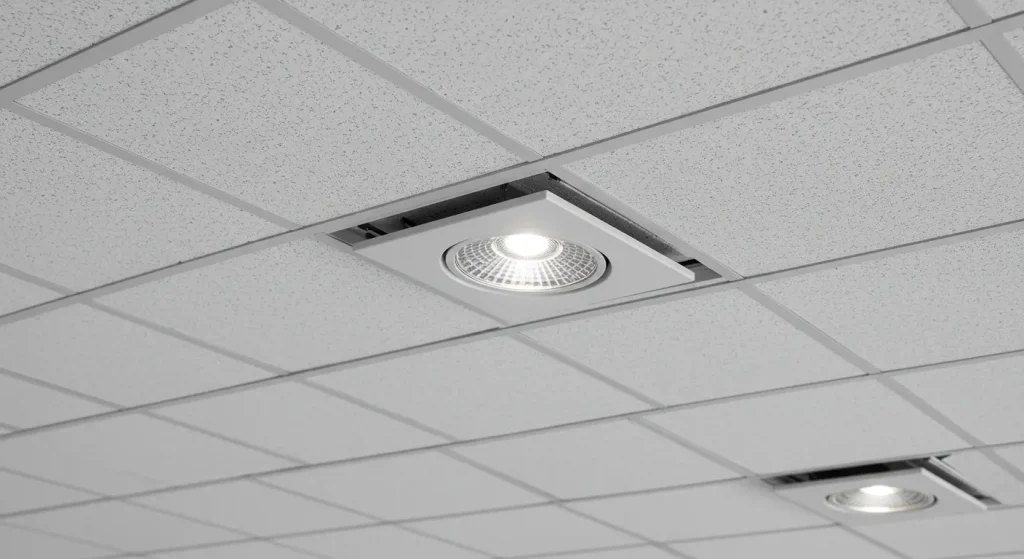
Many professionals and homeowners often ask: What exactly are drop ceiling recessed lights? What benefits do they offer compared to other lighting options?
This article will walk you through the definition, key advantages, typical applications, and a practical selection guide for recessed lighting. By the end, you’ll understand why drop ceiling recessed lights have become one of the most trusted and widely used lighting solutions in modern spaces.
What Are Drop Ceiling Recessed Lights?
Drop ceiling recessed lights (sometimes called can lights, pot lights, or downlights) are fixtures installed inside a suspended ceiling structure, so the body of the light is hidden and only the trim and lens are visible.
Key Characteristics
- Flush finish: The fixture sits level with the ceiling for a clean, seamless look.
- Space-saving design: Ideal for areas with limited ceiling clearance.
- Concealed housing: Keeps wiring and mechanical parts hidden, maintaining a neat ceiling appearance.
Comparison With Other Lighting Types
- Versus surface-mounted lights: Recessed lighting takes less visual space and blends into the ceiling.
- Versus track lights: Recessed lights provide a more permanent, minimal look, while track lights are adjustable and visible.
In short, drop ceiling recessed lights combine aesthetic simplicity with practical functionality, making them a preferred choice for both commercial and residential projects.
Key Advantages of Drop Ceiling Recessed Lighting
1. Space-Saving and Modern Look
Recessed lighting integrates into the ceiling, leaving the space uncluttered. Unlike bulky surface fixtures, drop ceiling recessed lights provide a sleek, minimalist aesthetic suitable for contemporary architecture and modern interiors.
2. Even Illumination and Reduced Shadows
Because of their ceiling-flush design and wide beam options, recessed lighting distributes light more uniformly. This minimizes shadows and creates a balanced lighting environment, essential in offices, meeting rooms, and retail spaces.
3. Flexible Design Options
Today’s drop ceiling recessed lights come with advanced features:
- Dimmable options for adjustable brightness.
- Anti-glare technology to reduce eye strain.
- Multiple color temperatures (warm white, neutral, cool white) for different atmospheres.
This flexibility allows designers and contractors to create customized lighting plans for diverse spaces.
4. Energy Efficiency and Sustainability
When paired with LED technology, drop ceiling recessed lights consume up to 70–80% less energy than halogen or fluorescent equivalents. Over the years, this translates into massive cost savings and contributes to sustainability efforts.
5. Enhances Space Value and Ambiance
Good lighting is not just functional—it influences how people feel and interact with a space. Recessed lighting elevates the perceived value of offices, restaurants, and retail stores by creating a polished and inviting atmosphere.
Typical Application Scenarios
1. Offices and Conference Rooms
- Bright, glare-free lighting that reduces eye fatigue.
- Flexible dimming for presentations and video calls.
2. Hotels and Restaurants
- Creates a cozy, upscale ambiance.
- Energy-efficient operation reduces utility bills.
3. Retail Stores and Showrooms
- Focused beams highlight products.
- Enhances customer experience and drives sales.
4. Residential Homes and Apartments
- Ideal for kitchens, living rooms, and hallways.
- Complements minimalist or modern interior styles.
Comparison With Other Lighting Types
| Lighting Type | Pros | Cons |
|---|---|---|
| Drop Ceiling Recessed Lights | Sleek, space-saving, modern look; even illumination; energy efficient | Requires ceiling cutouts; less flexibility after installation |
| Surface-Mounted Fixtures | Easy to install; wide design choices | Bulkier, occupies ceiling space |
| Pendant Lights / Chandeliers | Decorative focal points; style statement | Not space-saving; can overwhelm small rooms |
| Track Lighting | Adjustable beams; easy repositioning | Fixtures visible, less minimalist style |
👉 This comparison shows why drop ceiling recessed lights remain a balanced choice between aesthetics, energy efficiency, and practicality.
Buying Guide: How to Choose Drop Ceiling Recessed Lights
When purchasing recessed lighting, consider these factors:
Ceiling Height & Structure
- Low ceilings → choose ultra-slim recessed models.
- Suspended/drop ceilings → integrated LED versions fit best.
Brightness and Efficiency
- Measure in lumens, not just watts.
- Offices: 4000–5000K neutral white.
- Restaurants/homes: 2700–3000K warm white.
Glare Control & Dimming
- Anti-glare reflectors improve comfort.
- Dimmable versions offer flexibility.
Certifications
- Look for CE, RoHS, UL, or Energy Star for quality assurance.
Supplier Reliability
- For large projects, consider wholesale recessed lighting with OEM/ODM services.
Data Chart: Energy & Cost Comparison
To illustrate, here’s a 10-year cost analysis for 100 fixtures (12 hours/day use).
| Parameter | Drop Ceiling LED Recessed Lights | Traditional Halogen Fixtures |
|---|---|---|
| Wattage per fixture | 12W | 50W |
| Daily Energy Use (100 units) | 14.4 kWh | 60 kWh |
| Annual Energy Cost (@\$0.10/kWh) | $525 | $2,190 |
| Average Lifespan | 40,000 hours | 5,000 hours |
| Replacement Frequency (10 yrs) | 0–1 | 6–8 |
Result: Savings of over \$16,000 in 10 years, plus reduced maintenance hassle.
FAQs About Drop Ceiling Recessed Lights
Q1: Are drop ceiling recessed lights dimmable?
Yes, most LED recessed lights are dimmable with compatible switches or smart systems.
Q2: Can they be used in wet areas like bathrooms?
Yes, but only if they have an IP44 or higher waterproof rating.
Q3: Do recessed lights overheat in ceilings?
No, modern LED recessed lights produce minimal heat compared to halogen. Always check for proper housing/insulation rating.
Q4: How many recessed lights do I need for a room?
Rule of thumb: 1 fixture every 4–6 feet for general lighting, adjusted based on brightness.
Q5: Can I mix recessed lighting with other types?
Absolutely. Many designers combine recessed lighting with pendant or wall sconces for layered lighting.
Conclusion
Drop ceiling recessed lights combine the best of modern lighting: sleek design, energy efficiency, long lifespan, and versatility across applications. They outperform traditional surface or pendant lighting when it comes to space-saving, cost savings, and clean aesthetics.
As businesses and homeowners shift toward sustainable, modern lighting, recessed lights are no longer a luxury but a necessity.
👉 Ready to upgrade your project? Contact us today to buy drop ceiling recessed lights or explore our wholesale recessed lighting solutions. We also provide OEM/ODM customization for contractors, retailers, and distributors worldwide.