 XHLUX
XHLUX

Table des matières
- What Are Flexible Track Lighting Systems?
- Why Flexibility Is Critical in Commercial Lighting Projects
- Key Benefits of Flexible Track Lighting Systems
- Applications That Benefit Most from Flexible Track Lighting
- Flexible Track Lighting vs Fixed Lighting Systems
- Design Considerations for Maximizing Flexibility
- Common Mistakes When Choosing Track Lighting Systems
- How to Choose the Right Flexible Track Lighting System
- External Authoritative Reference
- FAQ About flexible track lighting systems
- Conclusion
Commercial spaces are rarely static. Retail displays change with seasons, restaurants adjust seating layouts, and hospitality spaces evolve as brands refresh their identity. Yet many lighting systems are designed as if the space will never change.
This disconnect creates a major problem.
When layouts shift but lighting systems cannot adapt, projects face poor illumination, expensive retrofits, operational downtime, and unnecessary rework. In many cases, the issue is not the quality of the luminaires—it is the lack of flexibility in the lighting system itself.
This is why flexible track lighting systems have become a core strategy in modern commercial lighting design. Beyond aesthetics, flexibility is about future-proofing projects and reducing long-term risk.
What Are Flexible Track Lighting Systems?
Flexible track lighting systems are modular lighting solutions designed to adapt to changing layouts and functions without structural modification. Unlike fixed lighting systems, track lighting allows luminaires to be repositioned, adjusted, or replaced easily along a continuous power rail.
True flexibility in track lighting includes:
- Movable fixtures that can slide freely along the track
- Adjustable aiming angles to redirect light as layouts change
- Interchangeable modules that support different beam angles and outputs
- System compatibility that allows future expansion
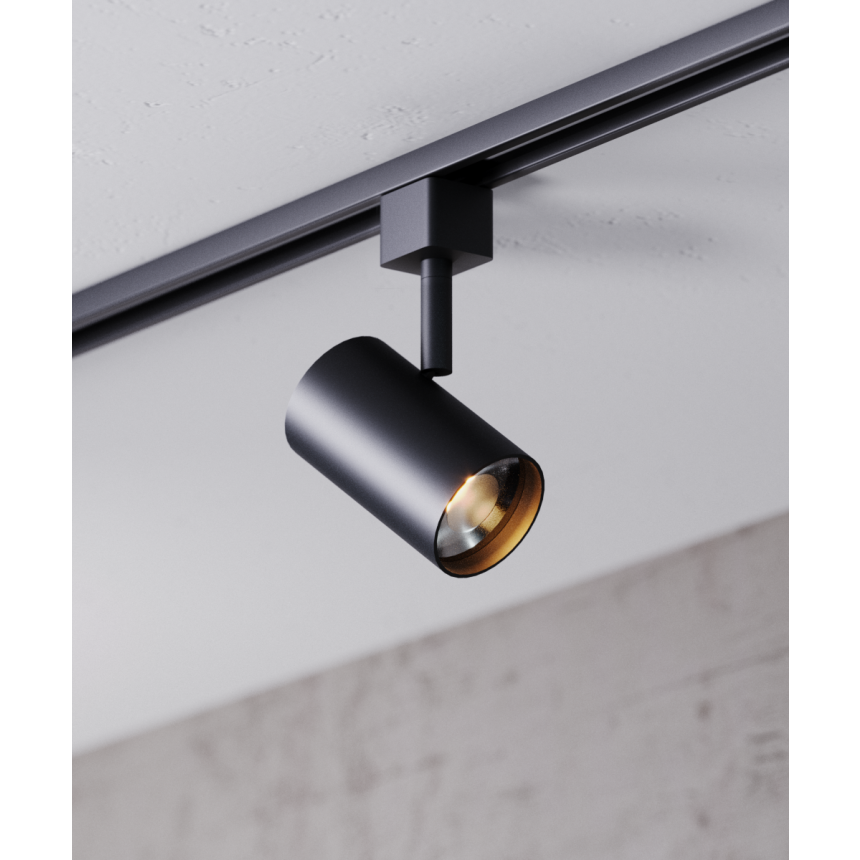
Flexibility is not simply “fixtures that move.” It is a system-level capability that enables lighting to evolve alongside the space.
🎯 What are flexible track lighting systems?
Flexible track lighting systems allow fixtures to be repositioned, adjusted, or replaced easily to adapt to changing commercial layouts.
Why Flexibility Is Critical in Commercial Lighting Projects
Commercial projects face constant change, often driven by factors outside the lighting designer’s control.
Layout Changes Are Inevitable
Retail merchandising updates, restaurant seating reconfigurations, and hotel public-area redesigns happen regularly. Lighting must follow these changes to remain effective.
Fixed Lighting Increases Long-Term Risk
When lighting positions are fixed, even small layout changes can cause:
- Poor light distribution
- Glare or shadow issues
- The need for ceiling modifications
These problems translate directly into cost, downtime, and client dissatisfaction.
Flexibility Protects the Investment
A flexible track lighting system allows the original lighting infrastructure to remain in place while luminaires are adjusted or replaced. This reduces rework and extends the useful life of the lighting system.
🎯 Why is flexibility important in commercial track lighting?
Flexibility ensures lighting remains effective as commercial spaces change over time.
Key Benefits of Flexible Track Lighting Systems
Easy Repositioning for Changing Layouts
Track-mounted fixtures can be moved without rewiring or ceiling damage. Lighting follows displays, seating, or artwork as they shift.
Adaptable Beam Direction and Focus
Adjustable track heads allow the same luminaire to serve different purposes over time—accenting products today, highlighting architectural features tomorrow.
Support for Multiple Lighting Functions
A single track system can support:
- Éclairage général
- Éclairage d'accentuation
- Feature and focal lighting
This multifunctionality reduces the need for multiple fixed systems.
🎯 What are the benefits of flexible track lighting systems?
They allow easy adjustment, support multiple lighting functions, and reduce the need for future modifications.
Applications That Benefit Most from Flexible Track Lighting
Retail Stores and Showrooms
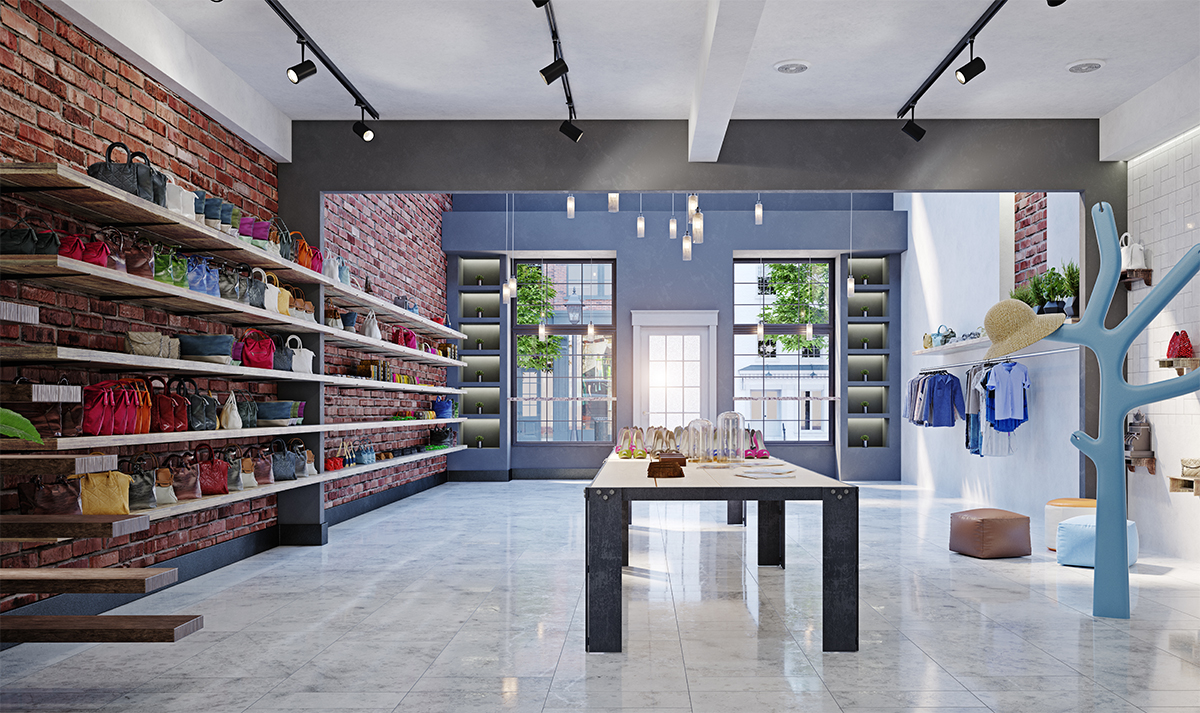
Retail environments change constantly. Seasonal promotions, new collections, and remerchandising demand lighting that can adapt quickly.
Flexible track lighting enables:
- Rapid re-aiming of accent lights
- Easy addition or removal of fixtures
- Consistent visual focus on key products
👉 Relevant solution: Commercial LED track lighting systems
Restaurants and Cafés
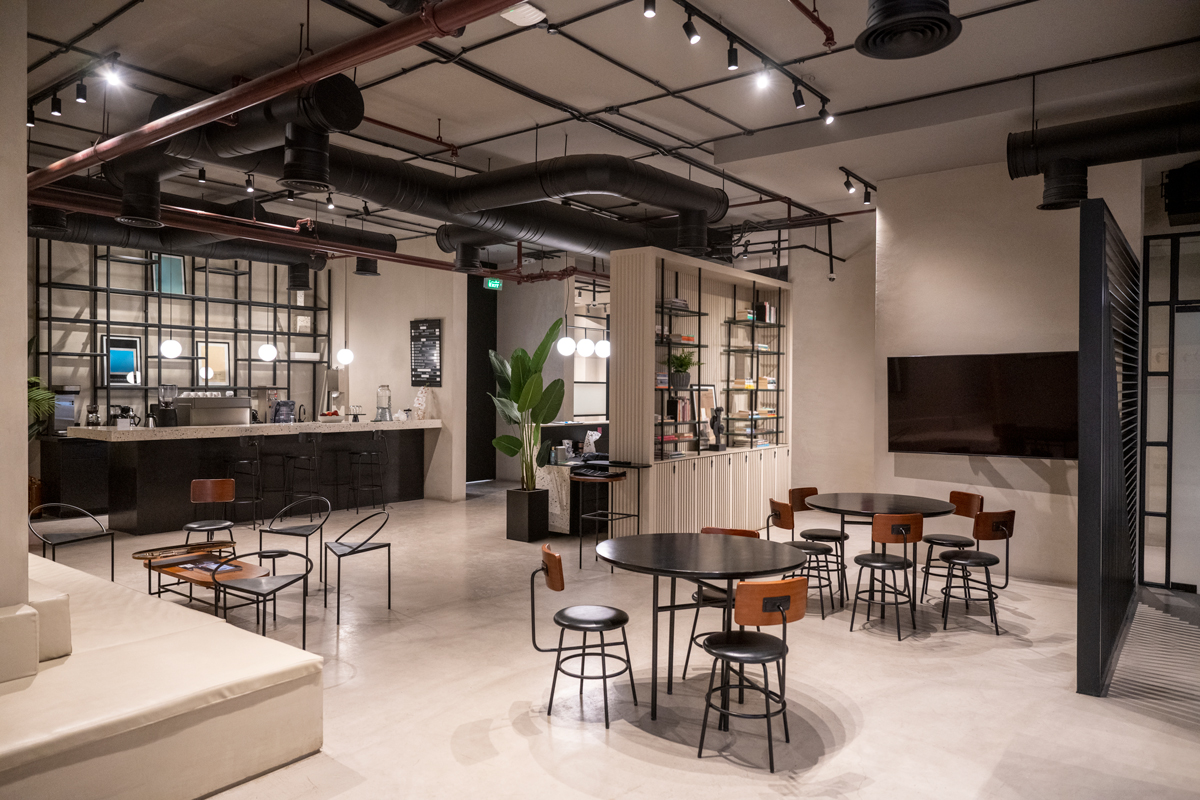
Restaurants frequently adjust seating layouts, dining zones, and feature areas. Fixed lighting often fails to support these changes.
Track lighting allows accent and ambient layers to be refined without rebuilding the ceiling—an essential advantage in hospitality projects.
Hotels and Hospitality Spaces
Hotel lobbies, corridors, and public areas undergo periodic refreshes. Flexible track lighting supports evolving artwork, furniture layouts, and branding elements while maintaining visual consistency.
👉 Hospitality lighting support: Hospitality lighting solutions
Flexible Track Lighting vs Fixed Lighting Systems
| Aspect | Flexible Track Lighting | Fixed Lighting Systems |
|---|---|---|
| Layout adaptability | ⭐⭐⭐⭐⭐ | ⭐ |
| Post-installation changes | Facile | Difficult |
| Rework risk | Faible | Haut |
| Project lifespan | Long | Short |
| Total lifecycle cost | Optimized | Hidden high cost |
Fixed lighting systems may appear simpler initially, but they often generate higher long-term costs due to inflexibility and rework.
🎯 Is flexible track lighting better than fixed lighting?
Flexible track lighting offers greater adaptability and lower long-term costs compared to fixed systems.
Design Considerations for Maximizing Flexibility
Flexibility must be designed into the system from the beginning.
Track Layout Planning
Track routes should anticipate future changes. Linear runs, grid layouts, and expandable junctions improve adaptability.
Fixture Adjustment Range
Luminaires should offer wide rotation and tilt ranges to accommodate changing focal points.
Module Compatibility
Choosing a system that supports multiple fixture types and wattages ensures future upgrades remain compatible.
Allowance for Expansion
Designing with spare capacity—both electrical and spatial—prevents costly retrofits later.
Common Mistakes When Choosing Track Lighting Systems
Many projects fail not because track lighting is unsuitable, but because the wrong system is selected.
Common mistakes include:
- Choosing based on price alone
- Ignoring future layout changes
- Selecting incompatible modules
- Limiting fixture options too early
🎯 What are common mistakes in track lighting system selection?
Common mistakes include prioritizing low cost over flexibility and ignoring future layout changes.
How to Choose the Right Flexible Track Lighting System
A practical checklist for commercial projects:
- Can fixtures be easily repositioned?
- Do luminaires offer sufficient aiming flexibility?
- Does the system support multiple modules and beam options?
- Is the system designed for long-term commercial use?
Real Project Experience
In multiple commercial and hospitality projects, flexible track lighting systems allowed spaces to be upgraded several times without ceiling demolition or rewiring. This reduced downtime, minimized maintenance costs, and preserved the original lighting investment.
For system selection and project-specific advice, explore: Commercial lighting system consultation
External Authoritative Reference
From a technical perspective, glare control and visual comfort remain essential when using adjustable systems. Improper aiming can introduce discomfort glare if not managed correctly.
The scientific definition of glare and its impact on visual comfort is outlined in vision science literature,
while system-level evaluation concepts such as Indice d'éblouissement unifié (UGR) help designers understand how fixture position and aiming affect comfort.
These references reinforce an important point: flexibility must be paired with professional design discipline.
FAQ About flexible track lighting systems
What is flexible track lighting?
It is a modular lighting system that allows fixtures to be moved, adjusted, or replaced easily.
Why use track lighting in commercial spaces?
Because it adapts to changing layouts and reduces future modification costs.
Are track lighting systems adjustable?
Yes. Most commercial track systems allow both position and beam direction adjustment.
Can track lighting layouts be changed later?
Yes. This is one of the primary advantages of track lighting systems.
Is flexible track lighting suitable for retail and hospitality?
Absolutely. These sectors benefit the most from adaptable lighting infrastructure.
Conclusion
Flexible track lighting systems are not just a design choice—they are a risk management strategy for commercial projects.
By allowing lighting to evolve alongside changing layouts, branding, and functions, flexible track systems protect investments, reduce rework, and extend project lifespan. When properly designed, they deliver both visual impact and long-term operational efficiency.
👉 If you are planning a commercial, retail, or hospitality project and need guidance on flexible track lighting system selection, visit: https://xhlux.com/servicesolution/