 XHLUX
XHLUX
![Qu'est-ce qu'un éclairage encastré PLC : guide d'identification et de mise à niveau [2025]](https://xhlux.com/wp-content/uploads/2024/05/news.webp)
Table des matières
- What is a PLC Downlight? The Definitive Answer
- How to Identify a PLC Downlight: 2-Pin vs. 4-Pin Lamps
- The Turning Point: PLC vs. LED Downlights—Why an Upgrade is a No-Brainer
- The Upgrade Path: How to Replace PLC Downlights with LED
- The Global Push: Why Fluorescent Lighting’s Days Are Numbered
- Market Trends & The ROI of an LED Retrofit
- FAQ About PLC Downlight
- Final conclusion: It’s time to upgrade your PLC downlight
You’ve seen them a thousand times, likely without knowing their name. In office corridors, hotel hallways, or retail spaces from the 1990s and 2000s, you flick a switch, and the recessed ceiling lights hesitate for a moment before flickering to a cool, functional brightness. You’ve just met a PLC Downlight.
For a generation, these fixtures were the workhorses of commercial lighting—an energy-efficient leap beyond the incandescent bulbs that came before. But in the world of lighting technology, a generation is a lifetime. Today, that familiar flicker and warm-up time are the tell-tale signs of an outdated system.
So, what exactly is a PLC downlight? Why was it so popular? And, most importantly for any facility manager, business owner, or homeowner in 2025, what should you do about them now? This is your expert guide. We’ll pull back the ceiling tile, so to speak, to demystify this legacy technology and provide a clear, roadmap for upgrading to the superior solutions of today.
What is a PLC Downlight? The Definitive Answer
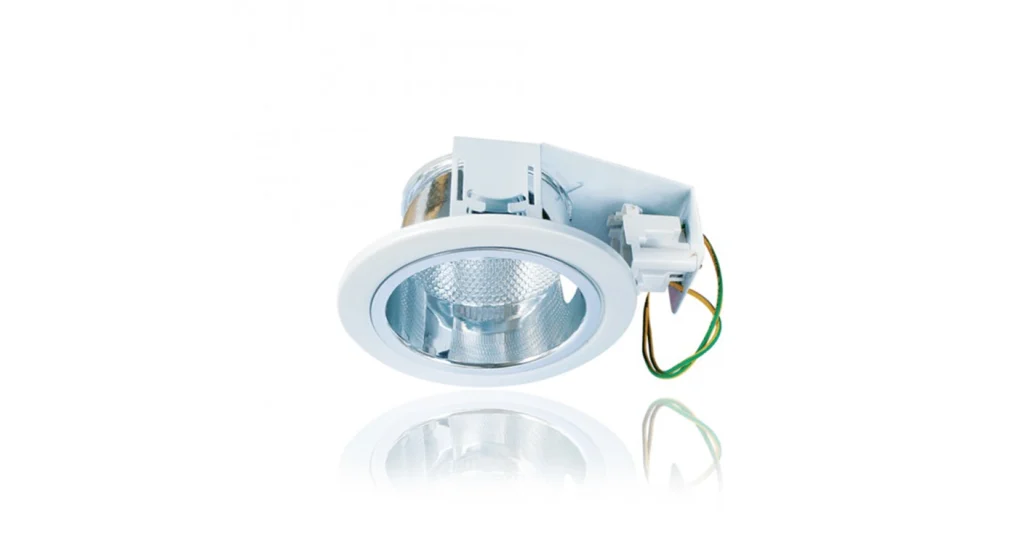
Let’s start by breaking down the name. A “PLC Downlight” refers to a recessed downlight fixture that is designed to use a specific type of light source: a PLC Lamp.
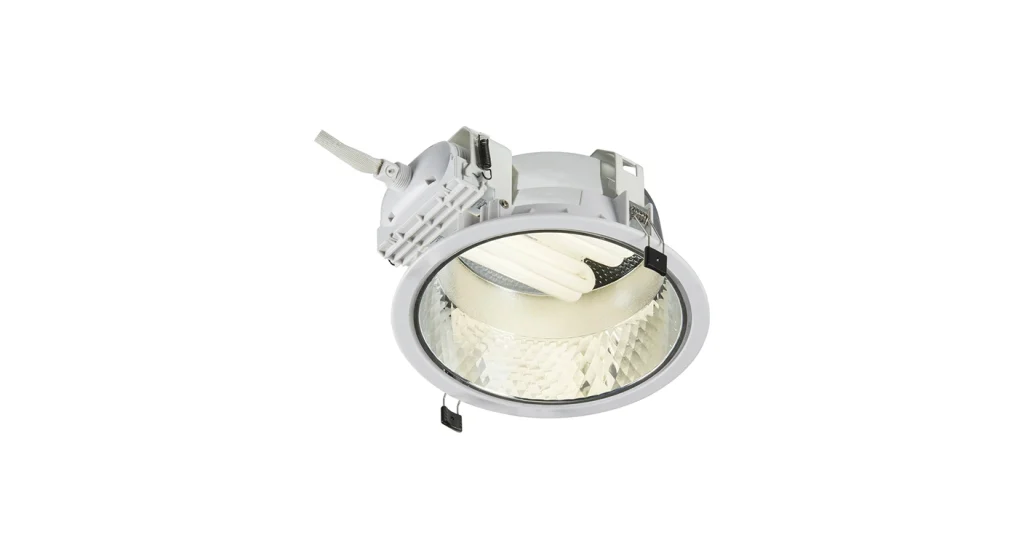
- Downlight: This is simple—it’s a light fixture that is recessed into the ceiling and casts light in a downward direction.
- PLC Lamp: This is the key. “PLC” is an industry acronym, and while its origin is debated, it effectively stands for a Plug-in Light source that uses Compact Fluorescent Lamp (CFL) technology.
So, a PLC Downlight is a recessed ceiling fixture that uses a plug-in style compact fluorescent bulb. Unlike a standard screw-in bulb, a PLC lamp has a characteristic base with two or four pins that plugs into a socket inside the downlight housing.
The Key Components: More Than Just a Bulb
A PLC downlight isn’t just a fixture; it’s a system with three critical parts:
- The PLC Lamp (Bulb): A gas-filled tube containing mercury vapor. When electricity excites the gas, it produces ultraviolet (UV) light, which then hits a phosphor coating on the inside of the tube, causing it to glow and produce visible light.
- The Ballast: This is the unseen but essential component. It’s a small box located inside or on top of the fixture housing. Its job is to regulate the electrical current, providing the initial high-voltage “kick” to start the lamp and then maintaining the correct operating current. The ballast is crucial to understand when considering an upgrade.
- The Reflector Trim: This is the visible part of the downlight (besides the bulb itself). It’s typically a cone-shaped reflector designed to direct the light downwards and reduce glare.
A Relic of Its Time: Why PLCs Were Once So Popular
Before the LED revolution, PLC downlights were a brilliant innovation. Compared to the hot, inefficient incandescent bulbs of the era, they offered significant advantages:
- Efficacité énergétique : They used about 75% less energy than their incandescent counterparts.
- Longer Lifespan: They lasted up to 10 times longer.
For any business looking to reduce energy bills and maintenance calls, switching to PLC downlights was a smart financial decision, making them ubiquitous in commercial construction for over two decades.
How to Identify a PLC Downlight: 2-Pin vs. 4-Pin Lamps
If you’re looking up into a fixture and trying to identify if it’s a PLC downlight, you’ll need to remove the bulb. You will find it has one of two base types:
- 2-Pin PLC Lamp: These bulbs have an internal “starter” built into the base of the lamp. They are designed to be used with older, magnetic ballasts.
- 4-Pin PLC Lamp: These bulbs do not have an internal starter. They are designed for use with more modern electronic ballasts, which often allowed for features like dimming and faster start-up.
Recognizing the pin configuration and understanding that a ballast is involved is the first step in planning a successful upgrade.
The Turning Point: PLC vs. LED Downlights—Why an Upgrade is a No-Brainer
This is where the conversation shifts from “what is it?” to “what should I do about it?” While PLC technology was great for its time, it is now thoroughly obsolete when compared to modern LED technology. An upgrade isn’t just a minor improvement; it’s a fundamental leap forward in performance, efficiency, and quality.
| Fonctionnalité | PLC Downlight (Compact Fluorescent) | Modern LED Downlight | The Clear Winner |
|---|---|---|---|
| efficacité énergétique | Good (for its time). A typical 13W or 26W PLC lamp. | Exceptional. An LED equivalent uses 6W-12W, a 50-70% reduction in energy use. | DIRIGÉ |
| Lifespan | 8,000 – 10,000 hours. | 25,000 – 50,000+ hours. 3 to 5 times longer. | DIRIGÉ |
| Light Quality (CRI) | Average (typically CRI 82). Colors can appear slightly washed out. | Excellent (CRI 90+ is standard). Renders vibrant, true-to-life colors. | DIRIGÉ |
| Start-up Time | Slow. Requires a “warm-up” period of seconds to minutes to reach full brightness. | Instant-On. Reaches 100% brightness immediately. | DIRIGÉ |
| Dimming Capability | Limited. Only 4-pin versions with special electronic ballasts could dim, often poorly. | Standard Feature. Smooth, flicker-free dimming down to 1% is common. | DIRIGÉ |
| Environmental Impact | Contains Mercury. Requires special disposal procedures as hazardous waste. | Mercury-Free. Safer and easier to dispose of. | DIRIGÉ |
| Entretien | Frequent bulb and ballast replacements. | Virtually maintenance-free for years. | DIRIGÉ |
The data is clear. Upgrading from PLC to LED offers massive reductions in energy consumption and maintenance costs, alongside a dramatic improvement in light quality and user experience.
The Upgrade Path: How to Replace PLC Downlights with LED
If you manage a building with hundreds of PLC downlights, you have three primary options for making the switch.
Option 1: The Plug-and-Play LED PLC Replacement
This is an LED lamp designed with a 2-pin or 4-pin base, made to plug directly into the existing PLC socket without any rewiring.
- Pros: Incredibly fast and easy installation. No electrician required.
- Cons: This is the least efficient option. The LED is still powered by the old, inefficient fluorescent ballast, which continues to consume energy. You are also leaving a major point of failure—the ballast—in the ceiling. When the old ballast eventually fails, the light will go out, and an electrician will be needed anyway.
Option 2: The Ballast-Bypass LED PLC Replacement
This is also an LED lamp with a PLC-style base, but it is designed to be wired directly to the mains voltage.
- Pros: More efficient than plug-and-play as you remove the energy-wasting ballast. You also eliminate the ballast as a future point of failure.
- Cons: This requires electrical work. An electrician must open the fixture, disconnect and “bypass” the ballast, and rewire the socket directly to the main power line. It’s a higher upfront labor cost.
Option 3: The Full LED Downlight Retrofit Kit (The Best Option)
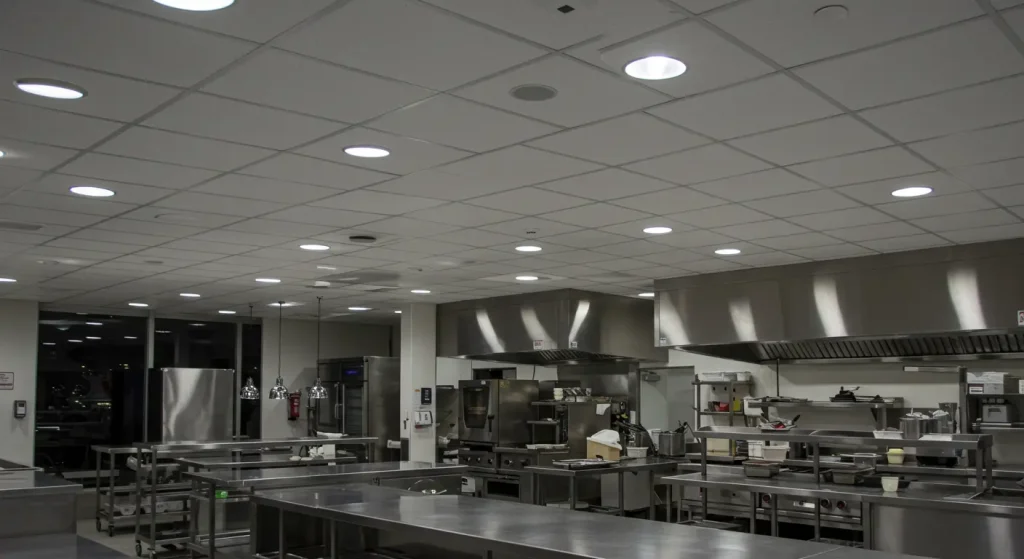
This is the most comprehensive and professional solution. A retrofit kit consists of a brand-new LED module and reflector trim that is designed to fit directly into your existing downlight housing, replacing all the old components.
- Pros:
- Best Performance: You get a complete, factory-engineered system where the LED engine, optics, and trim are perfectly matched. This provides the best light quality and glare control.
- Highest Efficiency: All components are new and optimized for LED performance.
- Total Reliability: You are replacing every part of the old system. The lifespan will be 50,000+ hours with virtually no maintenance.
- Modern Aesthetics: You get a brand-new, clean look for your ceiling.
- Cons: The highest initial material cost per fixture. However, the long-term savings in energy and maintenance almost always provide the best total cost of ownership.
The Global Push: Why Fluorescent Lighting’s Days Are Numbered
The move away from PLC and other compact fluorescent lamps isn’t just about performance; it’s a global environmental initiative. The Minamata Convention on Mercury, an international treaty, has led to countries around the world phasing out the manufacture and sale of lighting products containing mercury. As of 2025, many regions have already banned or are in the process of banning CFL, making them harder to find and more expensive.
This global phase-out means that sticking with PLC technology is no longer a viable long-term strategy. An upgrade to LED is not just a smart choice—it’s an inevitable one.
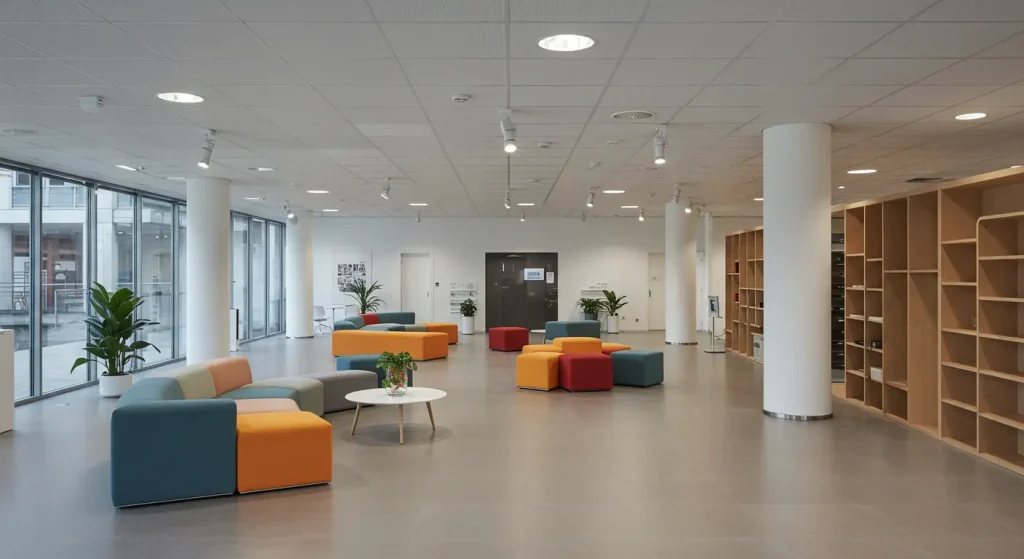
Market Trends & The ROI of an LED Retrofit
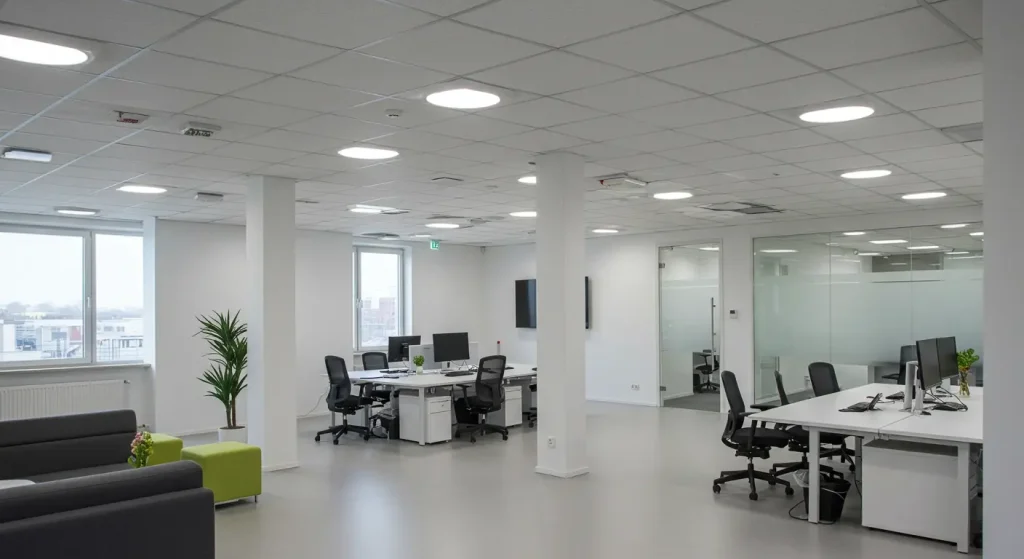
The business case for upgrading from PLC to LED is overwhelming. Let’s consider a typical office with 200 PLC downlights (26W each) running 10 hours a day.
- PLC System Energy Use: 52 kWh per day.
- LED Retrofit (9W) Energy Use: 18 kWh per day.
That’s a 65% reduction in lighting energy costs, day after day. When you add in the savings from eliminating frequent bulb and ballast replacements, the payback period for a full LED retrofit is often less than 2-3 years. Market reports from the U.S. Department of Energy and other industry bodies consistently highlight commercial lighting retrofits as one of the highest-ROI energy efficiency projects a business can undertake.
FAQ About PLC Downlight
Final conclusion: It’s time to upgrade your PLC downlight
Le PLC Downlight served its purpose well, but its time has passed. In every measurable category—efficiency, lifespan, light quality, environmental impact, and user experience—modern LED technology is vastly superior.
Holding onto an aging PLC system in 2025 means accepting:
- Higher energy bills.
- Frequent maintenance costs and disruptions.
- Poor quality of light that can impact mood and productivity.
- The environmental hazard of mercury.
- A growing difficulty in finding replacement parts.
An upgrade to a full Downlight LED retrofit system is a strategic investment in your building’s future. It lowers operating costs, improves the look and feel of your space, and aligns your facility with modern environmental and performance standards.
Ready to move your facility out of the fluorescent era and into the age of high-efficiency LED?
Planning a large-scale lighting retrofit requires expertise to ensure you choose the right products and maximize your return on investment. Our team of spécialistes de l'éclairage commercial can help you analyze your current system, calculate your potential savings, and design a comprehensive LED upgrade plan.
Contact us today for a professional consultation and let’s build a brighter, more efficient future for your space.