 XHLUX
XHLUX

Table des matières
- 1. Why Add Recessed Lighting to a Finished Ceiling?
- 2. Tools and Materials You’ll Need
- 3. Preparing for Installation: Step-by-Step
- 4. Common Challenges and How to Overcome Them
- 5. Professional Help vs. DIY: Which Is Best for You?
- 6. Why Add Recessed Lighting to Finished Ceilings
- 7. FAQ on How to Add Recessed Lighting to a Finished Ceiling
Recessed lighting, often referred to as can lights or downlights, is a stylish and practical way to illuminate your home. It’s perfect for achieving a clean, modern look while also offering focused lighting for tasks, ambiance, or accent lighting. If you have a finished ceiling and are considering adding recessed lighting, the process can seem daunting. However, with the right tools and approach, it’s entirely feasible to install recessed lights without causing extensive damage or requiring major renovations.
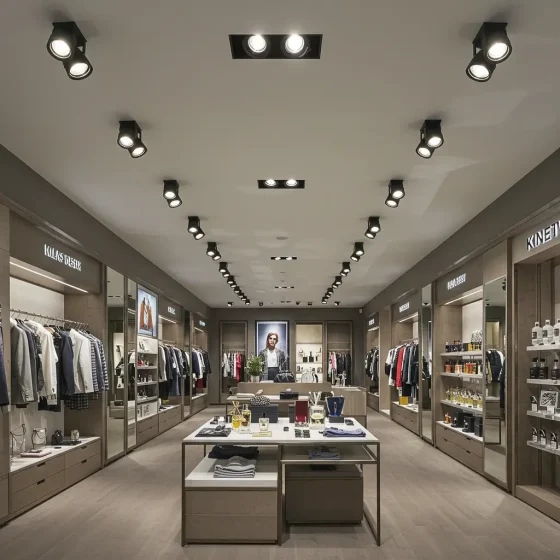
In this detailed guide, we’ll walk you through the process of adding recessed lighting to a finished ceiling, offering step-by-step instructions, pro tips, et cost-saving strategies. Whether you’re a DIY enthusiast or looking to hire a professional, this article will help you achieve your lighting goals with confidence.
1. Why Add Recessed Lighting to a Finished Ceiling?
📍 Benefits of Recessed Lighting
Before diving into the installation process, let’s first explore why recessed lighting is a popular choice for many homeowners.
- Modern and Sleek Design: Recessed lights fit seamlessly into the ceiling, providing a clean, unobtrusive look. Ideal for spaces where aesthetics are a priority, such as kitchens, living rooms, or hallways.
- Improved Lighting Control: Recessed lighting offers precise and focused light, making it ideal for task lighting in areas like kitchens or workspaces.
- Increased Home Value: Well-installed recessed lights can enhance the overall appeal of your home, potentially increasing its resale value.
📊 Market Trends
The demand for recessed lighting has steadily grown due to its aesthetic appeal and energy efficiency. According to a 2021 report from the U.S. Department of Energy, LED recessed lighting, which consumes 80% less energy than traditional incandescent bulbs, is expected to make up more than 60% of the recessed lighting market by 2025. This trend highlights the growing preference for energy-efficient lighting solutions.
2. Tools and Materials You’ll Need
Before starting your installation, it’s essential to gather all the tools and materials required for a successful project. Here’s a comprehensive list of what you’ll need:
🔧 Tools Required:
- Cordless Drill with a hole saw attachment (typically 4-6 inches for recessed lighting)
- Screwdrivers (flathead and Phillips)
- Measuring Tape for accurate spacing and alignment
- Level to ensure your lights are straight and evenly spaced
- pinces à dénuder to prepare electrical wiring
- Échelle or step stool (for reaching higher ceilings)
- Pencil for marking the ceiling
🧰 Materials Required:
- Recessed Light Housing (Can) – Select the right size and type for your ceiling and space.
- Recessed Light Bulbs (LED is most commonly used for energy efficiency and longevity)
- Electrical Wires et Connectors
- Junction Box (if necessary for wiring connections)
- Connecteurs de fils for safe and secure electrical connections
- Safety Gloves and Goggles for protection
3. Preparing for Installation: Step-by-Step
Now that you’ve gathered everything you need, it’s time to begin. The installation of recessed lighting in a finished ceiling involves a few critical steps, from planning the placement to cutting the holes and wiring. Let’s break it down:
📐 Step 1: Plan and Mark the Placement
Planning the layout is essential to ensure proper light distribution and aesthetic appeal.
- Measure and Space the Lights Evenly: Use a tape measure to determine where each light will go. For a standard ceiling height (8-9 feet), space the lights 4 to 6 feet apart. In rooms with higher ceilings, the distance may be greater.
- Determine the Ideal Distance from Walls: Generally, recessed lights should be placed 18 to 24 inches from the walls to avoid harsh shadows and ensure even lighting.
- Mark the Ceiling: Use a pencil to lightly mark the center of where each light will go. Double-check your measurements before proceeding.
✂️ Step 2: Cut the Holes for the Recessed Light Housings
Once your layout is planned, it’s time to cut the holes.
- Use a Hole Saw: Attach a hole saw to your cordless drill that matches the diameter of the recessed light housing. Typically, the housing size for residential lights is 4 to 6 inches.
- Cut the Holes: Start by drilling into the ceiling at your marked points. Be sure to cut in a straight line to ensure a clean fit for the light housing. If you have insulation in your ceiling, use a vacuum or blower to clear it out before drilling.
⚡ Step 3: Install the Recessed Light Housing
With the holes cut, you’re ready to install the light housing.
- Insert the Housing into the Hole: Position the recessed light housing into the hole. Depending on your specific model, you may need to secure it using clips or screws. Many modern housings come with spring-loaded clips that hold the fixture in place by pressing against the ceiling.
- Ensure a Tight Fit: Check the housing to ensure it’s sitting securely in place. It should fit snugly in the hole without gaps or wobbling.
🔌 Step 4: Wiring the Recessed Lights
Proper wiring is crucial for both safety and functionality. Here’s how to wire your recessed lights:
- Turn Off the Power: Always turn off the circuit breaker before working with electrical wiring to ensure safety.
- Wire the Junction Box: If you’re using a junction box, run the electrical wires into the box and connect them to the recessed light housing. Follow the wiring instructions that come with your specific light fixture.
- Connect the Wires: Using wire nuts, connect the black (hot) wire, white (neutral) wire, and ground wire to the corresponding wires in the recessed light. Make sure the connections are tight and secure.
- Insert the Bulb: Once the wiring is complete, insert the light bulb into the recessed light housing. Ampoules LED are the most energy-efficient option, providing long-lasting, low-energy illumination.
🔩 Step 5: Attach the Trim and Test the Light
Once the light housing is secured and wired:
- Attach the Trim: Most recessed light trims simply snap into place once the housing is secured. Choose a trim style that matches your design preferences.
- Test the Lights: After completing the installation, turn the power back on at the breaker panel and flip the light switch to test the recessed lights. If the lights don’t turn on, double-check the wiring connections.
4. Common Challenges and How to Overcome Them
While adding recessed lighting to a finished ceiling is a manageable DIY project, there are some potential challenges to be aware of:
💡 Problem 1: No Access to the Ceiling Cavity
If you’re installing lights in a ceiling that doesn’t have an accessible attic or crawl space, you might face challenges with wiring. In such cases, consider using remodeling recessed lights designed for installations in finished ceilings. These units typically have wiring connectors that can be accessed directly through the trim.
⚡ Problem 2: Ceiling Insulation
Insulation can be a major issue when cutting holes in a ceiling. If you have fiberglass or cellulose insulation, it will need to be pushed aside before cutting holes. Consider using IC-rated recessed lights (insulation contact-rated) if the light housing needs to come into direct contact with insulation.
📉 Problem 3: Incorrect Hole Sizes
If the hole is too large or too small, your recessed light housing might not fit properly. To avoid this, always double-check the dimensions of your light housing and use a hole saw that matches the required diameter.
5. Professional Help vs. DIY: Which Is Best for You?
If you’re comfortable with basic electrical work and ceiling modifications, installing recessed lighting yourself can save money and be quite rewarding. However, if you are unsure about the wiring process or have any concerns about safety, hiring a licensed electrician may be the best option.
- DIY Costs: If you’re doing it yourself, expect to spend between $100 and $300 for materials, including recessed light housings, bulbs, wiring, and tools.
- Professional Installation: Hiring an electrician typically costs between $125 and $300 per light (labor and materials), depending on the complexity of the installation and your geographic location.
6. Why Add Recessed Lighting to Finished Ceilings
Adding recessed lighting to a finished ceiling can dramatically improve the lighting quality and aesthetic of any room. With the right tools, materials, and a clear plan, the installation process is straightforward, even for DIYers. Remember to take the necessary safety precautions, measure carefully, and ensure proper wiring for a secure and functional installation.