XHLUX
XHLUX

A bright downlight is sized by useful light on the task plane — not by the wattage sticker on the carton.
Use this page when you are comparing heads and need a downlight brightness comparison that separates lumens from watts.
Skip it if you need install spacing geometry, energy-label decoding, or a build-quality audit — those are other guides.
If recessed vs surface vs adjustable is still open, start here:
→ LED Downlight Installation Methods: Recessed vs Surface Mount vs Adjustable
TL;DR: Read the downlight lumen rating first. Treat wattage as power input. Match led downlight lumen output and beam to room size and duty — then prove it on a sample grid if the space is critical.
Watts do not equal brightness
brightness vs wattage downlight decisions fail when teams order “the 20W one” and expect a fixed lux result.
Watts say how much power the head draws.
Lumens (and then lux on the plane) say how much light you actually get — after optic losses.
Two heads with the same wattage can look nothing alike if one dumps light into a wide flood and the other into a tight accent cone.
🎯 Why is brightness vs wattage the wrong first filter?
Wattage is input power; the downlight lumen rating plus beam decides whether the room feels bright.
How to read a downlight lumen rating
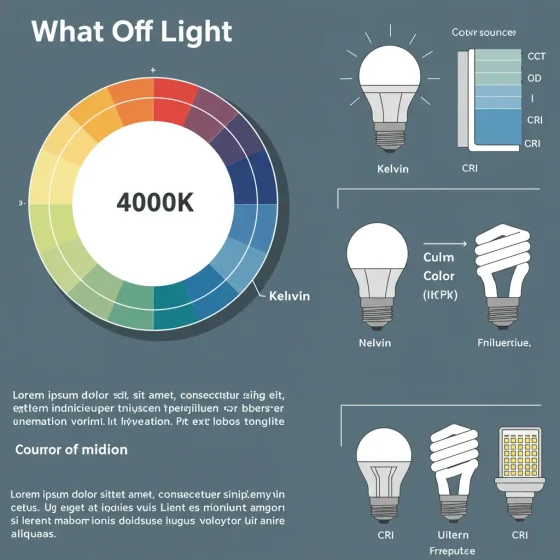
Ask for delivered lumens on the photometric path you will actually use — not only chip-source marketing lumens.
A honest downlight lumen rating states test conditions (drive current, optic, CCT).
When you need a downlight brightness comparison, hold beam angle and mounting height constant, or the numbers lie.
For a single SKU, also check whether the sheet quotes fixture lumens or bare-module fantasy lumens.
Planning bands (illustrative, not a code)
Illustrative relative bars for ambient, task, and large-room high-output downlight planning — not absolute lux standards.
Relative planning bands (illustrative)
Ambient corridors / soft fill
Bright task lighting / retail faces
Large room / high-output recessed path
Override with lux target + height + beam — never publish these bars as code.
| Duty | What to prioritise | Common mistake |
|---|---|---|
| Soft ambient | Moderate lumens, wider beam, low glare | Over-punching a small lobby |
| bright task lighting | Higher delivered lumens on the task row | Using ambient floods for detail work |
| Large volume | High-output recessed lighting count + height | One “super watt” head pretending to fill the room |
These bands are planning aids only — freeze lux targets from the consultant brief when you have one.
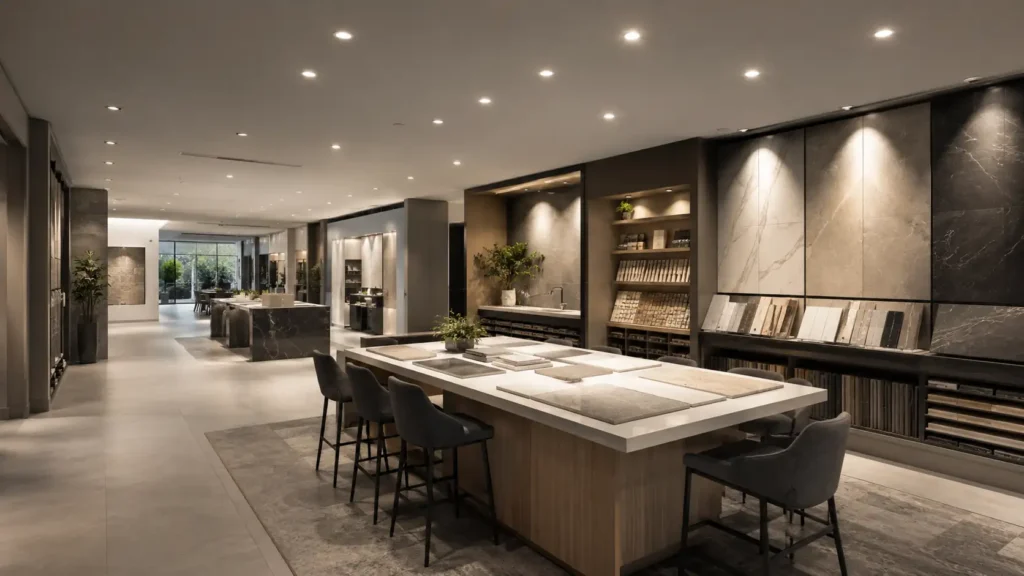
Choosing a bright downlight for a large room
choosing bright downlight for large room volumes means more than picking the single brightest downlight on a price list.
You need enough heads, the right beam family, and a high-lumen downlight package that still controls glare at normal viewing angles.
A brilliant downlight on paper can still feel dim if the beam is wrong for the throw distance.
When the brief says “make it punchy,” prove a bright led downlight sample on site before you scale the PO.
Record the bright led downlight lumen figure you accepted so replacements stay matched.
🎯 How do you size high-output recessed lighting?
Set lux and height first, then pick a high-lumen downlight beam that hits the plane without a glare complaint.
Practical downlight brightness level checks
Use this short sequence before you release wattage language into the schedule:
- Write the target lux / scene (ambient vs accent vs task).
- Pull fixture lumens + beam from the sheet — save the led downlight lumen output.
- Compare two shortlisted heads at the same height (true downlight brightness comparison).
- Reject “watts only” quotes that hide optic losses.
- If the room is large, stress-test a high-output recessed lighting layout mock, not one hero SKU.
Keep a note of the accepted downlight brightness level language so procurement cannot swap in a weaker optic later.
What this page is not
- Not a spacing calculator — rule-of-thumb spacing belongs with layout / install planning, not this lumen-vs-watts fork.
- Not a stadium projector or flashlight catalog.
- Not a build-quality or energy-label decoder (separate guides).
What to do next
- Lock mount family on the installation methods overview linked above.
- Put lumen + beam on every shortlisted line — never watts alone.
- Mock a grid for large rooms before you freeze the order.
- For commercial families, ask for photometric sheets that match the shipped optic; XHLUX can support project packs with code-matched data when you need them for bulk orders.
Preguntas frecuentes
Notes & Sources
- Lux planning still needs height, reflectance, and beam — lumen stickers alone are insufficient.
- User-authorized FAQ themes (2026-08-04) rewritten to downlight scope; stadium/flashlight and spacing encyclopedias excluded.
- Sister deep-dives for quality / price / aluminium remain outside this lumen-vs-watts decision.