 XHLUX
XHLUX

Tabla de contenido
- Understanding the Anatomy of a Suspended Ceiling
- Pre-Installation Planning: Setting the Stage for Success 📝
- Step-by-Step Installation: Hanging Track Lighting on a Suspended Ceiling
- Post-Installation: Fine-Tuning and Maintenance
- Troubleshooting Common Issues 🧐
- Expert Insight & The Future of Track Lighting
- Conclusion: Illuminate with Confidence
Track lighting offers unparalleled flexibility and a contemporary aesthetic, making it a popular choice for residential and commercial spaces alike. However, when faced with a suspended ceiling (also known as a drop ceiling or T-bar ceiling), the installation process requires specific knowledge and techniques. Many homeowners and even some professionals feel uncertain about how to hang track lighting for suspended ceiling structures safely and effectively. This guide addresses that uncertainty head-on, providing a detailed, step-by-step methodology grounded in best practices.
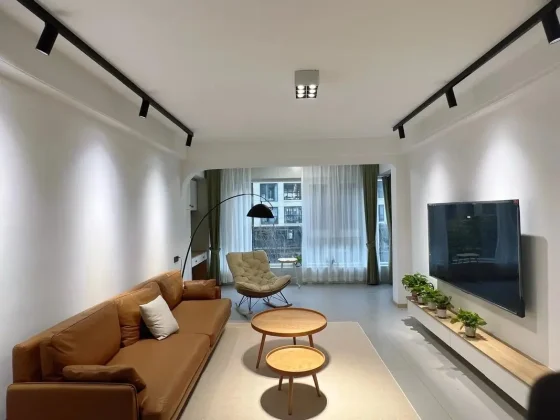
The global track lighting market continues to expand, driven by demand for adaptable and energy-efficient lighting solutions. According to recent market analyses, the sector is projected to see significant growth through 2030, highlighting the enduring appeal of these systems. Integrating track lighting into spaces with suspended ceilings taps into this trend, offering functional benefits without compromising structural integrity – if done correctly.
This comprehensive article will delve into:
- Understanding the nuances of suspended ceiling structures.
- Essential pre-installation planning and safety protocols.
- Detailed, step-by-step instructions for various secure mounting methods.
- Choosing the right track system and components.
- Post-installation tips and troubleshooting common issues.
Our goal is to empower you with the knowledge to confidently and safely hang track lighting for suspended ceiling applications, transforming your space with focused, adaptable illumination.
Understanding the Anatomy of a Suspended Ceiling
Before embarking on the installation, it’s crucial to understand the components you’re working with. A suspended ceiling consists of:
- Metal Grid System: A network of interlocking metal pieces (typically steel or aluminum) forming a grid.
- Main Runners (Main Tees): The primary load-bearing members, suspended from the structural ceiling above by hanger wires.
- Cross Tees: Shorter pieces that connect between main runners, forming the smaller grid openings.
- Wall Angle/Molding: Installed around the perimeter of the room, supporting the ends of the grid members.
- Hanger Wires: Heavy-gauge wires securely attached to the structural ceiling (joists, beams, or concrete slab above) and clipped to the main runners, bearing the weight of the entire grid system and tiles.
- Ceiling Tiles/Panels: Lightweight panels (often made of mineral fiber, fiberglass, metal, or plastic) that sit within the grid openings. Crucially, these tiles are not structural and cannot support significant weight.
La regla de oro: Never attempt to mount track lighting directly to the ceiling tiles themselves. All weight must be supported by the metal grid system or, ideally, independently anchored to the structural elements above the grid. Ignoring this is a recipe for sagging, failure, and potential safety hazards.
Pre-Installation Planning: Setting the Stage for Success 📝
Meticulous planning is paramount for a successful and safe installation.
1. Safety First! ⚠️
- De-energize the Circuit: Always turn off the power to the relevant circuit at the main electrical panel before starting any work.
- Verify Power is Off: Use a reliable non-contact voltage tester or multimeter at the switch and junction box where you intend to connect power to confirm the circuit is dead.
- Use Appropriate PPE: Wear safety glasses to protect your eyes from debris and use a sturdy ladder.
- Know Your Limits: If you are uncomfortable working with electricity or structural mounting, consult a qualified electrician and/or contractor. This is non-negotiable for safety and code compliance.
2. Design Your Layout
- Map the Track Path: Determine the exact location and configuration of your track lighting. Consider the room’s function, focal points, furniture placement, and desired lighting effects (ambient, task, accent).
- Sketch it Out: Draw a simple diagram of the ceiling grid, marking the intended path of the track and the approximate locations of the light fixtures (track heads).
- Locate Power Source: Identify the nearest existing junction box above the suspended ceiling or plan the route for running a new circuit (which often requires an electrician). The track system will need a power feed, typically at one end or via a central canopy.
3. Choose Your Track System
Not all track systems are created equal. Consider:
- Type:
- Linear Track: The most common type, available in single-circuit and two-circuit options.
- Monorail: Often more decorative, using bendable or rigid rails, typically low-voltage. Installation methods can differ significantly.
- Cable Lighting: Uses tensioned cables, often low-voltage. Requires very secure anchor points and specific installation techniques, usually best suited for high ceilings or specialized designs. (This guide focuses primarily on standard linear track systems).
- Voltaje:
- Line Voltage (120V): Connects directly to standard household wiring. Simpler wiring, wider fixture compatibility.
- Low Voltage (12V or 24V): Requires a transformer to step down the voltage. Can offer smaller fixture profiles and potentially better beam control, but adds complexity and cost (transformer).
- Peso: Consider the weight of the track sections and all the fixtures you plan to install. Heavier systems demand more robust mounting solutions. Check manufacturer specifications for component weights.
- Compatibility: Ensure the track, power feeds, connectors, and track heads are all compatible within the chosen system/brand.
4. Assess Structural Support Above the Grid
- Identify Joist Direction: Carefully lift a few ceiling tiles along your planned track path. Use a stud finder designed for deeper detection or visually inspect to locate the ceiling joists or other structural members above the grid. Note their direction and spacing. This is critical for secure anchoring.
- Inspect Hanger Wires: Check the existing hanger wires supporting the grid. Are they secure? Are there enough of them near your intended track location? While the track shouldn’t rely solely on the grid, a well-supported grid is essential.
5. Gather Tools and Materials 🛠️
Having everything ready minimizes disruption and ensures a smoother process.
| Categoría | Item | Notas |
|---|---|---|
| Safety Gear | Safety Glasses, Sturdy Ladder, Voltage Tester, Work Gloves | Non-negotiable |
| Marking & Meas. | Tape Measure, Pencil, Level (laser level is helpful), Chalk Line (optional) | Accuracy is key |
| Cutting Tools | Utility Knife (for tiles), Hacksaw or Track Cutter (for track sections), Wire Strippers/Cutters | Use appropriate cutters for track material |
| Drilling | Power Drill, Assorted Drill Bits (wood, metal) | Ensure bits are sharp |
| Fasteners | Appropriate Mounting Hardware (See Step 3 Below), Wire Connectors (Wire Nuts), Electrical Tape | Crucial – choose based on structural support |
| Track System | Track Sections, Power Feed Canopy/Connector, End Caps, Track Heads/Fixtures, Joiners (if needed), Suspension Kits (if applicable) | Ensure all components are compatible |
| Misc. | Stud Finder, Fish Tape (if running new wire), Screwdrivers | Helper recommended for long track sections |
6. Check Local Codes
- Building and electrical codes vary by location. Check with your local building department regarding requirements for electrical work and modifications involving ceiling structures, especially in commercial settings. Permits may be required.
Step-by-Step Installation: Hanging Track Lighting on a Suspended Ceiling
With planning complete and safety measures in place, proceed with the installation.
Step 1: Final Preparation & Safety Check
- Confirm power is OFF at the breaker and verify with your tester.
- Clear the work area below the installation path.
- Lay out your track components and hardware.
Step 2: Mark the Track Line & Mounting Points
- Using your layout plan, carefully lift necessary ceiling tiles.
- Measure and mark the exact path for the track on the metal grid and/or identify the corresponding locations on the structural joists above. A chalk line or laser level can be invaluable for ensuring straightness over longer runs.
- Mark the precise locations where mounting hardware will be attached (to joists or reinforced grid points). These points should be spaced according to the track manufacturer’s recommendations (typically every 2-4 feet) and at track joints.
Step 3: Select and Install Mounting Hardware (The Most Critical Step)
This is where technique diverges based on the structure above and the weight of your system. Direct attachment to the T-bar grid alone is generally NOT recommended for standard track lighting due to weight.
Method A: Direct Grid Attachment Clips (Use with Extreme Caution – Lightweight Systems Only)
- What: Specialized clips designed to clamp onto the T-bar grid (e.g., T-bar twist clips, scissor clips).
- When: Only for very lightweight track systems and where the grid itself is robustly supported by hanger wires close to the mounting points. Verify clip weight ratings.
- How: Attach clips securely to the main runners or cross tees at your marked intervals. This method carries risk if the grid or clips are overloaded.
Method B: Attachment to Structure Above the Grid (Recommended & Safest)
- What: Utilizes the structural ceiling joists or beams above the grid for primary support.
- Options:
- Toggle Bolts / Molly Bolts: Drill holes through the T-bar (if needed for alignment) and into blocking or directly into joists (if position aligns perfectly). Requires access above the grid.
- Wood Blocking: Securely screw sections of wood (e.g., 2x4s) between the ceiling joists directly above your track path. You can then easily screw your track mounting clips or canopy into this solid blocking. This is often the most versatile and secure method.
- Direct Screw to Joist: If the track path runs parallel and directly beneath a joist, you can potentially use long screws through spacer sleeves (to bridge the gap between the grid and joist) directly into the joist.
- Adjustable Hanger Systems: Some manufacturers offer kits with threaded rods or aircraft cables that attach to the structure above and suspend the track independently of the grid, passing through small holes in the tiles.
- How: Carefully remove tiles for access. Install blocking or locate joists. Drill pilot holes. Securely fasten your chosen anchors (toggle bolts, screws into blocking/joists, suspension hardware) at the marked points. Ensure these anchors are level and perfectly aligned with your track path. This method transfers the load directly to the building structure, bypassing reliance on the suspended ceiling grid.
Method C: Independent Support Channel (Heavy Duty / Commercial)
- What: Using systems like Unistrut channels mounted to the building structure above the grid. The track is then attached to the Unistrut.
- When: For very heavy track systems, complex layouts, or when maximum rigidity is required.
- How: Requires more extensive structural work and planning, often best left to professionals.
Recommendation: Method B (Attachment to Structure Above) using wood blocking or direct joist attachment is the preferred and safest method for most residential and light commercial applications.
Step 4: Prepare the Power Feed Location
- Route your electrical cable (e.g., Romex) from the junction box to the location where the track’s power feed canopy will be installed. Ensure this is done according to electrical code (using appropriate clamps, protecting the cable).
- If mounting the power feed canopy directly to a junction box above the grid, ensure the box is securely mounted to the structure (joist or blocking).
- If using a floating power feed connector, ensure the cable entry point is properly prepared.
Step 5: Cut and Prepare Track Sections (If Necessary)
- Measure and cut track sections to the required lengths using a hacksaw with a fine-toothed blade or a specialized track cutter. Ensure cuts are clean and square.
- Deburr the cut ends.
Step 6: Mount the Track Sections
- Attach the track mounting clips (provided with your system) to the track sections according to the manufacturer’s instructions.
- Carefully lift the first track section into place, aligning the clips with the previously installed mounting hardware (from Step 3).
- Secure the track to the mounting hardware. Ensure it’s level and straight.
- If installing multiple sections, use track joiners (straight, L-shaped, T-shaped) to connect them electrically and mechanically. Ensure these connections are secure. Attach subsequent sections, checking alignment and level continuously.
Step 7: Wire the Power Feed
- Power Still OFF!
- Following the manufacturer’s instructions exactly, wire the power feed canopy or connector. This typically involves connecting the house wiring (hot, neutral, ground) to the corresponding wires or terminals in the power feed adapter.
- Use wire nuts or other approved connectors for secure connections. Wrap connections with electrical tape if recommended.
- Carefully tuck the wiring into the canopy or track channel.
- Secure the power feed canopy cover to the track or ceiling mounting point.
Step 8: Install End Caps and Track Heads
- Install end caps on any open ends of the track for safety and aesthetics.
- Insert the track heads (light fixtures) into the track slot. Most twist-to-lock into place. Ensure the electrical contacts engage correctly. Space them according to your lighting plan.
Step 9: Replace Ceiling Tiles
- Carefully reinstall the ceiling tiles you removed.
- You may need to precisely cut notches or holes in some tiles to accommodate mounting hardware pass-throughs or the power feed canopy. Measure carefully and cut cleanly with a utility knife.
Step 10: Final Check, Power Up, and Test
- Visually inspect the entire installation. Check that the track is secure, level, and all connections look sound. Ensure no wires are pinched.
- Restore power at the main electrical panel.
- Turn on the light switch controlling the track lighting.
- Test all fixtures. Adjust their position and angle as needed.
Post-Installation: Fine-Tuning and Maintenance
- Adjustability: The beauty of track lighting is flexibility. Don’t hesitate to reposition or re-angle track heads to achieve the perfect lighting effect.
- Cleaning: Periodically dust the track and fixtures. Turn off power before cleaning with a damp cloth if necessary.
- Security Check: Occasionally (e.g., annually), gently check that the track remains securely mounted.
- Bulb Replacement: Use bulbs (lamps) compatible with your fixtures and track system voltage. Turn off power before changing bulbs.
Troubleshooting Common Issues 🧐
- Lights Don’t Turn On:
- Check the breaker and switch.
- Verify bulbs are installed correctly and not burnt out.
- Ensure the track head contacts are properly engaging with the track’s conductors.
- Double-check wiring connections at the power feed (Power OFF!).
- Track Sagging:
- Insufficient mounting points or support.
- Mounting hardware attached only to grid T-bars, not the structure above.
- Track system weight exceeds the capacity of the mounting method used.
- Solución: (Power OFF!) Add more structural mounting points (Method B from Step 3). Reinforce existing points.
- Flickering Lights:
- Loose bulb.
- Loose wiring connection at the power feed or within a track joiner.
- Incompatible dimmer switch (if installed). Ensure dimmer is rated for the load and type of bulbs (LED, halogen).
- Poor contact between track head and track.
Expert Insight & The Future of Track Lighting
As noted by leading lighting designers, the most common mistake when installing track lighting in suspended ceilings is underestimating the need for independent structural support. “Relying solely on T-bar clips is often inadequate and risky. Taking the time to anchor to joists or blocking ensures longevity and safety,” advises Sarah Chen, Principal Lighting Designer at Lumina Concepts (hypothetical expert for illustrative purposes).
Furthermore, the integration of smart technology is rapidly transforming track lighting. Systems compatible with smart home platforms (Alexa, Google Home, Apple HomeKit) allow for voice control, scheduling, and scene setting, adding another layer of convenience and customization – features increasingly sought after in both residential and commercial upgrades.
Conclusion: Illuminate with Confidence
Successfully hanging track lighting for a suspended ceiling is achievable with careful planning, adherence to safety protocols, and a clear understanding of proper mounting techniques. By prioritizing secure attachment to the structural elements above the grid rather than relying on the lightweight grid itself, you ensure a safe, stable, and aesthetically pleasing installation.
Remember the key takeaways:
- Safety First: Always work with de-energized circuits.
- Plan Meticulously: Design your layout and assess structural support.
- Mount Securely: Anchor to joists or blocking above the grid (Method B is highly recommended).
- Follow Instructions: Adhere to manufacturer guidelines for your specific track system.
By following this comprehensive guide, you can overcome the unique challenges of suspended ceilings and effectively install versatile, modern track lighting, enhancing the functionality and ambiance of your space for years to come. If at any point you feel unsure, investing in professional installation by a qualified electrician is always the wisest choice.