 XHLUX
XHLUX

Tabla de contenido
- Finding the Right Dimmable Track Lights Manufacturer
- Key Attributes of a Leading Dimmable Track Lights Factory
- Understanding the Manufacturing Process at a Dimmable Track Lights Factory
- Market Trends & Innovations for Dimmable Track Lights in 2025
- What to Ask Your Prospective Dimmable Track Lights Factory
- Correctly Choose The Top Track Light Factory
The modern lighting landscape demands flexibility, precision, and efficiency. At the heart of many sophisticated illumination projects, from high-end retail spaces to adaptable residential environments, are dimmable track lights. For lighting brands, distributors, and project managers, finding the right Dimmable Track Lights Factory isn’t just about sourcing a product; it’s about securing a strategic partner capable of delivering innovation, quality, and reliability. As we move through 2025, the criteria for selecting such a factory have evolved, emphasizing advanced technology, sustainable practices, and a deep understanding of market dynamics.
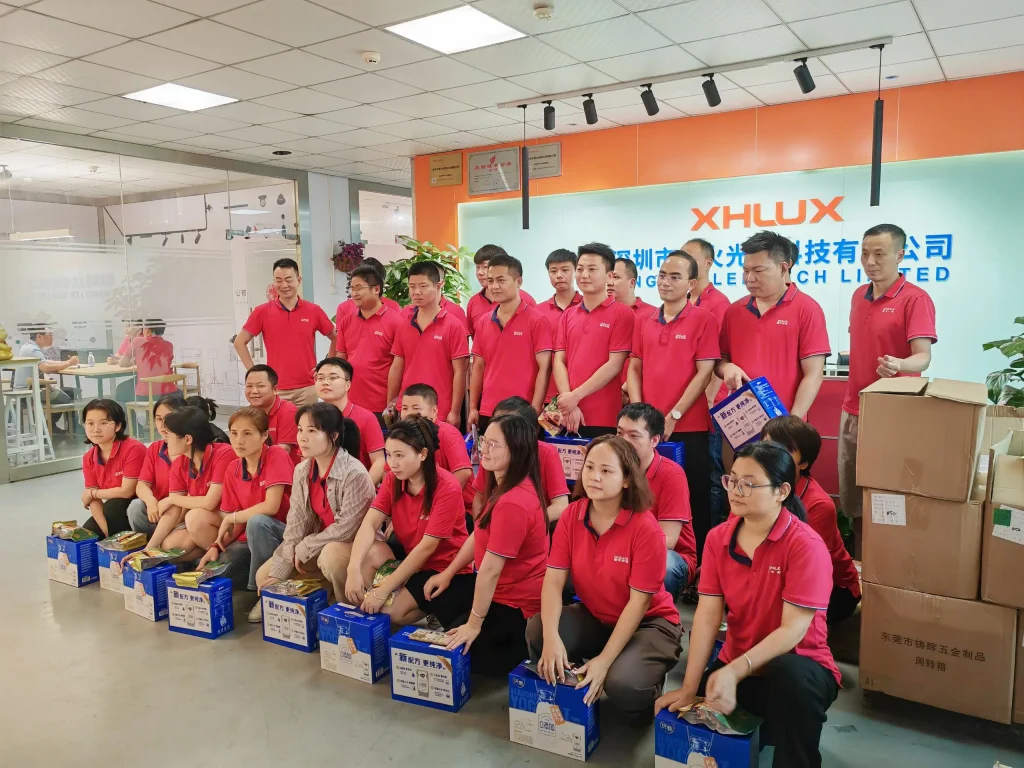
This in-depth guide will equip you with the insights necessary to identify and engage with a top-tier fabricante de focos regulables para rieles, ensuring your projects are future-proofed and your supply chain is robust.
Finding the Right Dimmable Track Lights Manufacturer
In 2025, the complexity of dimmable LED track light production has increased significantly. It’s no longer just about assembling components. It involves:
- Advanced Dimming Protocols: Compatibility with DALI, 0-10V, Triac, Bluetooth Mesh, and Zigbee.
- Optical Precision: Delivering precise beam angles with minimal glare for diverse applications.
- Thermal Management: Ensuring longevity and consistent performance of LED chips.
- Smart Integration: Seamless connectivity with smart home and building management systems.
- Certification and Compliance: Navigating a labyrinth of international safety and performance standards.
A factory excelling in these areas becomes an invaluable asset, directly impacting your product’s market acceptance and long-term success.
Key Attributes of a Leading Dimmable Track Lights Factory
Selecting a manufacturing partner requires a meticulous evaluation of their capabilities, infrastructure, and commitment to excellence. Here are the paramount attributes to scrutinize:
1. Unrivalled Manufacturing Capabilities & Capacity
A reputable dimmable track lights factory boasts state-of-the-art production lines, capable of handling varying order volumes from small custom batches to large-scale mass production. This includes:
- Automated Assembly: Reducing human error and increasing efficiency.
- Precision Machining: For intricate housing designs and optical components.
- Advanced SMT (Surface Mount Technology) Lines: For accurate placement of LED chips and drivers.
- Scalability: The ability to ramp up production quickly to meet peak demands without compromising quality.
An ideal factory will be transparent about their production capacity and lead times, offering realistic schedules for your projects.
2. Deep Expertise in Dimming Technology and Smart Integration
The “dimmable” aspect of track lights is their defining feature, and the factory’s proficiency in this area is non-negotiable. Look for factories with a proven track record in:
- Comprehensive Dimming Protocol Support: As mentioned earlier, true versatility means supporting Triac, 0-10V, DALI (Digital Addressable Lighting Interface), Bluetooth Mesh, and Zigbee dimming. This ensures your products can integrate into virtually any control system.
- Flicker-Free Performance: Crucial for user comfort and professional applications, particularly in video recording environments.
- Seamless Smart Home/BMS Integration: Expertise in developing track lights that connect effortlessly with systems like Google Home, Amazon Alexa, Apple HomeKit, and commercial building management systems. This is where a smart track lighting manufacturer truly shines.
- Custom Dimming Curves: Ability to program specific dimming behaviours to meet unique application needs (e.g., smooth linear dimming for theatres, rapid response for retail displays).
3. Robust Quality Control (QC) and Certification Acumen
Quality is paramount. A top-tier dimmable track lighting production facility integrates quality control at every stage, not just at the end. Their QC protocols should include:
- Incoming Quality Control (IQC): Thorough inspection of all raw materials and components upon arrival.
- In-Process Quality Control (IPQC): Monitoring and inspection throughout the assembly line.
- Final Quality Control (FQC): Comprehensive testing of finished products before packaging.
- Out-going Quality Control (OQC): Random sampling and inspection of packed goods before shipment.
Furthermore, they must possess the necessary certifications for your target markets:
- Safety Standards: UL (for North America), CE (for Europe), SAA (for Australia), PSE (for Japan).
- Environmental Compliance: RoHS, REACH, and potentially specific eco-design directives.
- Quality Management Systems: ISO 9001 (Quality Management) and ISO 14001 (Environmental Management).
A certified dimmable track light factory provides assurance that your products meet global standards and can be legally sold.
4. Strong R&D and Innovation Pipeline
The lighting industry is dynamic. A leading factory isn’t just a manufacturer; it’s a hub of innovation. Look for:
- Dedicated R&D Team: Engineers specializing in optics, electronics, thermal management, and industrial design.
- Patent Portfolio: An indicator of their commitment to developing proprietary technologies.
- Proactive Trend Adoption: Keeping pace with and even leading trends like Human-Centric Lighting (HCL), sustainable materials, and advanced sensor integration. A factory that can develop custom dimmable track lighting solutions is a true partner in innovation.
Understanding the Manufacturing Process at a Dimmable Track Lights Factory
A transparent manufacturing process is a hallmark of a reliable factory. Here’s a simplified overview of how high-quality dimmable track lights are brought to life:
| Stage | Descripción | Key Considerations for Buyers |
|---|---|---|
| 1. Design & Engineering | Translating client specifications or internal designs into detailed schematics, including optical, electrical, and mechanical components. | Personalización: Does the factory offer OEM/ODM services for unique designs? Prototyping: How quickly can they produce samples? |
| 2. Material Sourcing | Procuring high-quality components (LED chips, drivers, heat sinks, housing materials, dimming modules) from trusted suppliers. | Supplier Network: Are they sourcing from reputable brands (e.g., CREE, Philips, Osram LEDs; Meanwell, Tridonic drivers)? |
| 3. Component Fabrication | Manufacturing individual parts like aluminum housings (die-casting/extrusion), PCBs (Printed Circuit Boards), and optical lenses. | Precision: Do they use CNC machining for tight tolerances? Tooling: Are molds high-quality and well-maintained? |
| 4. SMT & Driver Assembly | Automated mounting of LED chips, resistors, and other electronic components onto PCBs; assembly of the LED driver circuit. | Automation: High automation reduces error. Testing: Are driver boards tested before final assembly? |
| 5. Final Assembly | Integrating all components: LED module, driver, heat sink, reflector/lens, and housing. | Cleanroom Environment: For optics, to prevent dust contamination. Skilled Labour: For intricate wiring and assembly. |
| 6. Testing & Calibration | Comprehensive testing including electrical safety, photometric performance (lumen output, CCT, CRI), dimming compatibility, and burn-in tests to weed out early failures. | Equipment: Do they have advanced integrating spheres and goniophotometers? Burn-in Time: Minimum 24-48 hours. |
| 7. Quality Control & Packing | Final visual inspection, dimensional checks, and functional tests. Packaging according to client specifications and international shipping standards. | Packing Robustness: Does packaging protect against transit damage? Labeling: Accurate product and compliance labeling. |
Market Trends & Innovations for Dimmable Track Lights in 2025
A truly forward-thinking Dimmable Track Lights Factory will not just react to trends but actively drive them. Here’s what’s shaping the market in 2025:
1. Human-Centric Lighting (HCL) Integration
The emphasis is shifting from mere illumination to lighting that supports human well-being. This involves:
- Tunable White Technology: Allowing users to dynamically adjust the colour temperature (from warm 2700K to cool 6500K) to mimic natural daylight cycles, supporting circadian rhythms in offices, schools, healthcare, and residential spaces. Leading dimmable track light suppliers are prioritizing this.
- Circadian-Friendly Dimming: Smooth, flicker-free dimming across the entire range, ensuring comfort and reducing eye strain, especially in applications where occupants spend long hours under artificial light.
Market reports indicate a significant surge in demand for HCL solutions, with projections suggesting a CAGR of over 20% for the HCL market segment through 2028. Factories capable of expertly integrating tunable white and sophisticated dimming are highly desirable.
2. Miniaturization and Aesthetic Versatility
Design plays a pivotal role in modern architecture and interior design. Factories are responding with:
- Sleeker Profiles: Smaller, more discreet track heads that seamlessly integrate into ceilings, making the light source less obtrusive.
- Magnetic Track Systems: Offering unparalleled flexibility for repositioning and swapping light fixtures without tools, ideal for retail and galleries.
- Custom Finishes & Materials: Beyond standard black and white, offering options like brushed brass, matte gold, or specific RAL colours to match diverse design schemes. This caters to bespoke track lighting manufacturing.
3. Advanced Connectivity and IoT Ecosystems
The smart home and smart building revolution continues apace. Dimmable track lights are becoming integral components of interconnected ecosystems:
- Bluetooth Mesh & Zigbee: These low-power wireless protocols enable robust mesh networks for extensive control, scheduling, and scene setting without complex wiring.
- Li-Fi Integration (Emerging): While still nascent, some cutting-edge factories are exploring Li-Fi (Light Fidelity) for data transmission through light, opening new possibilities for location-based services and secure communication.
- Open API Compatibility: Ensuring their products can be easily integrated by third-party developers and system integrators.
4. Enhanced Sustainability and Circular Economy Principles
Environmental responsibility is no longer optional. Leading factories are embracing:
- Eficiencia energética: Pushing the boundaries of lumens per watt with advanced LED technology and highly efficient drivers, yielding genuine energy-efficient track light manufacturing.
- Recyclable Materials: Designing products with easily separable and recyclable components (e.g., aluminum housings, glass lenses).
- Modular Design for Repairability: Enabling easy replacement of drivers or LED modules to extend product lifespan and reduce waste.
- Reduced Carbon Footprint: Implementing greener manufacturing processes, reducing waste, and minimizing energy consumption in their own operations.
What to Ask Your Prospective Dimmable Track Lights Factory
Before committing to a partnership, a thorough due diligence process is essential. Here are critical questions to ask:
- “What are your primary dimming protocol specializations, and can you provide case studies of successful integrations with complex control systems (e.g., large-scale DALI networks)?” This probes their technical depth.
- “Can you provide a detailed breakdown of your quality control procedures at each manufacturing stage, including testing equipment and typical burn-in periods for your products?” This assesses their commitment to consistent quality.
- “How do you ensure the protection of our intellectual property and proprietary designs throughout the design and manufacturing process?” Essential for safeguarding your brand’s unique assets.
- “What are your typical lead times for initial prototypes, small-batch orders, and high-volume production runs, and how do you manage potential supply chain disruptions?” Addresses scalability and reliability.
- “What certifications (UL, CE, RoHS, SAA, etc.) do you hold for your dimmable track light products, and how do you stay updated with evolving international standards?” Ensures compliance and market access.
- “Can you demonstrate your R&D capabilities, perhaps through a portfolio of patented technologies or recently launched innovative products?” Reveals their capacity for continuous innovation.
- “What are your practices regarding sustainable manufacturing, material sourcing, and waste reduction?” Aligns with environmental responsibility.
Correctly Choose The Top Track Light Factory
Selecting the right Dimmable Track Lights Factory is a strategic decision that reverberates throughout your product lifecycle, impacting everything from design flexibility and product quality to market speed and profitability. In 2025, the ideal partner is more than just a production facility; it’s a collaborative force that brings deep technical expertise, stringent quality standards, an innovative spirit, and a clear understanding of global market demands.
By prioritizing factories that demonstrate mastery in advanced dimming technologies, smart integration, human-centric design, and sustainable practices, you’re not just buying a product; you’re investing in a long-term partnership that will illuminate your path to market leadership and enduring success.
Ready to partner with a world-class Dimmable Track Lights Factory that aligns with your vision for innovation and quality?
Contact us today to explore our advanced manufacturing capabilities, discuss your specific project requirements, and discover how our expertise can bring your next generation of dimmable track lighting to life. Let’s build the future of illumination, together.