 XHLUX
XHLUX

Inhaltsverzeichnis
- What Is Glare in Hospitality Lighting?
- Why Hospitality Guests Are More Sensitive to Glare
- How Glare Directly Affects Guest Comfort
- Common Sources of Glare in Hospitality Lighting
- Glare Issues in Different Hospitality Areas
- How to Reduce Glare in Hospitality Lighting Design
- Glare Control vs Brightness – A Common Misunderstanding
- Why Low-Glare Lighting Improves Hospitality Brand Experience
- Common Glare Control Mistakes in Hospitality Projects
- How to Design Hospitality Lighting That Prioritizes Guest Comfort
- FAQ About glare in hospitality lighting
- Abschluss
Many hotels and restaurants look visually impressive at first glance. Premium materials, refined interiors, and modern LED lighting systems create a strong visual impact. Yet despite meeting brightness targets and design expectations, guests often describe these spaces as uncomfortable, harsh, or visually tiring.
The reason is often invisible—but powerful.That reason is glare.
In hospitality environments, glare is not a minor technical issue. It is an experience-level problem that directly affects guest comfort, emotional relaxation, and long-term brand perception. Understanding glare from a human-eye perspective, rather than focusing only on lumen output, is essential for successful hospitality lighting design.
What Is Glare in Hospitality Lighting?
Glare is often mistaken for “too much light.” In reality, glare is about how light reaches the human eye, not how bright a space appears overall.
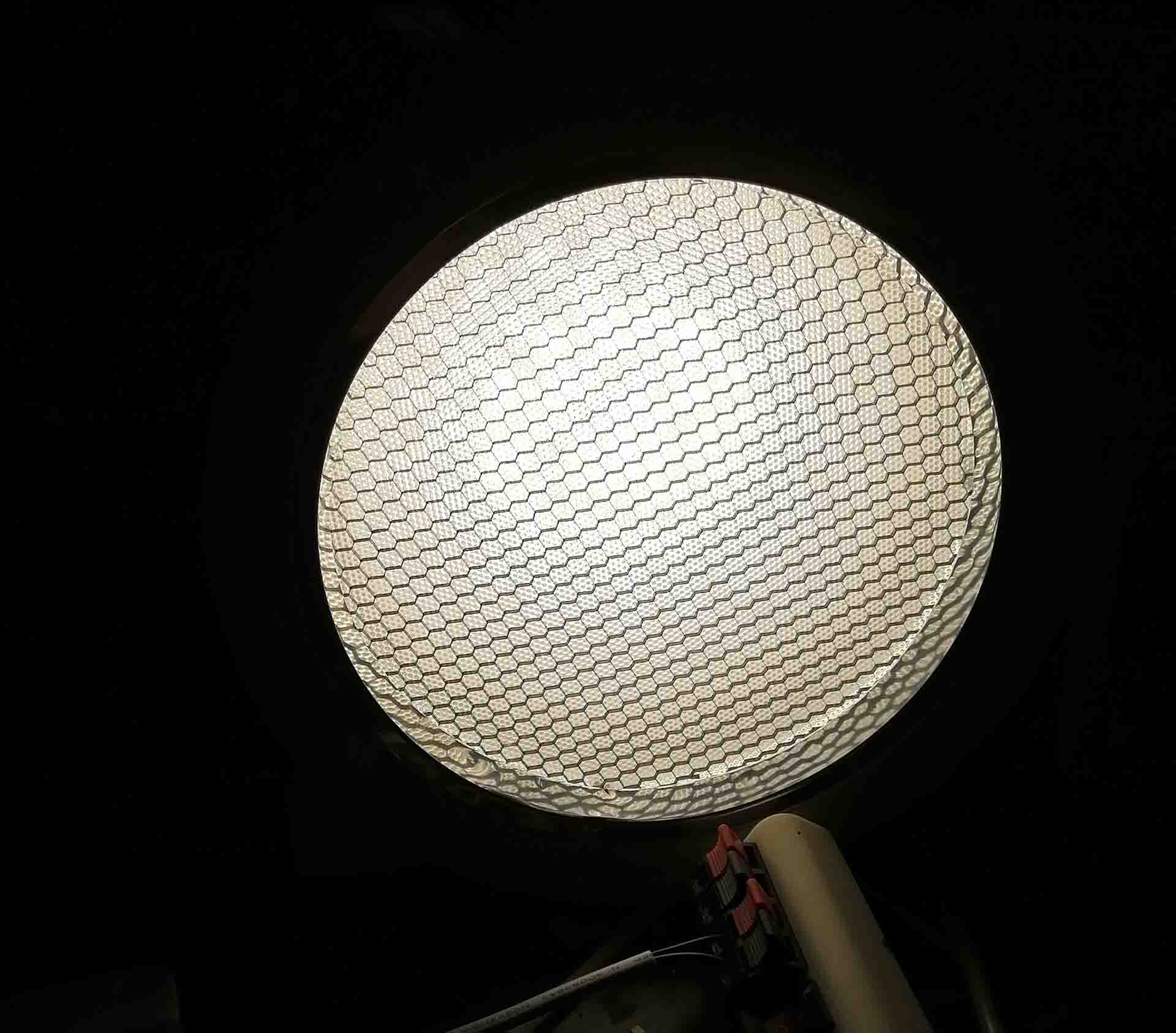
In lighting engineering, glare refers to excessive or poorly controlled luminance that causes discomfort or reduces visual performance. According to the Illuminating Engineering Society (IES), glare is a key factor influencing visual comfort in architectural environments.
There are two main types of glare in hospitality lighting:
Discomfort Glare
Discomfort glare causes irritation and visual fatigue without completely blocking vision. Guests may not consciously identify the problem, but they feel tense, squint slightly, or describe the space as “sharp” or “not relaxing.”
Disability Glare
Disability glare reduces visibility and contrast, making it difficult to see clearly—especially in low-light environments such as hotel corridors at night. This type of glare can also pose safety risks.
Glare is not about brightness. Glare is about uncontrolled brightness entering the eye.
Why Hospitality Guests Are More Sensitive to Glare
Hospitality lighting is fundamentally different from office or retail lighting because the emotional expectations are different.
Night-Time Usage
Hotels and restaurants are primarily used in the evening and at night. Under low ambient conditions, the human eye becomes more sensitive to contrast and high-luminance light sources.
Relaxation-Oriented Environment
Guests are not performing visual tasks. They are dining, resting, or socializing. Any visual disturbance—especially glare—breaks the emotional comfort hospitality spaces are meant to provide.
Prolonged Exposure
Guests may sit under the same lighting conditions for hours or repeatedly pass through corridors late at night. Even mild glare becomes noticeable over time.
How Glare Directly Affects Guest Comfort
Visual Fatigue and Eye Strain
Unshielded LED downlights or poorly aimed track lights force the eyes to constantly adapt, leading to fatigue and discomfort.

Reduced Sense of Relaxation
Harsh brightness contrasts make spaces feel cold and overstimulating instead of calm and welcoming.
Negative Perception of Space Quality
Even high-end interiors can feel “cheap” or poorly designed when glare is present. Guests may not blame the lighting directly, but the overall impression suffers.
Common Sources of Glare in Hospitality Lighting
- Shallow recessed LED downlights with visible light sources
- Narrow-beam track lights aimed at eye level
- Overpowered fixtures selected only by lumen output
- Poor optical shielding and reflector design
These issues often occur when retail or office lighting products are used in hospitality projects without proper adaptation.
Glare Issues in Different Hospitality Areas
| Area | Viewing Angle | Glare Risk | Key Cause | Design Focus |
|---|---|---|---|---|
| Hotel Lobby | Standing, long sightlines | Mittel bis hoch | High-luminance downlights | Shielding + vertical lighting |
| Restaurant Dining | Seated eye level | Hoch | Direct-view fixtures | Cut-off angle & aiming |
| Corridors | Night adaptation | Hoch | Bright points in low ambient | Uniform low luminance |
| Guestrooms | Reclined view | Mittel bis hoch | Visible sources near bed | Indirect lighting |
How to Reduce Glare in Hospitality Lighting Design
Use Low-Glare Lighting Fixtures
Deep recessed structures, proper cut-off angles, and honeycomb or louver designs prevent direct view of the LED source.
For hospitality projects, this is why anti-glare LED downlights designed specifically for comfort-focused environments are essential.👉 Anti-glare LED downlights
Select Appropriate Beam Angles
Extremely narrow beams increase contrast and glare risk. Medium beam angles with soft edges create smoother visual transitions.
Optimize Fixture Placement and Aiming
Aiming fixtures at 30°–45° relative to the viewing direction reduces glare while maintaining effective illumination.
Glare Control vs Brightness – A Common Misunderstanding

Reducing brightness alone does not solve glare.
Der Einheitliche Blendungsbewertung (UGR) system explains why glare depends on the entire lighting system, not just light output.
You can find the technical background of UGR on Wikipedia
and further engineering explanations from the DesignLights Consortium (DLC).
True glare control comes from:
- Optical design
- Shielding and cut-off
- Layered lighting strategies
- Correct aiming and spacing
Why Low-Glare Lighting Improves Hospitality Brand Experience
Guests may not remember specific luminaires—but they always remember how a space made them feel.
Low-glare lighting creates:
- Calm, welcoming environments
- Higher perceived quality
- Longer dwell time
- Better reviews and repeat visits
This makes glare control an invisible luxury feature in hospitality design.
Common Glare Control Mistakes in Hospitality Projects
- Selecting fixtures based only on lumen output
- Relying solely on UGR values without real-world testing
- Using retail lighting products in hotel or restaurant projects
- Ignoring seated and nighttime viewing conditions
How to Design Hospitality Lighting That Prioritizes Guest Comfort
A comfort-first hospitality lighting checklist includes:
- Low-glare luminaires with proper shielding
- Correct beam angles for each zone
- Layered lighting (ambient, accent, decorative)
- Nighttime mock-up testing from guest eye level
In real hotel and restaurant projects, switching to dedicated low-glare fixtures and optimized aiming has significantly reduced guest complaints—without increasing energy consumption.
For full hospitality lighting planning support, visit:👉 Beleuchtungslösungen für das Gastgewerbe
FAQ About glare in hospitality lighting
What causes glare in hospitality lighting?
Exposed light sources, excessive luminance, and poor optical control.
How does glare affect hotel guests?
It causes eye strain, discomfort, and reduces relaxation.
What is low-glare lighting?
Lighting designed to minimize direct view of bright sources through shielding and optics.
Is glare worse in restaurants or hotels?
Restaurants are often more sensitive due to seated eye-level viewing.
How do designers control glare in hospitality spaces?
Through fixture selection, beam control, aiming, and layered lighting design.
Abschluss
Glare is one of the most underestimated risks in hospitality lighting. It silently undermines comfort, atmosphere, and brand perception—even in visually impressive spaces.
By prioritizing low-glare lighting design, hospitality projects can deliver environments that feel calm, refined, and genuinely comfortable.
👉 If you are planning a hotel or restaurant project and need support with low-glare fixture selection and hospitality lighting solutions, explore: https://xhlux.com/servicesolution/