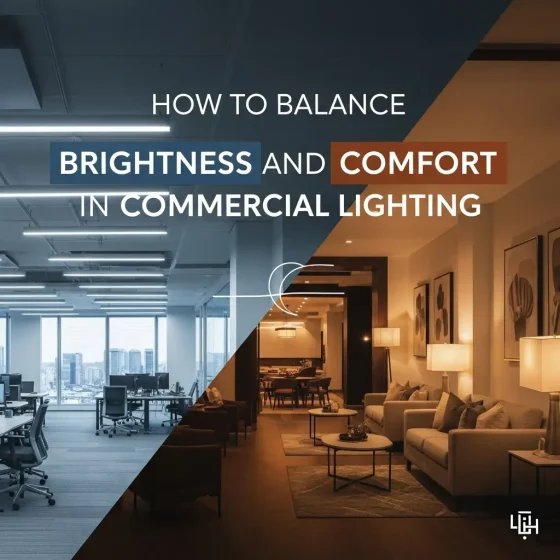
The development of lighting technology has provided us with more options. As an emerging lighting method, LED track lighting, with its high efficiency, energy-saving, and flexibility, is gradually becoming a popular choice for modern space lighting. This article will provide a detailed introduction to the features and advantages of LED track lighting. First, we define LED track lighting and its main components, then focus on analyzing its advantages such as energy efficiency, strong flexibility, and diversified lighting effects.
Next, we explore the applications of LED track lighting in various scenarios, such as home decoration, commercial spaces, and public places. Finally, we offer tips and advice on selection, installation, and maintenance to help you choose and use the LED track lighting system that best suits your needs.
1. Overview of LED Track Lighting System
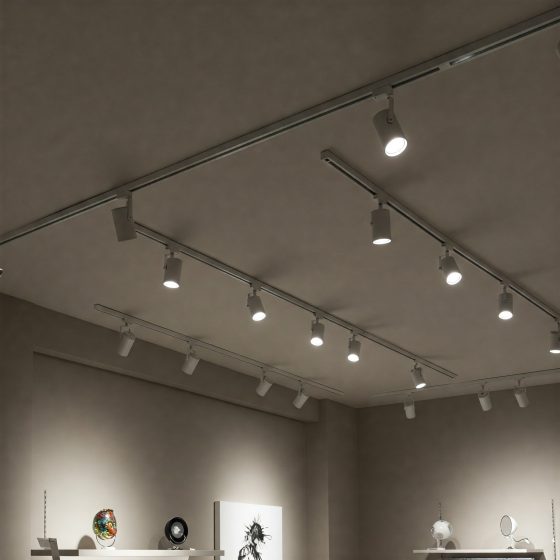
LED track lighting systems are an efficient and energy-saving lighting solution that combines LED light sources with track fixtures to provide flexible lighting adjustments. They are widely used in commercial, exhibition, and interior design applications, featuring long lifespan, low energy consumption, and high-quality lighting effects. The system consists of several main components:
Schiene:
The track is the foundation of the LED track lighting system, usually made of metal materials.
It provides power supply and mechanical support, serving as a carrier for fixture installation.
Tracks are available in various shapes and sizes to meet different space and aesthetic requirements.
Fixture:
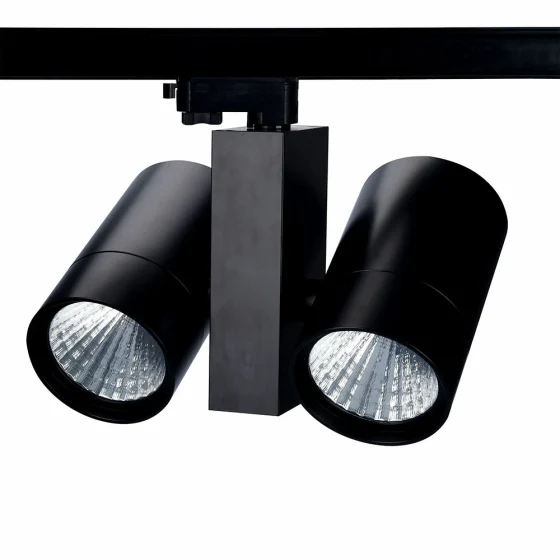
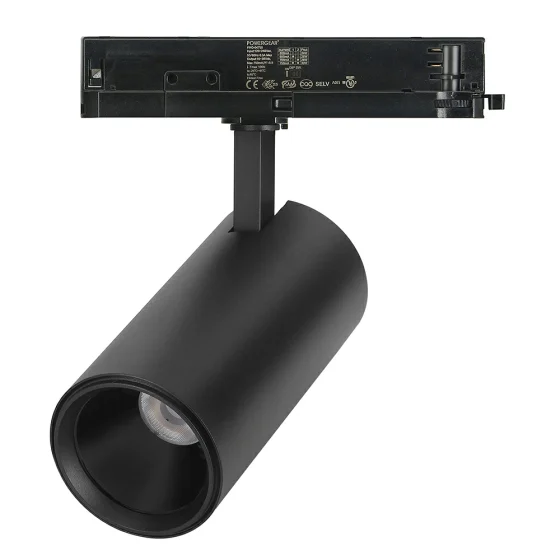
The fixture is the core component of the LED track lighting system, responsible for emitting light.
The fixture includes the LED light source, driver, and housing.
Fixtures come in various shapes, power ratings, and optical designs to meet different lighting needs.
Connector:
The connector is used to install the fixtures and connect them to the track’s power supply.
Common types of connectors include plug-in and spring-clamp styles, ensuring a reliable connection for the fixtures.
Some connectors also feature angle adjustment functions for directional lighting.
Other Accessories:
These include power adapters, junction boxes, suspension rods, and other auxiliary components.
These accessories assist in the installation and wiring of the entire LED track lighting system.
With its flexibility, energy efficiency, and aesthetic appeal, the LED track lighting system is highly popular in modern architectural lighting. By combining tracks, fixtures, and connectors effectively, it can create a wide variety of lighting designs to meet the needs of different spaces.
2. Features and Advantages of LED Track Lighting
LED track lighting is characterized by high efficiency, long lifespan, low heat output, and environmental friendliness. Its flexible installation method and adjustable beam angles allow for precise lighting according to demand, making it widely used in stores, exhibitions, and homes to enhance the atmosphere and visual effects. The system has the following features and advantages:
High Efficiency and Energy Saving:
LED light sources have a high luminous efficiency, significantly reducing power consumption.
Compared to traditional tungsten or halogen lamps, LED track lights can reduce energy consumption by over 50%.
With proper lighting design, LED track lighting systems can achieve higher energy utilization efficiency.
Sustainability:
LED fixtures have a long lifespan, typically exceeding 50,000 hours.
This greatly reduces maintenance costs and replacement frequency, aligning with the concept of sustainable development.
Additionally, LED track lighting can be recycled, reducing electronic waste.
Strong Flexibility:
LED track lighting systems offer great flexibility in installation and layout.
Tracks can be extended, bent, or combined as needed to suit various spatial requirements.
Fixtures can also be adjusted in angle and position to achieve directional lighting.
Diverse Effects:
LED track lights come in various appearances and optical designs.
Different lighting effects, such as spotlight, diffuse, or linear lighting, can be provided as needed.
With dimming capabilities, they can create a rich and dynamic lighting atmosphere.
Aesthetic Appeal:
Well-designed LED track lighting systems blend seamlessly with interior decoration.
Tracks and fixtures come in a wide variety of styles to meet different aesthetic preferences.
The neat and concealed wiring enhances the visual effect.
3. Applications of LED Track Lighting
LED track lighting is widely used in retail stores, museums, art exhibitions, restaurants, and offices. Its flexibility and dimming features make it an ideal choice for product displays, atmosphere creation, and directional lighting, meeting the lighting needs of different spaces. Key applications include:
Home Decoration:
Living areas like the living room and dining room can use track lighting to create a relaxed and cozy atmosphere.
Bedrooms and studies can achieve soft and comfortable lighting effects through dimming and color adjustment.
Kitchens, hallways, and other areas can use linear track lighting to improve overall brightness.
Commercial Space:
Retail spaces such as product showrooms and clothing stores use track lighting with spotlight effects to highlight product displays.
Hotel lobbies, conference rooms, and other areas use track lighting to create an elegant and refined atmosphere.
Restaurants and cafes use warm color temperature track lighting to create a comfortable ambiance.
Public Places:
Office buildings, hospitals, and other public buildings use track lighting to enhance overall lighting effects.
Museums and art galleries use precise directional lighting to highlight exhibits.
Airports, stations, and other transportation hubs use linear track lighting to create bright and smooth environments.
Whether in residential spaces, commercial settings, or public buildings, LED track lighting can fully leverage its unique advantages to create thoughtfully designed lighting effects for any environment. A proper combination of tracks, fixtures, and connectors enables diverse lighting layouts and controls.
4. Tips for Choosing LED Track Lighting
When selecting LED track lighting, factors such as luminous efficacy, color temperature, power, and lifespan should be considered. Choose the appropriate beam angle and dimming function to meet the requirements of different spaces. Also, consider the system’s compatibility, ease of installation, and brand quality to ensure long-term stable lighting effects. Key considerations include:
Choosing Track Length:
Select track length based on the size of the space, avoiding lengths that are too long or too short.
Typically, 2-3 fixtures can be installed per meter of track, with some extra length reserved.
For larger spaces, consider using modular tracks that can be connected.
Choosing Fixture Color Temperature:
Select the appropriate color temperature based on the space’s function and needs.
Warm color temperatures (2700K-3000K) are suitable for residential and dining areas.
Neutral color temperatures (3500K-4000K) are more suitable for offices and commercial spaces.
Cool color temperatures (5000K-6500K) are used in medical and exhibition environments.
Choosing Fixture Power:
Choose the correct fixture power to meet lighting needs while saving energy.
Typically, 10-20W of lighting power is required per square meter.
Adjust power based on installation height, reflectivity, and other factors.
Choosing System Voltage:
Common LED track lighting systems include 12V, 24V, and 220V power supplies.
12V and 24V are low voltage, suitable for home and indoor use.
220V systems are used for commercial and public buildings and require professional installation.
Other Technical Parameters:
Pay attention to parameters like the color rendering index (CRI) and luminous flux to ensure lighting quality.
Choose products with dustproof and waterproof ratings to adapt to different environments.
Prefer brands with CE/UL certifications for safety and reliability.
5. Installation and Maintenance of LED Track Lighting
The installation of LED track lighting requires ensuring compatibility between the track and the power supply and proper fixed installation for safety. Regularly clean the fixture surfaces to prevent dust buildup, which could affect lighting efficiency. Installation and maintenance of LED track lighting systems should follow these key guidelines:
Track Installation Position and Fixing:
Choose the track installation position reasonably based on the space layout, such as walls or ceilings.
Use suitable fasteners to securely install the track to the support structure.
Ensure the track is installed level and firm to avoid wobbling or detachment.
Fixture Connection and Wiring:
Connect the fixtures to the track connectors according to the product instructions.
Ensure safe and reliable wiring connections with no exposed or loose parts.
If fixture position adjustment is required, ensure the power is turned off before making any changes.
System Function Check:
After installation, check the power supply and control system to ensure proper functionality.
Test the brightness, color temperature, and other parameters of the fixtures to ensure they meet the requirements.
Check the track and connectors for firmness and absence of any abnormal conditions.
Routine Maintenance:
Regularly clean the track and fixture surfaces to remove accumulated dust and dirt.
Inspect power cables and connections for signs of aging or damage.
Replace any damaged or deteriorated fixtures on time to maintain system performance.
Safety Measures:
Turn off the power before performing installation, adjustment, or maintenance tasks.
Use insulated tools where necessary to avoid electrical hazards.
Adhere to local electrical installation safety codes and standards.
When installing the track, ensure it is in the appropriate position and fixed securely. During wiring, ensure safety by avoiding exposed wires. After installation, check if the system operates normally and clean it regularly to maintain optimal lighting performance. Always cut off the power before working, and follow safety regulations. Through proper installation and routine maintenance, LED track lighting systems can maintain excellent lighting effects, ensuring safety and energy efficiency.
Abschluss
LED track lighting systems are bringing a new choice for lighting in various spaces with their excellent performance and flexibility. Our company is a professional lighting solutions provider, dedicated to offering high-quality LED track lighting products. Whether you need home, commercial, or engineering LED track lighting, we can customize the best solution according to your specific needs.
Our products cover various tracks, fixtures, and connectors, offering exceptional quality at fair prices. Additionally, our professional team provides installation guidance and after-sales services, ensuring your LED track lighting system operates efficiently and enhances the beauty of your space. Contact us now to begin your new lighting experience.
 XHLUX
XHLUX