 XHLUX
XHLUX

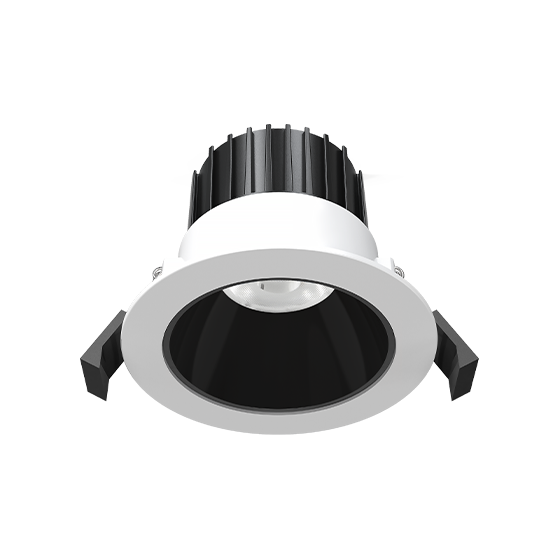
In modern exhibitions, lighting is not only to illuminate the exhibits, but also to give the exhibits vivid visual effects and enhance their attractiveness, LED downlight has become the main force in exhibition lighting due to its high efficiency, energy saving and flexible installation. However, how to choose the right LED downlight to maximize the visual effect of the exhibits is an issue that every exhibition planner needs to consider carefully.
Understanding The Basic Types Of Exhibition Display LED Downlights
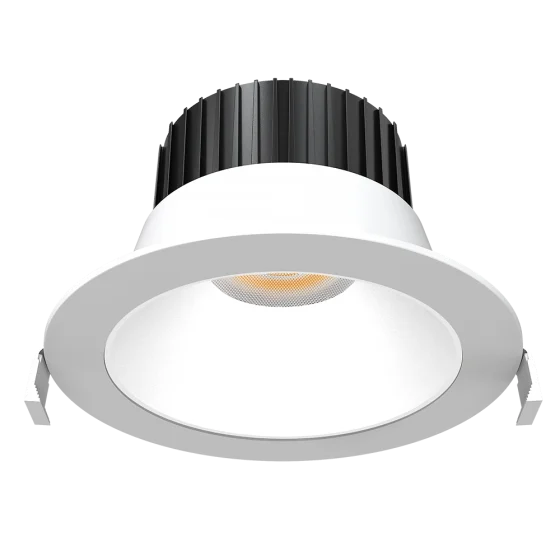
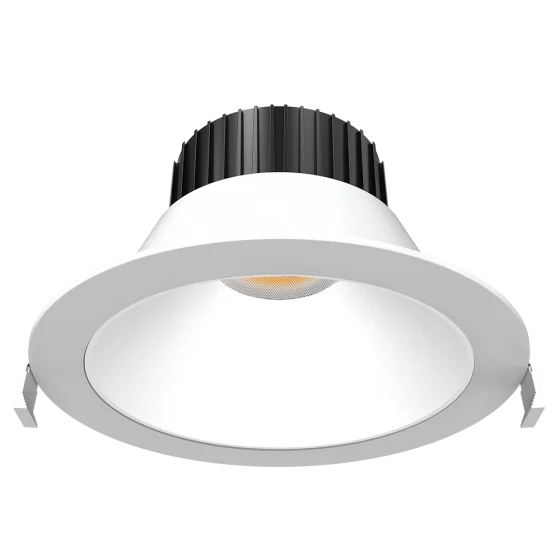
LED downlights can be categorized into a variety of types depending on their use and function. The first is the fixed LED downlight, a fixture that cannot be oriented after installation and is suitable for accent lighting in specific locations, such as artwork in display cases. These fixtures usually have a simple design and are easy to install, making them one of the most common choices.
Unlike fixed LED downlights, dimmable LED downlights have a brightness adjustment function that enables them to flexibly adjust the brightness of the light according to the needs of the exhibition site to ensure the best display of the exhibits. It is especially suitable for those scenes that need to display different exhibits at different time periods
Choosing The Right Color Temperature Of Light Source Feller Exhibits
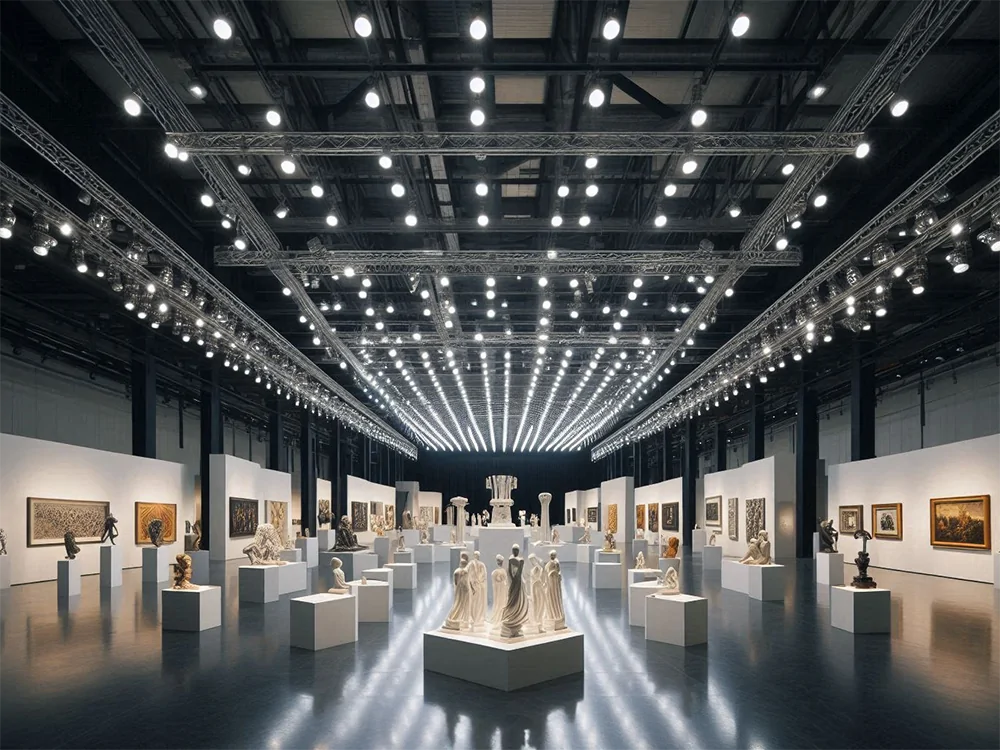
Color temperature plays a crucial role in exhibit lighting. Different color temperatures will produce very different effects on the visual presentation of exhibits. Cold light (above 5000K) is often used in technology exhibitions or displays that need to highlight precise details, and it can enhance the texture of materials such as metal and glass. Warm light (below 3000K) is more suitable for art exhibitions, especially for oil paintings and wood carvings that require soft light. Warm light can give exhibits a warmer and more intimate feeling.
| Color temperature (K) | Scene | Effect Description |
| 2700K | Heritage Exhibits, Historical Exhibits | Creating a warm, soft atmosphere |
| 3000K | Art exhibition, home display | Emphasize the natural and comfortable effect |
| 4000K | Clothing exhibition, furniture display | Realistically restore the color and texture of the items |
| 5000K | Electronic products exhibition, technology exhibits | Highlighting details and textures to provide a clear visual experience |
Choosing the right color temperature can significantly enhance the viewing effect of exhibits. When planning an exhibition, the nature of the exhibits and the visual messages you wish to convey must be fully considered in order to choose the most suitable color temperature.
Beam Angle And Light Coverage Of Lamps And Lanterns
De beam angle determines the extent of light distribution and therefore plays a decisive role in exhibition lighting design. Small beam angles (e.g. 15° or 25°) are suitable for accent lighting, which focuses light on exhibits and emphasizes their importance. Large beam angles (e.g. 60° or 90°) are suitable for general lighting, covering a large range of exhibition areas and making the light uniform throughout the exhibition area.
| Beam Angle | Applicable Scene | Lighting effect description |
| 15°-25° | Jewelry exhibition, key exhibits | Concentrated illumination, highlighting details of exhibits |
| 35°-45° | General exhibition, mixed exhibition area | Moderate coverage, balanced lighting |
| 60°-90° | Large exhibition area, panoramic display | Wide coverage to create an overall lighting atmosphere |
According to the size and layout of the exhibition space, choosing the appropriate beam angle can realize ideal light coverage, while avoiding the waste of light and the shadow problem of the exhibits.
Color Rendering Index (CRI) of LED downlights
Color Rendering Index (CRI) is an important indicator of how well a light source reproduces the color of an object. In exhibitions, LED downlights with high CRI can more realistically reproduce the colors of the exhibits, ensuring that the exhibits appear closest to the colors under natural light to the audience. Generally speaking, lamps with a color rendering index of 90 or above are considered to be a high-quality choice for exhibition lighting, especially for exhibits such as artwork and garments, which require a high degree of color reproduction.
Adjustability And Flexibility: Meeting Different Exhibition Needs
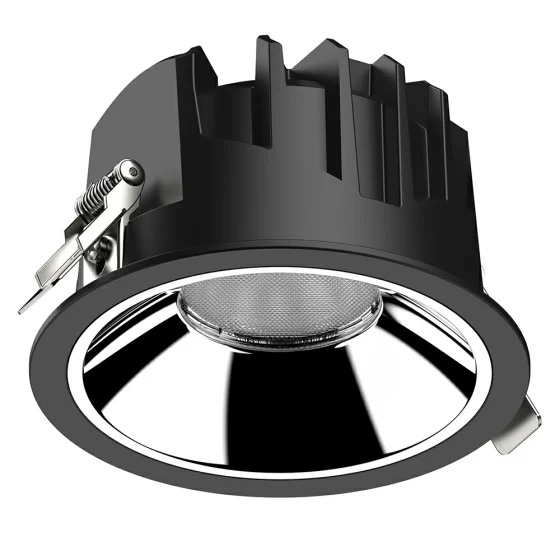
The diversity of exhibitions determines the complexity of lighting needs. The dimming function enables the LED downlight to adapt to different exhibition atmospheres, thus creating the right lighting effect for exhibits at different times. In addition, the angle-adjustable LED downlight can adjust the irradiation direction at any time according to the position of the exhibits, ensuring that the light can maximize the details and texture of the exhibits.
Energieffektivitet And Environmental Consideration
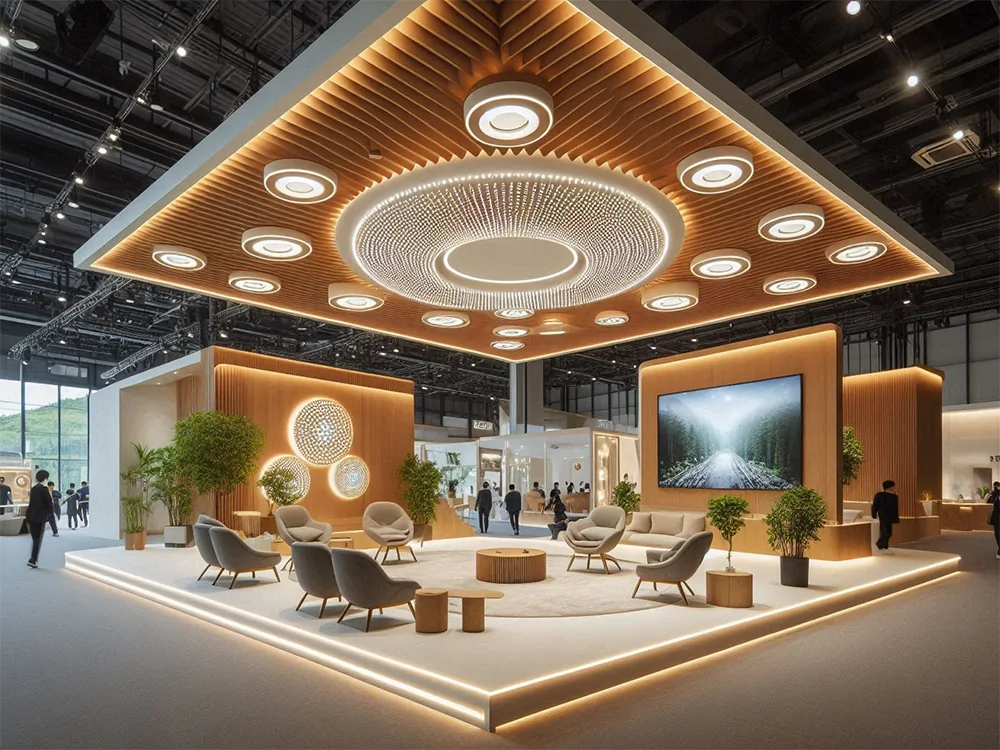
With the enhancement of environmental protection awareness, more and more exhibition planners start to pay attention to the energy efficiency of the exhibition, LED downlight has been widely used in exhibition lighting due to its high efficiency and energy saving characteristics. Compared with traditional lighting, LED fixtures not only significantly reduce energy consumption, but also have a longer service life, which makes them more cost-effective in long-term use. The use of efficient LED lighting solutions can also reduce the carbon footprint of exhibitions and promote the development of green exhibitions!
Ease Of Installation And Maintenance
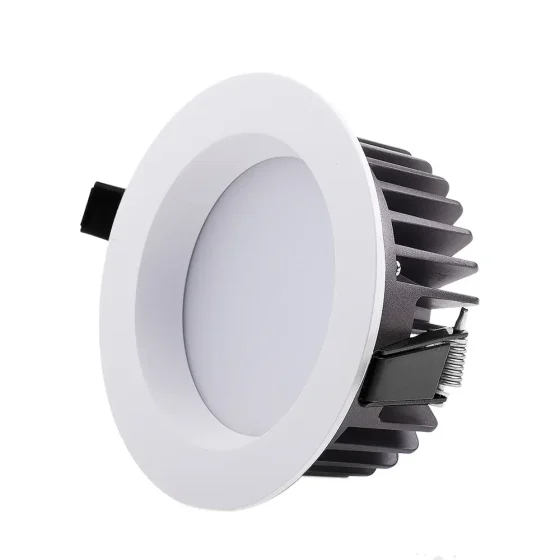
In exhibition lighting design, in addition to light efficiency and energy efficiency, the ease of installation and maintenance is equally important. Choosing LED downlights that are simple to install and easy to maintain can greatly reduce the labor and time costs of exhibition setup and operation. These luminaires are usually compact in design, with a quick installation structure and a full range of accessories for quick deployment in different exhibition environments. In addition, the high durability of LED luminaires means less maintenance and a longer lifespan, which saves a lot of maintenance costs for exhibitions!
Choosing the right LED downlight lighting is one of the keys to creating a successful exhibition. By taking an in-depth look at the different types of fixtures, choosing the right color temperature, beam angle and color rendering index, as well as considering energy efficiency and ease of installation, planners can significantly enhance the visual impact of their exhibits and create an unforgettable exhibition experience. We hope this article can provide you with practical guidance on the design of exhibition lighting solutions and help you achieve greater success in your future exhibitions.
Vanliga frågor
How To Choose Suitable Color Temperature To Display Different Types Of Exhibits?
The choice of color temperature should be decided according to the material of the exhibits and the display environment. Cool light sources (above 5000K) are suitable for highlighting details and technology, while warm light sources (below 3000K) are more suitable for presenting warm and natural effects, especially in artwork display.
How Much Does The Color Rendering Index (CRI) Affect Exhibits?
The higher the CRI, the better the color reproduction of the object by the light source. For exhibits that require accurate color reproduction, such as artwork and clothing, it is recommended to choose LED downlights with a CRI of 90 or higher to ensure consistent color performance under different lighting conditions.
What Are The Practical Applications Of Dimming Function Of LED Downlight In Exhibitions?
The dimming function can flexibly adjust the light intensity according to the specific needs of the exhibition. For example, you can reduce the light intensity to create a more dramatic atmosphere during certain special exhibition periods, or increase the light intensity on key exhibits to attract the audience’s attention.
In A Large Exhibition Space, How To Reasonably Layout LED Downlights?
In a large exhibition space, reasonable layout of LED downlights can ensure uniform light coverage. It is recommended to set primary and secondary light sources according to the importance of the exhibits and the functional partition of the space, and use downlights with adjustable angles to flexibly change the light direction and intensity to meet the needs of different exhibition areas.
What Do I Need To Pay Attention To The Installation And Maintenance Of LED Downlight?
When installing, you should make sure that the lamps and lanterns are connected to the track and power supply in a stable way, so as to avoid frequent adjustments at a later stage. For maintenance, as LED lamps have a long service life, usually only regular cleaning and checking the condition of circuit connection are needed to ensure the normal operation of the lamps.
How To Balance The Lighting Effect And Energy Efficiency Requirements In The Exhibition?
When designing a lighting scheme, you can choose energy efficient LED downlights and optimize the energy consumption of the fixtures through the dimming function. At the same time, reasonable lamp layout and beam angle setting can also reduce unnecessary energy waste and enhance the energy utilization efficiency of the whole exhibition.
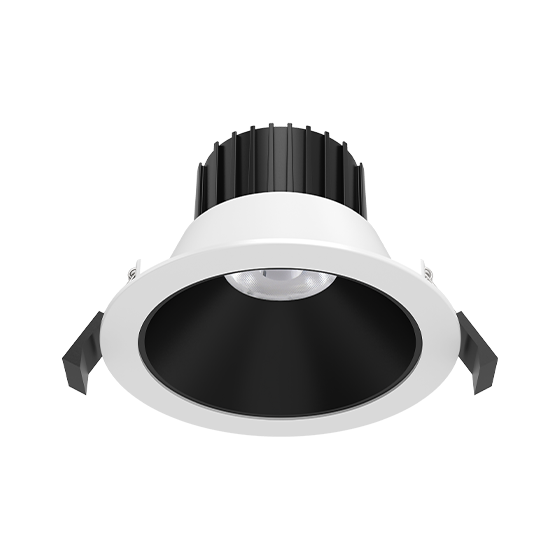


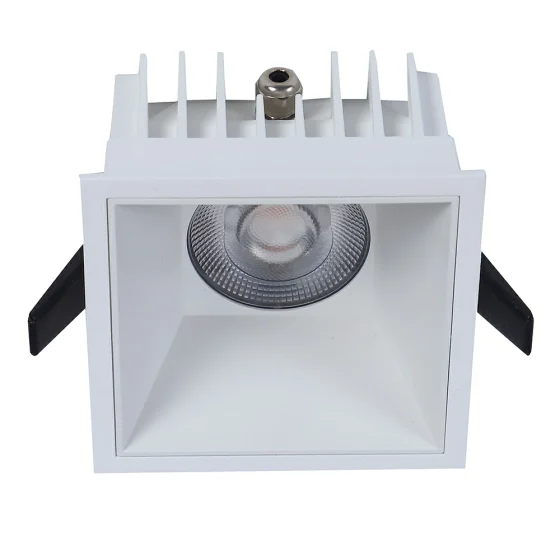


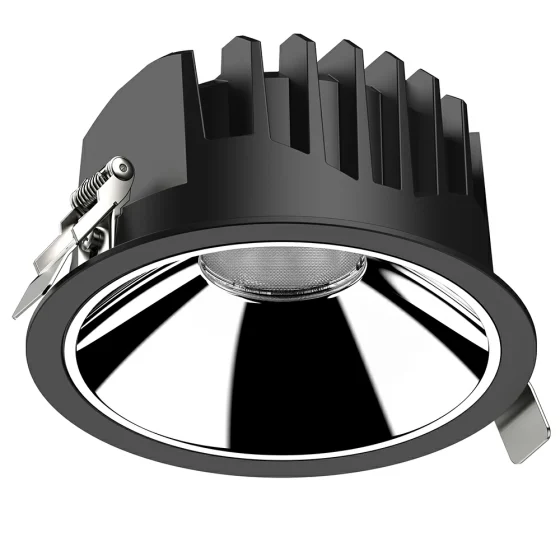
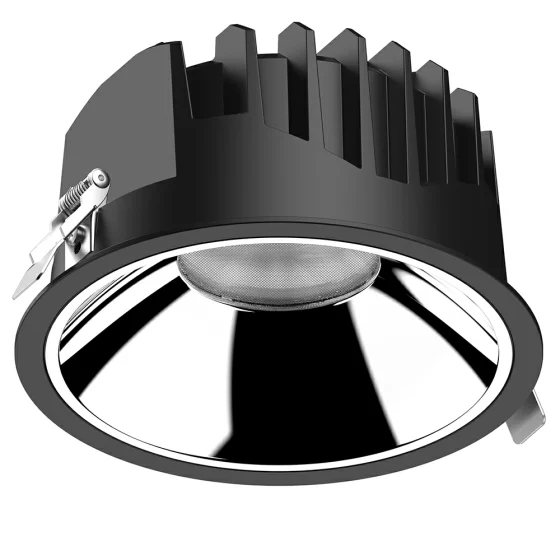
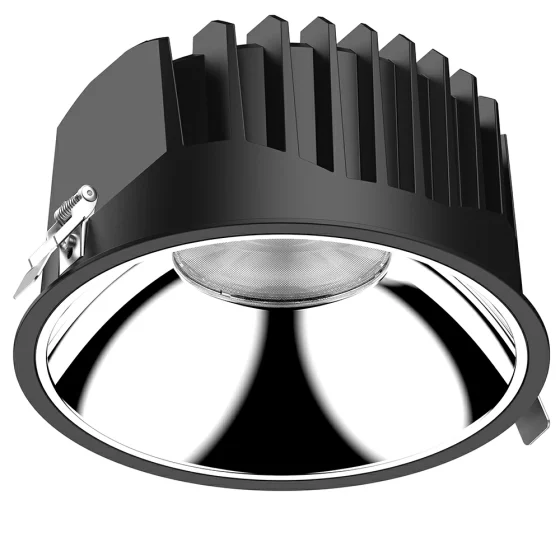

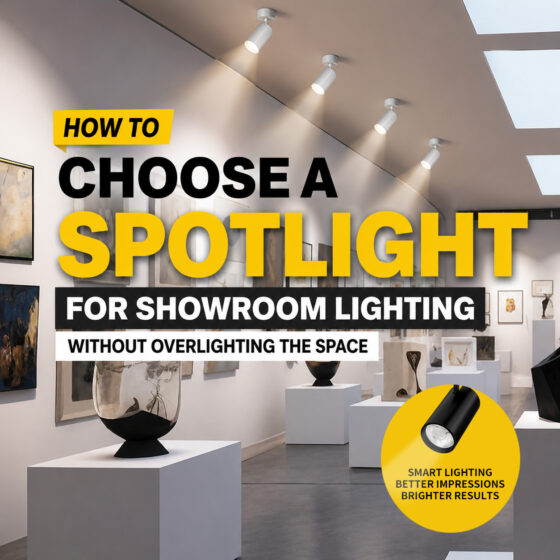
How to Choose a Spotlight for Showroom Lighting Without Overlighting the Space
A practical article on choosing the right spotlight for showroom lighting, including beam angle, colour quality, adjustability, glare control and track-mounted lighting options.
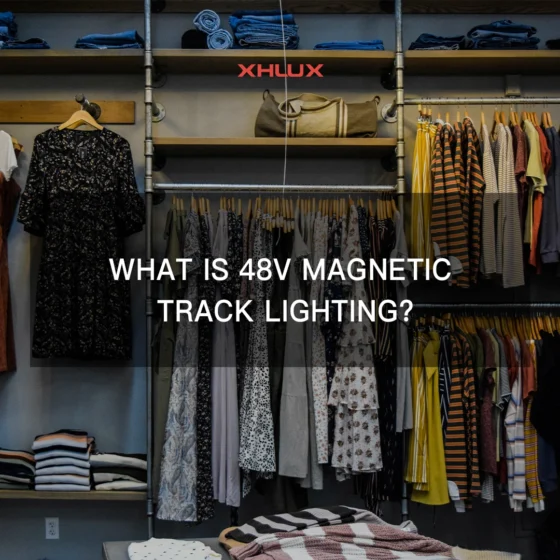
Vad är 48V magnetisk skenbelysning?
Ett lågspänningssystem där armaturer fästs magnetiskt, ompositioneras på några sekunder och fungerar säkert under SELV-tröskeln. Här är vad det innebär för kommersiella projekt.

Vad kännetecknar en pålitlig partner för kommersiella belysningsprojekt
Lär dig vad som kännetecknar en pålitlig partner för kommersiella belysningsprojekt och vilka faktorer som är viktigast när man arbetar med långsiktiga belysningsprojekt.