 XHLUX
XHLUX

Table of contents
- What Is Lighting Zoning in Retail Design?
- Why Lighting Zoning Is Important in Modern Retail Stores
- Key Elements Used in Retail Lighting Zoning
- Common Lighting Zones in Retail Store Layouts
- 📊 Retail Lighting Zoning Reference Chart
- Lighting Zoning Ideas for Modern Retail Stores
- Lighting Zoning vs Physical Zoning – Why Lighting Works Better
- Common Mistakes in Retail Lighting Zoning
- How to Design Effective Lighting Zoning for Retail Projects
- External References
- FAQ About retail lighting zoning
- Business inquiries are welcome
Modern retail stores increasingly adopt open-plan layouts. Walls are removed, sightlines are opened, and spaces are expected to change quickly with seasons, promotions, and product launches.However, this flexibility introduces a critical design and commercial challenge:
How do you clearly divide a store into functional zones without walls or partitions?
The answer is retail lighting zoning.
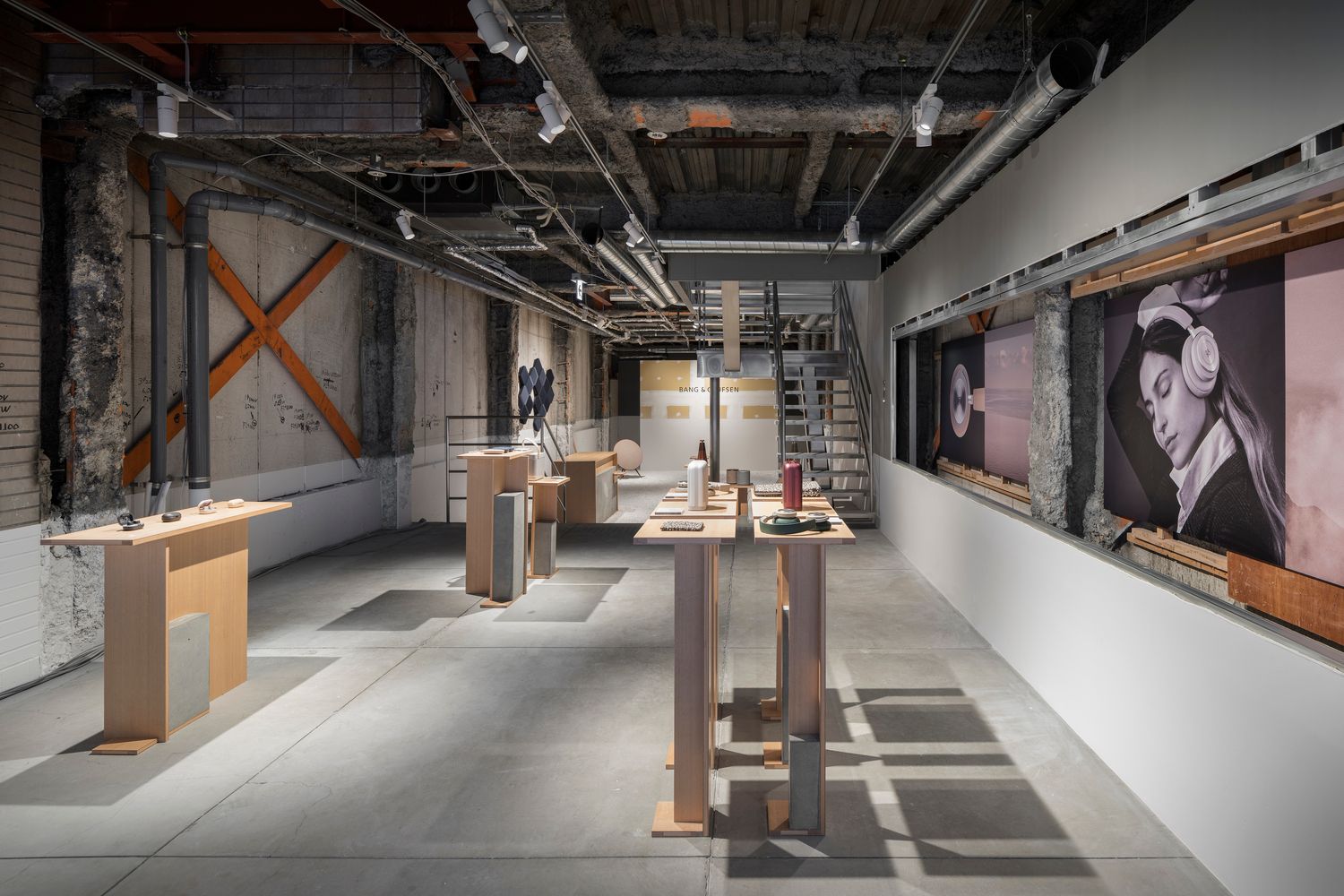
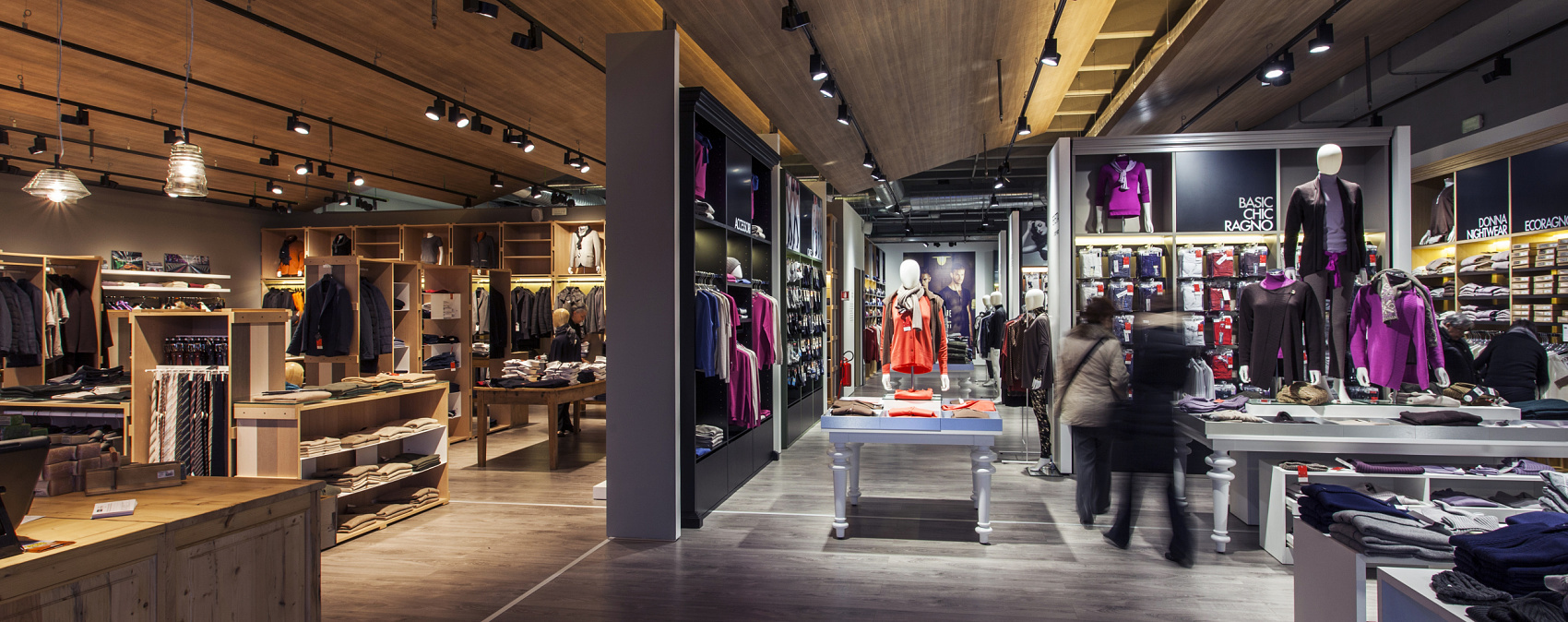
Retail lighting zoning is not decorative lighting, nor is it simply making some areas brighter than others. It is a strategic spatial planning method that uses light to define zones, guide customer movement, and support visual merchandising—while keeping the store physically open and adaptable.
This article explains retail lighting zoning as a design strategy and commercial tool, combining engineering logic, real retail layouts, and practical lighting solutions used in modern stores worldwide.
What Is Lighting Zoning in Retail Design?
Retail lighting zoning is the practice of using different lighting layers, contrasts, directions, and fixture types to visually define functional areas within a retail store—without relying on physical barriers.
Instead of walls telling customers where they are, lighting zoning allows them to understand the space instinctively:
- Where the main products are
- Where to browse
- Where to move quickly
- Where to stop and engage
In practical terms, lighting zoning is achieved by controlling:
- Illuminance levels (lux)
- Beam angles and light distribution
- Directional and vertical lighting
- The balance between ambient, accent, and linear lighting
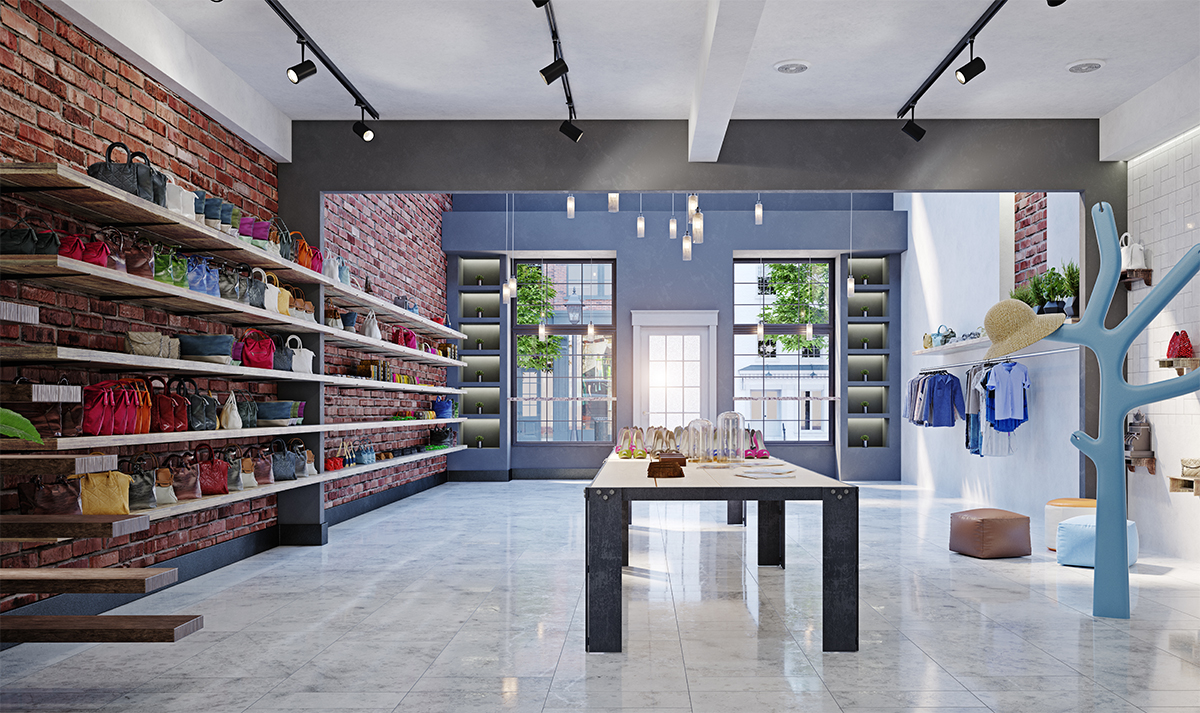
This approach is especially effective for:
- Open retail layouts
- Chain stores and franchises
- Fast-fashion and lifestyle brands
- Showrooms and brand experience stores
🎯 What is retail lighting zoning?
Retail lighting zoning is the use of lighting layers and contrast to visually define functional areas within a store.
Why Lighting Zoning Is Important in Modern Retail Stores
Guides Customer Movement Naturally
Customers are drawn to light before signage or graphics. Brighter, more focused zones naturally attract attention, while evenly lit areas encourage movement. Lighting zoning subtly guides customer flow without physical cues.
Creates Clear Visual Hierarchy
Without zoning, retail environments feel flat. Lighting zoning establishes:
- Primary zones (hero displays, promotions)
- Secondary zones (general merchandise)
- Background zones (walkways and support areas)
This hierarchy is essential for effective visual merchandising.

Enhances Product Presentation
Accent lighting with CRI ≥90 (Ra97) and controlled beam angles enhances color accuracy, texture, and perceived product quality—critical for fashion, cosmetics, and premium retail.
Supports Fast-Changing Retail Layouts
Unlike walls or fixed furniture, lighting zoning can be adjusted by:
- Re-aiming track luminaires
- Changing optics
- Reprogramming lighting scenes
🎯 Why is lighting zoning important in retail?
Lighting zoning improves navigation, visual hierarchy, and customer engagement in open retail spaces.
Key Elements Used in Retail Lighting Zoning
Lighting zoning is a system, not a single lighting decision.
Brightness Contrast Between Zones
Zoning relies on relative contrast, not maximum brightness.
- Main displays: typically 3–5× brighter than ambient lighting
- Product shelves: strong vertical illumination
- Walkways: lower, uniform brightness for comfort
The human eye reacts to contrast before detail, making brightness contrast the foundation of zoning.
Different Lighting Types for Different Functions
- Ambient lighting
Provides baseline illumination for comfort and orientation. Usually achieved with downlights or linear fixtures designed for UGR <19. - Accent lighting
Defines focal zones. Track lights with adjustable heads and beam angles between 15°–36° are the core tools for zoning. - Linear lighting
Creates visual boundaries and directional cues, often used along aisles or architectural lines.
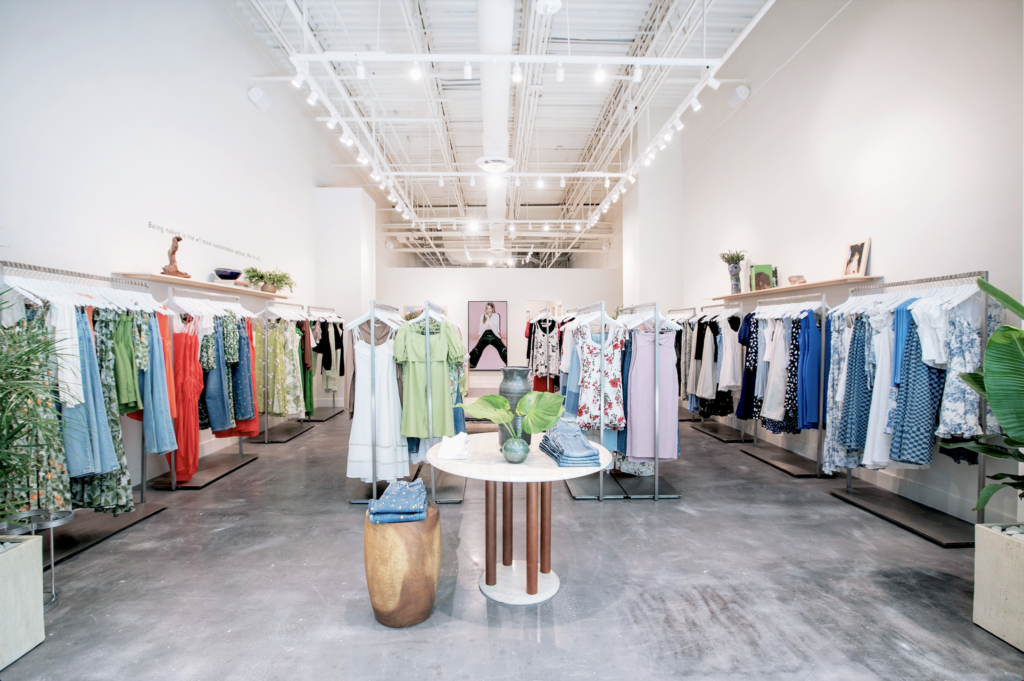
Directional Lighting and Aiming
Light direction itself communicates importance:
- Vertical lighting highlights products
- Angled beams create focus
- Wall grazing adds texture and premium perception
Adjustable luminaires significantly increase zoning flexibility over time.
Common Lighting Zones in Retail Store Layouts
Entrance and Window Display Zone
This is the visual hook.
- Highest brightness contrast
- Strong accent lighting
- Designed to attract attention and drive entry
Track-based accent systems are commonly used here due to flexibility.
Primary Product Display Zone
This is where conversion happens.
- Accent lighting dominant
- CRI ≥90 / Ra97
- Controlled beam angles (24°–36°) to avoid spill light
Circulation and Walkway Zone
- Uniform, glare-controlled lighting
- Supports movement without competing with products
Fitting Room or Experience Zone
- Soft, diffused lighting
- Accurate color rendering
- Even facial illumination to build trust
Checkout and Service Zone
- Clear task lighting
- Functional brightness
- Avoid excessive glare
📊 Retail Lighting Zoning Reference Chart
| Retail Zone | Main Lighting Type | Typical Illuminance (Lux) | Beam Angle | CRI Requirement | Zoning Purpose |
|---|---|---|---|---|---|
| Entrance & Window Display | Track Spotlights | 1500–3000 lx | 15°–24° | CRI ≥ 90 | Attract attention |
| Primary Product Display | Track + Adjustable Downlights | 800–1500 lx | 24°–36° | CRI ≥ 90 / Ra97 | Highlight merchandise |
| Secondary Display Area | Downlights | 400–600 lx | 60°–90° | CRI ≥ 80 | Support browsing |
| Circulation / Walkway | Linear / Wide Beam Downlights | 200–300 lx | Wide | CRI ≥ 80 | Comfortable navigation |
| Fitting Room | Diffused Downlights | 300–500 lx | Soft wide | CRI ≥ 90 | Natural appearance |
| Checkout / Service | Downlights + Task Lighting | 500–750 lx | Controlled | CRI ≥ 80 | Functional clarity |
This table provides engineering-level guidance that lighting designers and contractors can directly apply.
Lighting Zoning Ideas for Modern Retail Stores
Using Track Lighting to Create Flexible Zones
Track lighting allows zoning changes without ceiling reconstruction. Adjustable systems such as LED Track Lighting enable stores to adapt displays quickly.
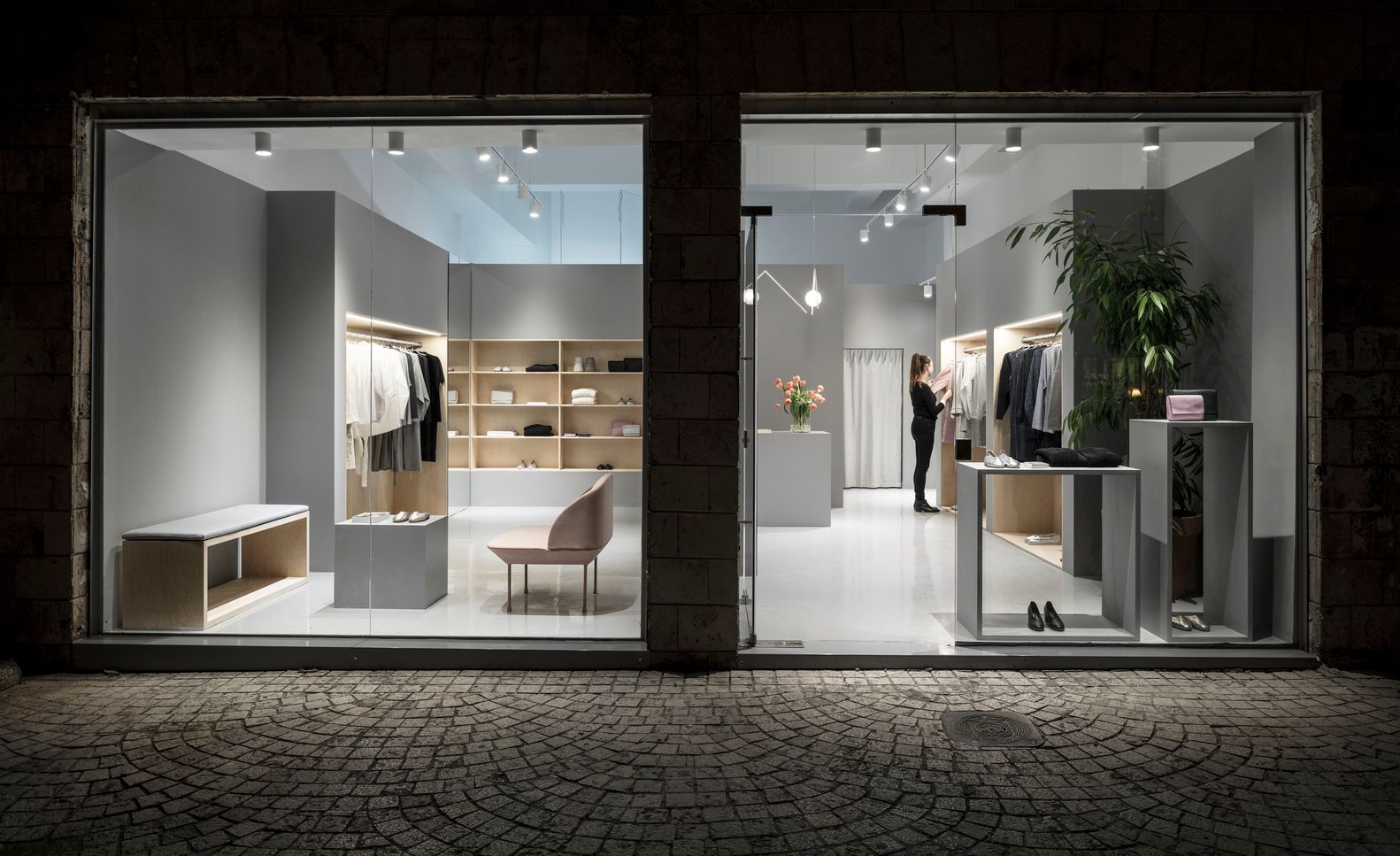
Combining Linear Lighting and Spotlights
- Linear fixtures define zone boundaries
- Spotlights define zone focal points
Many retail projects combine LED Linear Lighting with accent luminaires for both structure and emphasis.
Zoning Through Lighting Rhythm and Spacing
Changing fixture spacing creates visual rhythm:
- Dense spacing = high-priority zones
- Wider spacing = calmer areas
This technique is especially effective in large-format stores.
Lighting Zoning vs Physical Zoning – Why Lighting Works Better
📊 Comparison Table
| Criteria | Lighting Zoning | Physical Zoning |
|---|---|---|
| Flexibility | Very high | Low |
| Renovation Cost | Low | High |
| Speed of Change | Immediate | Slow |
| Seasonal Adaptability | Excellent | Poor |
| Visual Merchandising Impact | Strong | Limited |
| Suitability for Modern Retail | Ideal | Outdated |
🎯 How does lighting zoning differ from physical zoning?
Lighting zoning defines spaces visually without walls, offering greater flexibility and lower cost.
Common Mistakes in Retail Lighting Zoning
- One uniform brightness throughout the store
- Too many zones without hierarchy
- Ignoring customer sightlines
- Defining zones without focal points
🎯 What are common mistakes in retail lighting zoning?
Insufficient contrast, overcomplicated zoning, and lack of clear emphasis.
How to Design Effective Lighting Zoning for Retail Projects
Practical Checklist
- Define functional zones first
- Identify primary sales areas
- Build a comfortable ambient lighting base
- Use accent lighting to create hierarchy
- Combine track lights, downlights, and linear fixtures
- Prioritize adjustable optics
- Control glare (UGR <19)
- Maintain color consistency (SDCM <3)
In real projects, zoning-oriented layouts supported by modular systems such as LED Spot Downlights have proven effective in improving customer flow and merchandising clarity.
External References
According to the IES – Illuminating Engineering Society, vertical illumination and contrast are critical for guiding visual attention in retail spaces.
Many designers also reference EN 12464-1 for commercial lighting comfort and glare control.
Advanced zoning can be enhanced with intelligent systems compatible with the DALI Alliance.
FAQ About retail lighting zoning
Business inquiries are welcome
Retail lighting zoning is not just a design concept—it is a practical planning tool that shapes customer behavior and visual merchandising performance.
By using light instead of walls, retailers gain:
- Clear spatial organization
- Faster layout updates
- Stronger product focus
- Lower renovation costs
However, successful zoning requires aligning store layout, merchandising strategy, and lighting systems into one plan.
If you are planning or upgrading a retail project, explore how zoning strategies are applied in real environments through our Retail Lighting Solutions.
👉 Submit your floor plan or project details via our Contact & Project Submission Page
Our team will help you translate lighting zoning principles into a solution that fits your store layout, products, and long-term business goals.