 XHLUX
XHLUX

I can still provide you with a detailed, on how to Installing a drop ceiling with recessed lights can be a transformative way to enhance the aesthetics and functionality of any space. This method is particularly effective for basements, offices, and large rooms, offering both a modern, sleek look and efficient lighting. While the installation process might seem daunting, with the right tools, preparation, and guidance, you can complete the job with professional results.
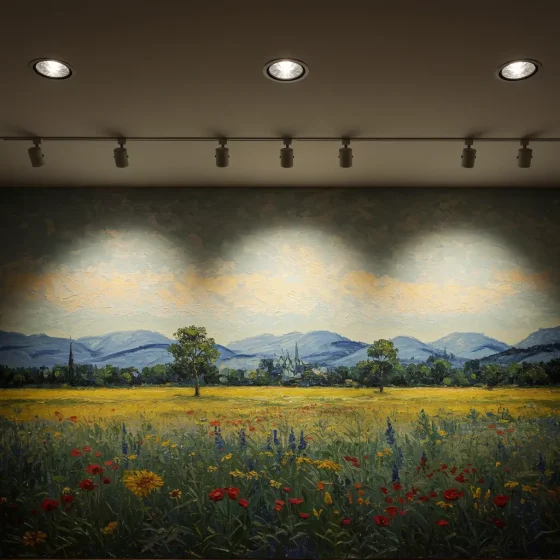
In this detailed, step-by-step guide, we’ll walk you through everything you need to know about installing a drop ceiling with recessed lights, including key materials, techniques, safety precautions, and tips for success. We’ll also integrate some valuable insights to ensure you’re making informed decisions along the way.
What You’ll Need for the Installation
Before starting, it’s essential to have all the necessary tools and materials. Here’s a breakdown of what you will need to install a drop ceiling with recessed lighting:
🛠️ Tools and Materials
- Drop Ceiling Tiles: Available in various materials like mineral fiber, PVC, or metal.
- Ceiling Grid System: This includes grid wires, cross tees, main tees, and wall angles.
- Recessed Light Fixtures: Choose fixtures that are compatible with drop ceilings and are rated for use in such installations.
- Power Tools: Electric drill, screwdriver, saw (for cutting tiles and grid), wire stripper.
- Measuring Tape and Level: For accurate placement and alignment of tiles and fixtures.
- Safety Gear: Work gloves, safety glasses, and a dust mask.
- Wiring and Junction Boxes: For electrical connections.
- Cable Clips and Connectors: To secure wiring and ensure a clean, safe installation.
Step-by-Step Guide to Installing a Drop Ceiling with Recessed Lights
1. Planning the Layout
The first step is determining the placement of both your drop ceiling tiles and recessed lights. This requires careful measurement to ensure both functionality and aesthetics.
- Space Your Recessed Lights: Typically, recessed lights should be placed around 4–6 feet apart, depending on the size of the room and the brightness you desire.
- Grid Layout: Design the grid layout by marking the locations for both the ceiling grid and recessed light fixtures. Ensure there’s enough clearance for the light housings and the required wiring.
Tip: Use a measuring tape to plan out exact distances for the drop ceiling grid system and mark the positions for the recessed lights.
2. Install the Ceiling Grid
Once the layout is planned, it’s time to install the ceiling grid system. This framework will support the drop ceiling tiles and the recessed light fixtures.
- Attach the Wall Angles: Begin by securing the wall angles around the perimeter of the room. This creates the boundary for the ceiling grid.
- Install Main Tees: The main tees form the primary structure of the grid, and they should be hung from the ceiling at equal intervals, typically about 4 feet apart.
- Add Cross Tees: The cross tees will fit perpendicular to the main tees, creating a grid pattern. Ensure the cross tees align perfectly to support the tiles and recessed light fixtures.
🔧 Pro Tip: Double-check the leveling of the grid as you go, ensuring everything is flush and secure.
3. Cutting the Ceiling Tiles
With the grid in place, it’s time to cut your drop ceiling tiles to fit the grid and accommodate the recessed light fixtures.
- Measure and Mark: Before cutting, measure the space where the recessed light will fit and mark the tiles accordingly.
- Cut the Tiles: Using a utility knife or tile cutter, carefully cut the tiles along the marked lines. Make sure the cuts are precise to avoid gaps or misalignment.
4. Install the Recessed Light Fixtures
Now that your drop ceiling grid is set up and the tiles are prepared, it’s time to install the recessed lighting fixtures.
- Mount the Light Housing: The recessed light housing should be installed into the grid, ideally hanging between the cross tees. The light housing should be secured to the grid so that it doesn’t move when the ceiling tiles are installed.
- Wiring the Lights: For each light, you will need to connect the electrical wiring. This step should be done by a qualified electrician if you’re unfamiliar with wiring.
- Place Junction Boxes: Use junction boxes for each recessed fixture to ensure proper electrical connections and avoid any potential electrical hazards.
5. Install the Ceiling Tiles and Recessed Lights
With the lights wired and the grid set, it’s time to complete the ceiling installation:
- Install Tiles: Begin by inserting the tiles into the ceiling grid, starting from the perimeter and working towards the center.
- Fit the Recessed Light Trim: After the tiles are in place, attach the trim to the recessed light fixtures to complete the look.
Tip: Ensure the tiles are snugly fit in the grid and that there are no gaps around the light fixtures.
6. Test the Lighting
Once all lights and tiles are installed, it’s time to test your recessed lighting system. Ensure all fixtures are wired correctly and are functioning properly.
- Turn on the Circuit: Once the power is back on, test each light to ensure the wiring is secure and all fixtures are working as intended.
Troubleshooting Common Issues
1. Uneven Lighting Distribution
If your lights are too dim or too bright, consider adjusting the spacing between your recessed lights. Ensure they are evenly distributed for optimal coverage.
2. Difficulty with Grid Installation
If you have trouble aligning or securing the grid, consider adjusting the wall angles or adding extra support if necessary. It’s essential to ensure that the grid system is level and properly aligned to avoid future issues.
Key Considerations and Tips
- Choose the Right Recessed Lights: Make sure the recessed light fixtures are compatible with your drop ceiling setup. Some fixtures are designed specifically for use with suspended ceilings, so verify their specifications before purchasing.
- Energy Efficiency: Opt for LED recessed lights for maximum energy efficiency. These lights use less power and have a longer lifespan compared to traditional incandescent bulbs.
- Safety First: Always work with electricity cautiously. If you’re unsure about the wiring process, consult a licensed electrician to avoid any safety hazards.
Conclusion
Installing a drop ceiling with recessed lights is an excellent way to upgrade the look and functionality of your space. By following this guide, you can achieve a sleek, modern design while ensuring safety and efficiency. Whether you’re updating an office, basement, or living room, this method offers both aesthetic appeal and practical lighting solutions.