 XHLUX
XHLUX

Inhoudsopgave
- Why It’s Important to Identify Your Track Lighting System
- Overview of Common Track Lighting Systems
- How to Tell What Type of Track Lighting You Have: Step-by-Step
- Additional Clues: Are You Using a 2-Circuit or 1-Circuit System?
- How Modern Track Lighting Has Evolved
- Common Mistakes to Avoid
- Expert Recommendations
- Conclusion: Identify Before You Modify
Understanding the specific type of track lighting installed in your space is essential when considering upgrades, replacements, or repairs. Not all track lighting systems are created equal—there are several different standards, and each has its own compatibility requirements.
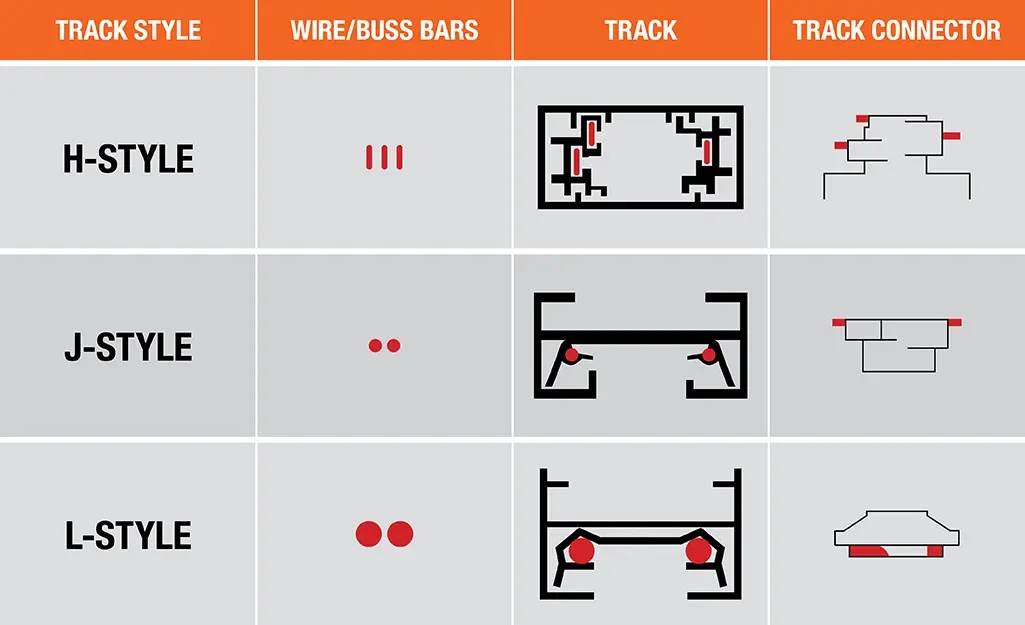
In this detailed guide, we will explore how to accurately identify the type of track lighting you have, the key differences among major systems, and why it matters for future lighting choices. This information is vital whether you’re planning to install modern track lighting solutions, switch to adjustable LED track spotlights, or simply replace a broken fixture.
Why It’s Important to Identify Your Track Lighting System
- Compatibility: Track heads and accessories must match the track system type.
- Upgrade Planning: Essential for transitioning to energy-efficient track lighting or smart controls.
- Cost Savings: Prevents purchasing incompatible fixtures or tracks.
- Future Flexibility: Choosing a widely available standard offers more design options.
According to Statista (2025), the global track lighting market is projected to grow at a CAGR of 5.1% from 2024 to 2029, driven by consumer demand for flexible, sustainable, and adjustable track spotlights (source).
Overview of Common Track Lighting Systems
There are three primary types of track lighting systems widely used today:
| System Type | Beschrijving | Common Brands |
|---|---|---|
| H-Type | Three-wire system, hot-neutral-ground configuration | Halo, Lithonia |
| J-Type | Two-wire system, wide contact spacing | Juno, Nora |
| L-Type | Two-wire system, narrower contact spacing | Lightolier, Philips |
Each system uses a different track and connector configuration, making them not cross-compatible.
How to Tell What Type of Track Lighting You Have: Step-by-Step
Step 1: Inspect the Track from Below
Use a step ladder and examine the track.
Look for the following clues:
- Shape of the Track:
- H-Type: Shaped like an “H” when viewed from the end; has three contacts inside.
- J-Type: Single busbar on one side with one grounding contact.
- L-Type: Compact design with closely spaced contacts.
Visual Tip: H-tracks often look “chunkier,” whereas J- and L-tracks are slimmer.
Step 2: Remove a Light Fixture
Take off one of the track heads to reveal the connector.
Compare it to the following:
| Connector Type | Visual Characteristics |
|---|---|
| H-Type | Three flat metal contacts; two aligned on one side, one on the other |
| J-Type | Two narrow contacts parallel along the adapter body |
| L-Type | Two contacts closer together, often asymmetrical |
If your fixture has three contacts, it is almost certainly an H-type system.
Step 3: Measure the Contacts
Use a caliper or ruler to measure the contact spacing:
| Type | Distance Between Contacts |
|---|---|
| H-Type | Approximately 1″ between contacts |
| J-Type | Approximately 1-1/8″ spacing |
| L-Type | Approximately 7/8″ spacing |
Precision here ensures you purchase compatible modern adjustable track lighting fixtures later.
Step 4: Look for Branding
Check the track and light head for any manufacturer names or logos:
- “Halo” typically indicates H-type.
- “Juno” usually points to J-type.
- “Lightolier” most often means L-type.
Modern track lighting solutions often list compatible track types in the specification sheets, so having a brand name is very helpful.
Additional Clues: Are You Using a 2-Circuit or 1-Circuit System?
Some tracks are dual-circuit (two switches control different lights), especially in commercial spaces.
- 1-Circuit Track: Only one live wire; simple control.
- 2-Circuit Track: Two live wires; complex wiring but greater flexibility.
Pro Tip: Dual-circuit tracks often have more connectors or extra switch toggles at the base of fixtures.
Knowing if your system is 1-circuit or 2-circuit matters when buying energy-efficient track lighting upgrades.
How Modern Track Lighting Has Evolved
Today’s modern track lighting solutions are vastly improved:
- Adjustable LED track spotlights reduce energy consumption by up to 80%.
- Smart track systems integrate with Google Home, Alexa, and smart apps.
- Modular designs allow users to reconfigure spaces effortlessly.
With the rise of sustainable design, energy-efficient track lighting has become a critical feature in both residential track spotlights and commercial installations.
Common Mistakes to Avoid
| Mistake | Consequence | Solution |
|---|---|---|
| Assuming all track heads fit all tracks | Buying incompatible parts | Verify track type before purchasing |
| Overloading a track | Circuit breaker trips, fire hazard | Match wattage and load ratings |
| Mixing old and new systems without adapters | Poor connection or no lighting | Use approved adaptors only |
Expert Recommendations
Lighting designers often suggest upgrading to adjustable LED track spotlights because they offer:
- Directional flexibility
- Dimmability
- Longer lifespan (up to 50,000 hours)
Architectural lighting consultant, Sarah Connors, recommends in Lighting Trends Journal (2025):
“Before any track lighting upgrade, homeowners must correctly identify their existing system to ensure compatibility and safety. Investing in adjustable, energy-efficient options significantly boosts property value and user comfort.”
Conclusion: Identify Before You Modify
Properly identifying your existing track lighting system is the cornerstone of any successful lighting project.
Whether you’re enhancing a home with residential track spotlights or upgrading a showroom with modern adjustable track lighting fixtures, knowing your track type ensures seamless upgrades and optimal performance.
Take the time to inspect, measure, and verify—your future self (and your wallet) will thank you!
✅ Next Steps:
Explore our comprehensive guides on modern track lighting solutions and energy-efficient track lighting for commercial spaces to keep your projects innovative and future-proof!