 XHLUX
XHLUX


With the continuous advancement of lighting technology, LED-downlights have become the main lighting choice in modern homes and commercial environments. Their high energy efficiency, long life and diverse dimming functions have made them popular in the market. However, in order to fully utilize the dimming effect of LED downlights and improve lighting quality and energy efficiency, we need to have an in-depth understanding of dimming technology and best practice methods
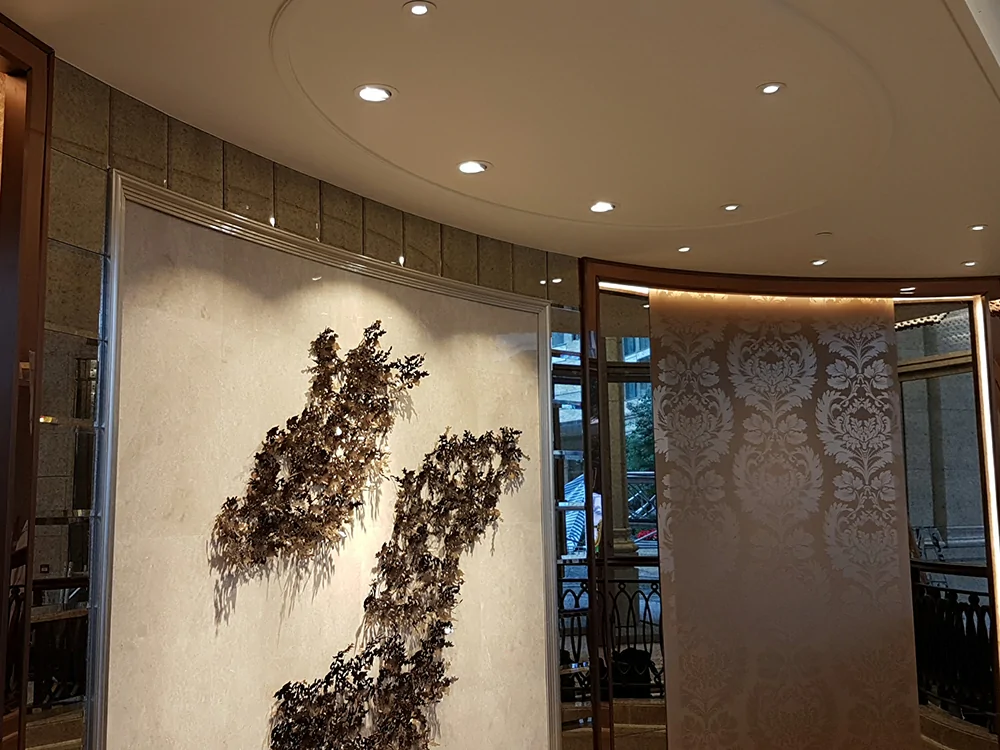
Understanding The Dimming Principle Of LED Downlights
The working principle of LED downlight
LEDs (Light Emitting Diodes) emit light through semiconductor materials. when current passes through, electrons and holes are compounded within the semiconductor, releasing photons and thus producing light. led downlights utilize this principle to convert electrical energy into light energy through the driver circuit.
Dimming Technology Overview
LED dimming relies on two main technologies: pulse width modulation (PWM) and analog dimming.
Pulse Width Modulation (PWM) Dimming
PWM dimming regulates light intensity by rapidly switching the power supply. The basic principle is to control the average current of the LED by changing the duty cycle of the current (the ratio of the energizing time to the total time), thus adjusting the brightness.The advantage of PWM dimming is that it has a wide dimming range and maintains the consistency of the color of the light, but it may cause visible flickering at low frequencies.
Analog Dimming
Analog dimming by changing the current through the LED to achieve brightness adjustment. The advantage is that the circuit is simple, smooth dimming, applicable to a variety of occasions. However, analog dimming may cause LED color shifts at very low brightness levels
Choosing The Right Dimmer
Types of Dimmers
Choosing the right dimmer is critical to achieving the desired dimming effect. Common types of dimmers include:
Wall Dimmers
Wall dimmers are mounted on the wall and adjust brightness with a knob or slider. They have the advantage of being easy to operate and are suitable for homes and small commercial premises.
Remote Control Dimmers
Remote control dimmers provide greater flexibility and convenience by controlling brightness via a remote control or mobile device, and are suitable for lighting needs in large areas.
Dimmer Compatibility
Ensuring dimmer compatibility with LED downlights is key to avoiding flickering and erratic dimming. When choosing a dimmer, check that it matches the technical parameters of the LED downlight and refer to the manufacturer’s compatibility list
Optimizing Electrical Installations
Power supply and wiring
Correct power supply and wiring installation is the basis for realizing stable dimming. It should be ensured that the power supply voltage and power are in line with the requirements of the LED downlight, and the correct wiring method should be adopted to avoid dimming failure or safety hazards caused by wiring errors.
Avoid electromagnetic interference
Electromagnetic interference will affect the dimming effect of LED downlight. Reasonable arrangement of cables, avoiding parallel wiring of power lines and signal lines, and using shielded wires or filters can effectively reduce electromagnetic interference.
Use of high quality LED downlights
High color rendering index and high brightness
Choosing LED downlights with a high color rendering index (CRI) and high brightness provides a more natural and comfortable lighting environment. A high color rendering index means that the light is able to reproduce the color of objects more realistically, improving the visual experience.
Long life and stability
High-quality LED downlights not only provide superior dimming, but also have a long lifespan and high stability, reducing maintenance costs and replacement frequency.
Adoption of Intelligent Dimming System
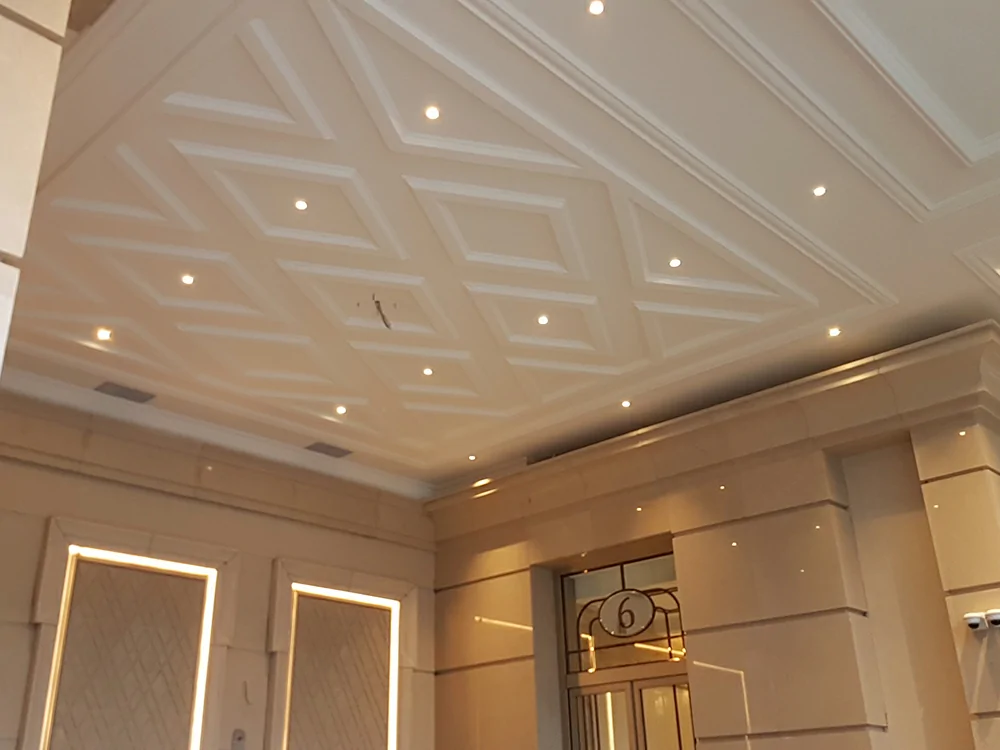
Advantages of Intelligent Dimming System
Intelligent dimming system is able to automatically adjust the lighting brightness according to different time periods and usage scenarios through wireless control, timed dimming and other functions to enhance user experience and energy efficiency. For example, intelligent dimming systems can automatically adjust indoor lighting according to changes in natural light to provide a comfortable light environment.
Common Smart Dimming Solutions
There are a variety of smart dimming solutions on the market, such as smart switches, smart sockets and smart bulbs. Users can choose the right product according to their actual needs to realize the smart dimming function s
Dimming and color temperature coordination
The influence of color temperature on dimming effect
Color temperature refers to the color temperature of the light emitted by the light source, which has an important impact on the dimming effect. Different color temperatures are suitable for different occasions, for example, high color temperature is suitable for working environment, low color temperature is suitable for living environment. In the dimming process, should ensure the appropriateness of the color temperature, in order to avoid the light is too cold or too warm, affecting the visual comfort.
Maintain consistent color temperature during dimming
During the dimming process, suitable dimming technology and equipment should be used to ensure that the color temperature remains consistent when the brightness changes. This can be achieved by choosing LED downlights with constant color temperature technology or by using dimmers with color temperature adjustment function to
Improving the dimming effect of LED downlights requires a multi-faceted approach, including understanding the principles of dimming, choosing the right dimmer, optimizing electrical installation, using high-quality LED downlights, adopting an intelligent dimming system, coordinating dimming with color temperature, and solving common problems. Through these measures, you can significantly improve the dimming effect and create a more comfortable and efficient lighting environment. We hope that the suggestions provided in this article can help you in the actual application, so that you can fully enjoy the quality lighting experience brought by LED downlights!
Veelgestelde vragen
Dimmer Heating
Dimmer heating is caused by prolonged operation or overload. Solutions include:
- Ensure that the dimmer’s operating current is within safe limits
- provide good ventilation and heat dissipation conditions
Dimmer incompatibility with LED downlights
Incompatible dimmers can result in poor or no dimming. Solutions include:
- replacing the dimmer with one that is compatible with LED downlights
- Check the compatibility list provided by the manufacturer
Difficulty synchronizing multiple lights for dimming
Difficulty synchronizing multiple lamps for dimming is caused by inconsistent dimmer output signals or different fixture characteristics. Solutions include:
- Use dimmers designed for multi-lamp synchronized dimming
Ensuring that all fixtures have the same dimming characteristics






What is 48V Magnetic Track Lighting?
A low-voltage system where fixtures attach magnetically, reposition in seconds, and operate safely below the SELV threshold. Here is what that means for commercial projects.

What Makes a Reliable Commercial Lighting Project Partner
Learn what makes a reliable commercial lighting project partner and which factors matter most when working on long-term lighting projects.
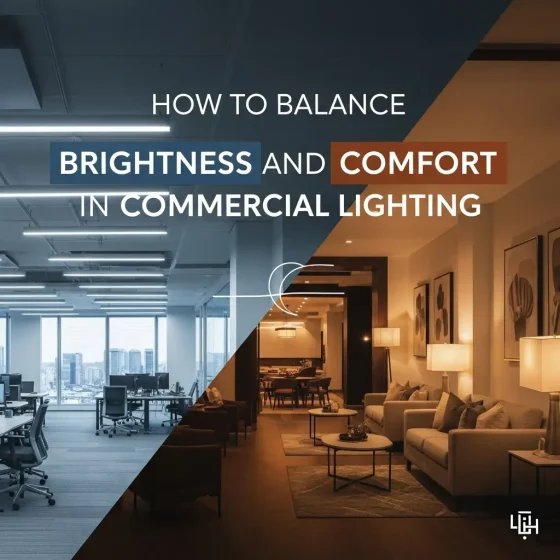
How to Balance Brightness and Comfort in Commercial Lighting
This article explains how to balance brightness and visual comfort in commercial lighting to achieve both functional and comfortable environments.