 XHLUX
XHLUX

Inhoudsopgave
- Understanding the Core Components of Track Lighting Costs
- Key Factors That Influence Track Lighting Installation Price
- Estimated Average Track Lighting Installation Costs: A General Range
- DIY vs. Professional Installation: Weighing Costs and Risks
- Budgeting Tips and Maximizing Value
- Market Trends and Long-Term Considerations
- Conclusion: Lighting Your Way Forward
Track lighting offers unparalleled versatility and a modern aesthetic, allowing precise control over how you illuminate your space. Whether highlighting cherished artwork, providing focused task lighting in a kitchen, or creating dramatic accents in a living area, its adaptability makes it a top choice for many renovation and design projects.
However, the path to beautifully lit spaces often brings a crucial question: how much does it cost to install track lighting? Unlike buying a standard fixture, a track lighting system involves multiple components and installation complexities that make a single price estimate impossible. Navigating the track lighting installation cost requires understanding the different factors at play.
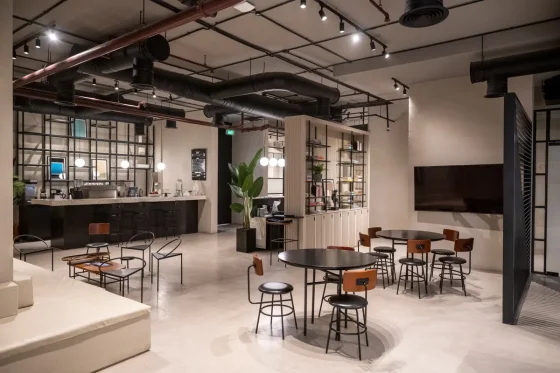
This guide is designed to provide you with the detailed, expert-level information you need. Drawing on our experience and knowledge within the lighting and home improvement sectors, we’ll break down the costs, explore the variables that influence the final price, offer insights into budgeting for a track lighting system upgrade, and help you determine the average cost range for installing track lighting for your specific project. Our goal is to empower you with the knowledge to plan confidently and ensure a safe, effective installation.
Understanding the Core Components of Track Lighting Costs
The total investment for installing track lighting can be effectively categorized into two primary areas: the cost of the system’s materials and the cost of the labor required for installation.
Material Costs: Selecting Your Track Lighting System
The expense of the physical track lighting components is highly variable. It’s influenced by the system type, material quality, brand reputation, and the size and complexity of your desired setup. Key materials include:
Track Sections: These are the linear or flexible rails that provide power and structure. They come in standard lengths and finishes.
- Cost Factor: Type (line voltage, low voltage, flexible) significantly impacts price per foot.
- Typical Range: $10 – $50+ per foot.
Track Heads (Fixtures): These are the individual light units that attach to the track.
- Cost Factor: Style, design, lamp type (LED vs. Halogen), features (dimmable, adjustable beam), and brand are major price drivers. Integrated LED heads often have a higher initial cost but offer long-term energy savings.
- Typical Range: $20 – $200+ per head.
Connectors and Power Feeds: Necessary to assemble track sections into the desired layout and connect the system to your home’s electrical supply.
- Cost Factor: Complexity (L, T, X shapes) and system type.
- Typical Range: $10 – $50+ per piece.
Bulbs (Lamps): Required if your heads don’t have integrated LEDs.
- Cost Factor: LED bulbs are more expensive upfront but save significantly on energy and replacement costs over time.
- Typical Range (LED): $5 – $25+ per bulb.
Dimmer Switches (Optional): For light level control.
- Cost Factor: Standard vs. smart or specialized dimmer.
- Typical Range: $20 – $100+.
Labor Costs: The Investment in Professional Expertise
Unless you are a qualified and licensed electrician, hiring a professional for the installation is essential for safety, compliance, and proper function. The track lighting electrician cost will depend on several factors:
- Electrician’s Hourly Rate: Varies significantly by location and the electrician’s experience/licensing.
- Typical Range: $75 – $200+ per hour.
- Complexity of the Installation: Simple replacement vs. new wiring, ceiling type, and layout complexity directly impact the time required.
- Time Required: Directly translates to labor cost. A straightforward installation might take 2-4 hours, while a complex one could take 6+ hours.
Key Factors That Influence Track Lighting Installation Price
Beyond the basic material and labor rates, several specific conditions of your project will heavily dictate the final track lighting price:
Existing Electrical Infrastructure
This is often the most significant variable affecting labor cost. Is there an existing junction box where you want to install the track?
- Presence of Junction Box: If you’re replacing an old fixture or have a conveniently located box, the electrician can tap into existing wiring. This is the most straightforward and least expensive scenario.
- Need for New Wiring/Circuit: Installing track lighting where no power source exists requires running new wires from the electrical panel, potentially installing a new circuit breaker, and creating a new junction box. This adds substantial labor time, complexity, and material costs (wire, conduit, breaker).
Layout Complexity and Size
The design you envision impacts both material needs and installation time.
- Simple vs. Complex: A single straight run of track is easiest. Layouts requiring multiple connections (L, T, X shapes) or flexible track take more time and specialized connectors.
- System Size: Longer tracks and a higher number of heads mean more materials and potentially more installation time for placement and aiming.
Ceiling Type and Accessibility
The material and structure of your ceiling affect the ease and method of installation.
- Material: Drywall is generally easiest to work with. Plaster can be brittle, and concrete requires specialized tools (hammer drills) and potentially surface-mounted wiring solutions, significantly increasing labor and material costs.
- Accessibility: Installing on a standard-height flat ceiling is simpler than working on vaulted ceilings (requiring taller ladders or scaffolding) or in spaces without easy attic access (making running new wires more challenging).
Material Quality and Brand Choice
The decision between budget-friendly or premium track lighting systems has a direct impact on material costs. High-end designer brands often use more durable materials, offer refined aesthetics, and may incorporate advanced features, justifying their higher price point.
Geographic Location
The cost of living and average wage rates in your specific region directly influence the hourly rates charged by licensed electricians. Installation costs will generally be higher in metropolitan areas compared to rural ones.
Permits and Inspections
Depending on local building codes, electrical work may require obtaining permits and undergoing inspections. These add administrative costs and potential scheduling considerations to the project timeline and budget. A reputable electrician will be knowledgeable about local requirements.
Estimated Average Track Lighting Installation Costs: A General Range
Providing precise figures without knowing your specific project details is impossible. However, based on the factors discussed, here are some illustrative average cost ranges. Remember, these are estimates only and should be used for preliminary budgeting, not as final quotes.
| Project Scenario | Estimated Material Costs | Estimated Labor Costs | Estimated Total Cost Range | Key Considerations |
|---|---|---|---|---|
| Small, Simple Setup (e.g., 8ft track, 3-4 heads) | $150 – $400 | $200 – $400 | $350 – $800 | Assumes existing junction box, easy ceiling access, standard materials. |
| Medium Setup (e.g., 15ft track, L-shape, 5-8 heads) | $400 – $1000 | $400 – $800 | $800 – $1800 | Assumes existing junction box, standard materials, slightly more complex layout. |
| Large or Complex Setup (e.g., >20ft, T/X-shape, 10+ heads) | $800 – $2500+ | $700 – $1500+ | $1500 – $4000+ | May require new circuit, complex wiring, challenging ceiling, premium materials. |
These ranges typically cover the standard installation labor for mounting the track, making electrical connections, and attaching/aiming heads. They may not include costs for patching drywall or extensive ceiling repair if required.
DIY vs. Professional Installation: Weighing Costs and Risks
One common question is whether a skilled homeowner can tackle track lighting installation themselves to reduce costs. Comparing DIY vs professional track lighting installation costs highlights a clear financial difference, but it’s crucial to consider the safety implications.
DIY Installation
- Potential Savings: Eliminates labor costs, saving potentially 50% or more of the total project expense.
- Requirements: Requires a solid understanding of household electrical systems, comfort working with tools, adherence to electrical codes, and proper safety precautions (turning off power at the breaker, using voltage testers). May require pulling a permit depending on local regulations.
- Risks: Electrical work is inherently dangerous. Improper wiring can lead to severe electric shock, arc faults, system damage, and even fires. Mistakes can be costly to fix and may void insurance or future home inspection approvals.
Professional Installation
- Higher Upfront Cost: You pay for the electrician’s hourly rate and expertise.
- Benefits: Safety is paramount. Licensed electricians have the training and experience to perform the work correctly and safely according to national and local codes. They carry insurance, can troubleshoot unforeseen issues, and their work is typically warrantied. This ensures reliability and peace of mind.
Expert Recommendation:
From an Expertise En Trustworthiness standpoint, our strong recommendation aligns with that of industry professionals: professional track lighting installation is highly advisable, especially for any project involving new wiring, circuit modifications, or complex layouts. While the track lighting electrician cost is an investment, it’s an investment in the safety of your home and family, and the long-term reliability of your lighting system. For a simple replacement of an existing fixture with a basic track section, a highly experienced and cautious DIYer might attempt it, but understanding the risks and knowing when to call a professional is critical.
Budgeting Tips and Maximizing Value
Effectively managing the track lighting installation cost involves smart planning and informed decisions:
- Detailed Planning is Crucial: Map out your desired layout precisely. Know the lengths of track needed, the types and number of connectors, and the exact quantity and type of heads you want. This prevents over-ordering materials and helps electricians provide accurate quotes.
- Get Multiple, Detailed Quotes: Don’t settle for the first estimate. Contact at least three licensed electricians. Ensure their quotes are itemized, separating labor and materials, and clearly stating what is included (e.g., permit fees, cleanup). This is the best way to understand how much does track lighting installation cost specifically for your project.
- Balance Material Cost and Quality: While budget materials are tempting, very cheap track systems or heads might be less durable, have poor connections, or offer inferior light quality. Read reviews and research brands. Sometimes paying a little more upfront for quality prevents issues later.
- Prioritize Energy Efficiency: Choosing LED track heads or bulbs has a higher initial material cost but dramatically lowers your electricity bills over the system’s lifespan and reduces the frequency of bulb replacements. Factor in these long-term savings when considering the total track lighting price.
- Assess Your Electrical Panel: An electrician can confirm if your current electrical panel has sufficient capacity and available breakers for a new lighting circuit if needed. Addressing this upfront avoids surprises.
Market Trends and Long-Term Considerations
The track lighting market is dynamic. The transition to LED technology is almost complete, offering greater efficiency and lifespan than traditional halogen. This trend means while the initial material cost might be slightly higher for integrated LED fixtures, the operational cost is significantly lower. The integration of smart home capabilities (allowing app or voice control) is also a growing trend, adding convenience and functionality, though typically at a higher upfront material cost. Considering these trends can impact both your initial budget and the long-term value and functionality of your system.
Conclusion: Lighting Your Way Forward
Determining the precise cost to install track lighting involves more than just looking up average figures. It’s a function of your system’s design, the materials you choose, the existing electrical conditions of your home, and the labor rates in your area.
While the numbers can vary widely, ranging from a few hundred dollars for a simple setup to several thousand for a large, complex, or high-end system, understanding the factors we’ve discussed provides the clarity needed for effective planning.
Prioritizing safety and compliance, professional installation by a licensed electrician is a critical investment that ensures your track lighting system is installed correctly, reliably, and without posing a hazard. By getting multiple quotes, carefully selecting your materials based on a balance of cost and quality, and considering long-term energy savings, you can confidently budget for your project and enjoy the enhanced illumination and aesthetic appeal that track lighting brings to your space.
Don’t let cost uncertainty leave your project in the dark. Use this guide to illuminate your planning process and achieve the perfect lighting setup.